GENTLE CLIMBERS
Rat snakes and corn snakes are often misunderstood, yet they’re among the most beneficial reptiles in our environment. These nonvenomous constrictors help control rodent populations, supporting balance in both wild spaces and around our homes.
Despite their intimidating name, they are harmless to people and more likely to flee than fight. Skilled climbers and adaptable hunters, their presence is a quiet sign of a healthy habitat.
WHAT’S THE DIFFERENCE
At first glance, rat snakes and corn snakes can look similar—and that’s because they’re closely related. In fact, corn snakes are a type of rat snake within the same genus (Pantherophis).
Rat snakes: Usually black/dark, larger, and strong climbers (trees, barns).
Corn snakes: Bright orange/red with bold patterns, smaller. They can climb, but are most often found on the ground (fields, edges).
Either way, you’re looking at a helpful, harmless neighbor doing important work.
between a rat snake and a corn snake?
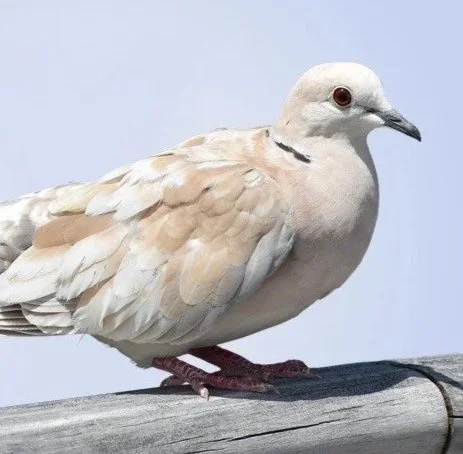
COMMON COLUMBIDAE
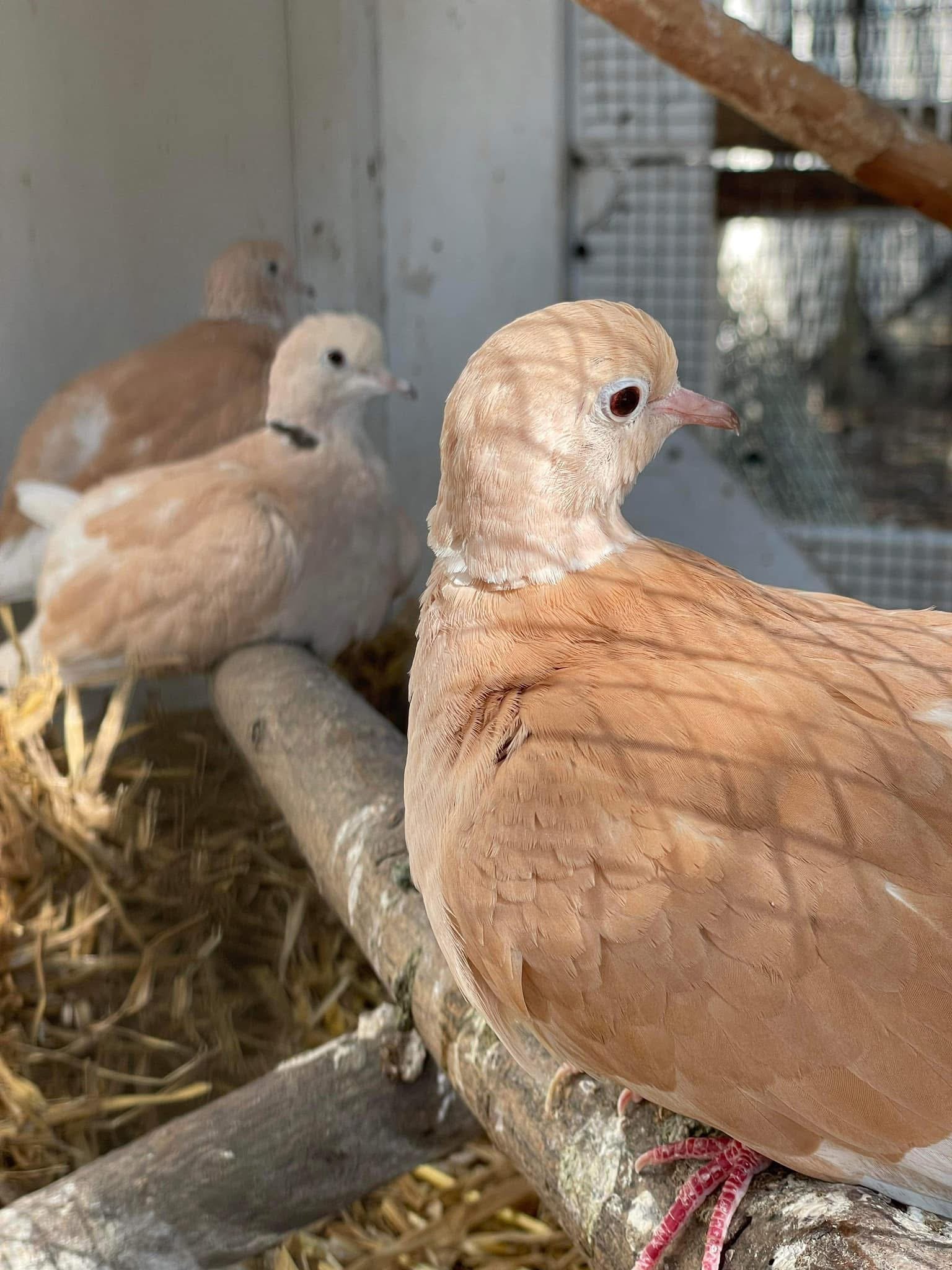
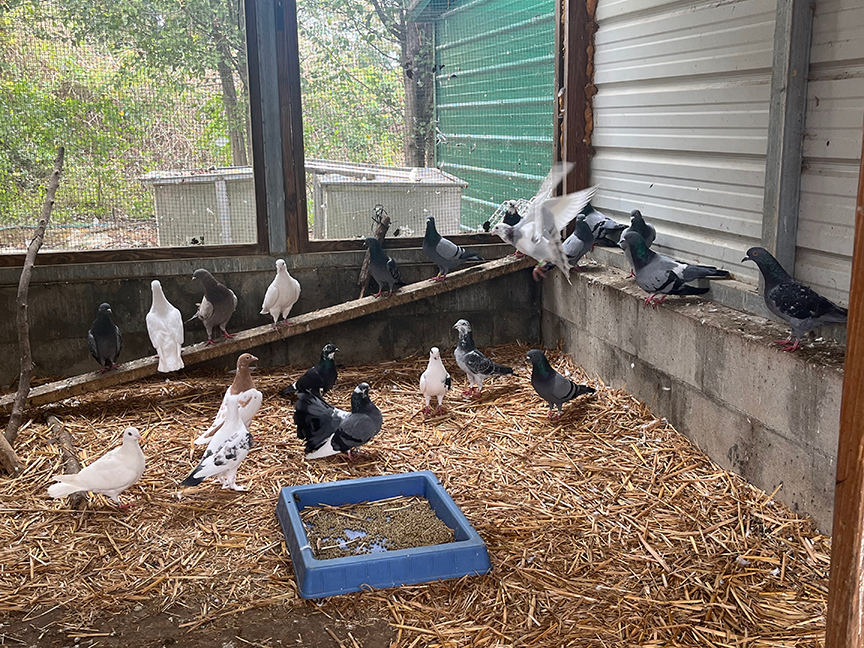
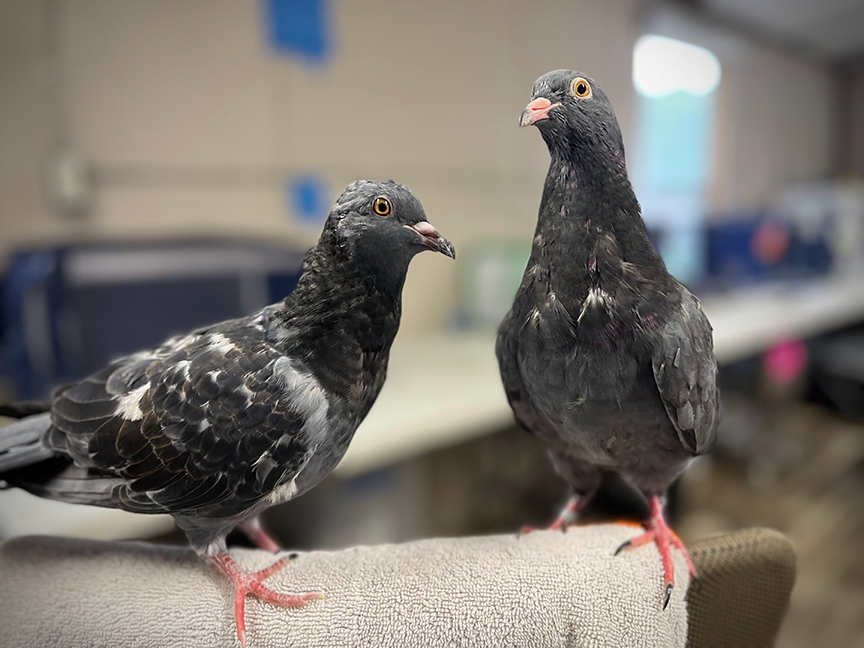
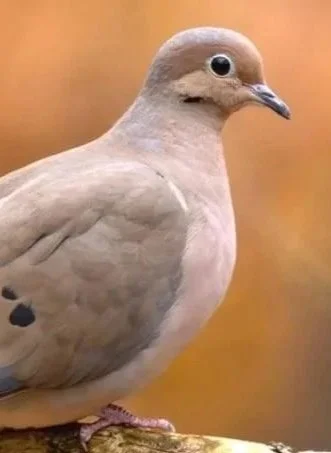
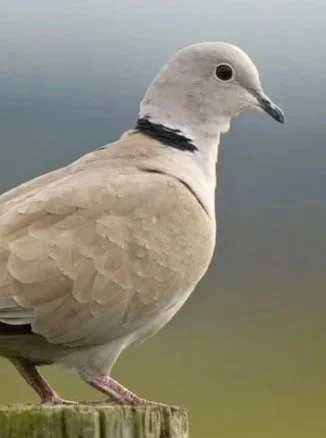
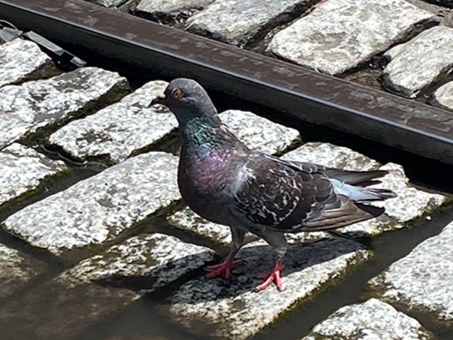
Several species of doves and pigeons are commonly seen across North America. The two most familiar are the Rock Dove—often called the city pigeon—and the Mourning Dove, a native species known for its soft coloring and gentle call.
Also known as the black rat snake, this species is common in the southeastern United States. Adults are glossy black with a white chin, while juveniles are gray with darker blotches. Excellent climbers, they’re often found in trees or rafters hunting rodents, birds, and eggs.
EASTERN RAT SNAKE
(Pantherophis alleghaniensis)
Slightly paler, more muted colors than southern variants, with the same saddle pattern. Found in mid-Atlantic states, they are calm, adaptable, and effective hunters of small rodents.
northern
CORN SNAKE
(Pantherophis guttatus)
Closely related to the eastern rat snake, gray rat snakes are masters of camouflage. Their patterned bodies blend seamlessly with tree bark, making them difficult to spot. They are agile climbers and play an important role in keeping small animal populations in check.
GRAY RAT SNAKE
Pantherophis spiloides)
Vibrant orange, red, or copper with bold black-outlined saddle markings. Found in fields, forests, and near farms, this gentle, ground-dwelling snake helps control rodents and is often used in educational programs.
SOUTHERN
CORN SNAKE
(Pantherophis guttatus)
FACT OR FICTION?
-
FICTION. Rat snakes and corn snakes are nonvenomous and pose no threat to humans. Their first instinct is always to escape.
-
FICTION. These snakes may move quickly when startled, but it’s almost always toward safety—not toward people.
-
FICTION. It’s actually helping you. These snakes are natural rodent control, reducing mice and rats around homes, barns, and feed areas.
-
FACT (sort of.) They can climb and may enter structures while hunting prey—but they are following food sources, not seeking people. Addressing rodent activity usually resolves the issue.
-
FICTION. Removing these snakes can actually increase rodent populations, which can bring disease and property damage.
Wild rat snakes and corn snakes should be left in their natural habitats, where they play a vital role in the ecosystem. Only domestically bred snakes, or those that are unreleasable due to injury or other factors, should be kept in captivity. These snakes thrive in secure enclosures with proper heating and diet, and their calm, low-maintenance nature makes them excellent educational ambassadors and fascinating pets.
KEEPING RAT OR CORN SNAKES
WHY EDUCATION MATTERS.
Rat snakes and corn snakes are quiet protectors of balance in our ecosystems. By controlling populations of mice and rats, they help reduce the spread of disease, prevent damage to homes and wiring, and protect crops and stored feed. Keeping these populations in check also lessens the need for poisons and traps, which can harm other wildlife.
Beyond their role as hunters, these snakes are an important part of the food web, serving as prey for hawks, owls, and other animals, supporting a much larger ecosystem. Most importantly, they remind us that not everything unfamiliar is dangerous—sometimes, it’s essential.