QUIET NEIGHBORS
Many snakes you see around homes, gardens, and yards are harmless, beneficial, and part of a balanced ecosystem. While their appearance can startle, these nonvenomous species help control pests and keep nature in check. Learning to identify them helps you coexist safely and respectfully.
COMMON BACKYARD SNAKES
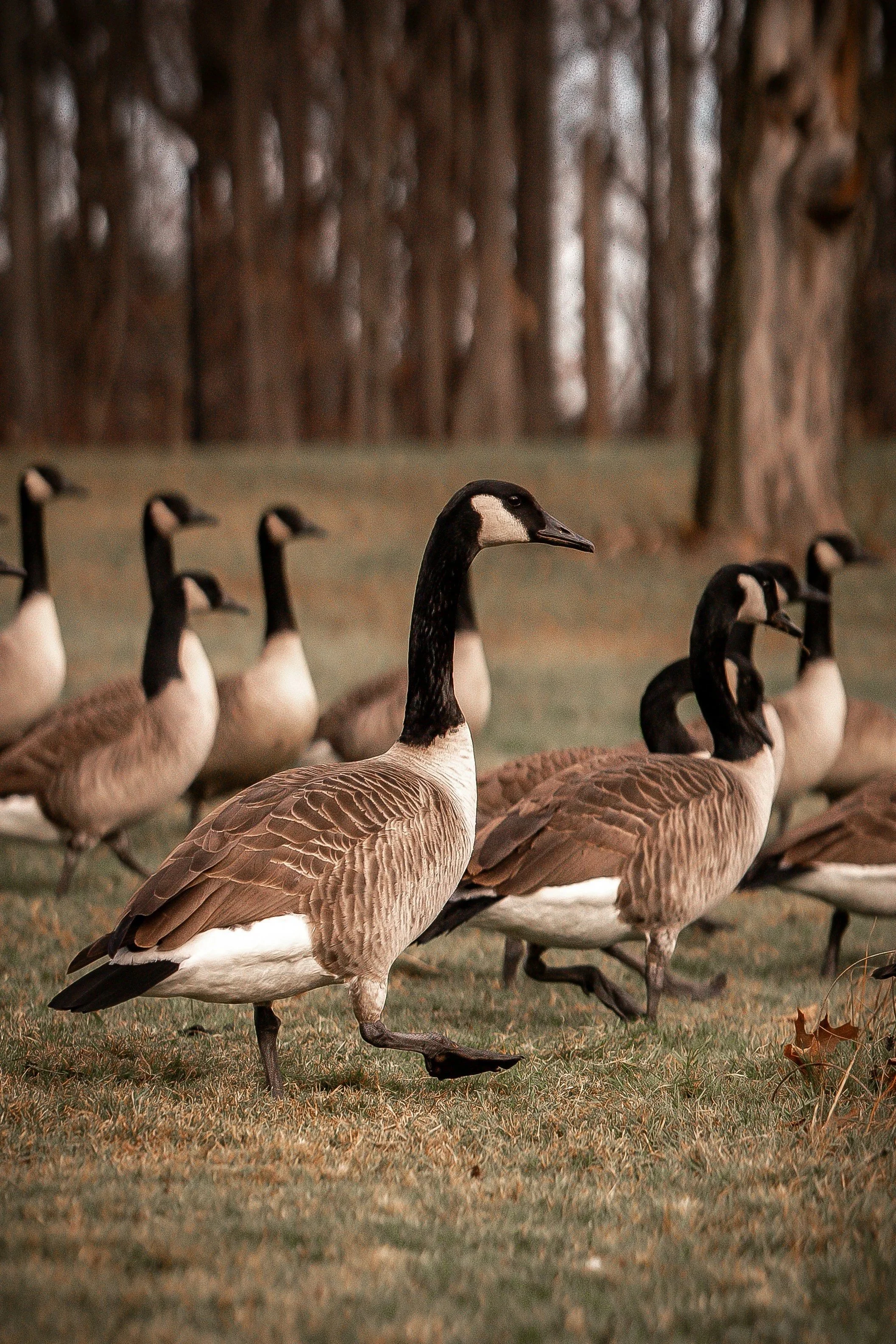
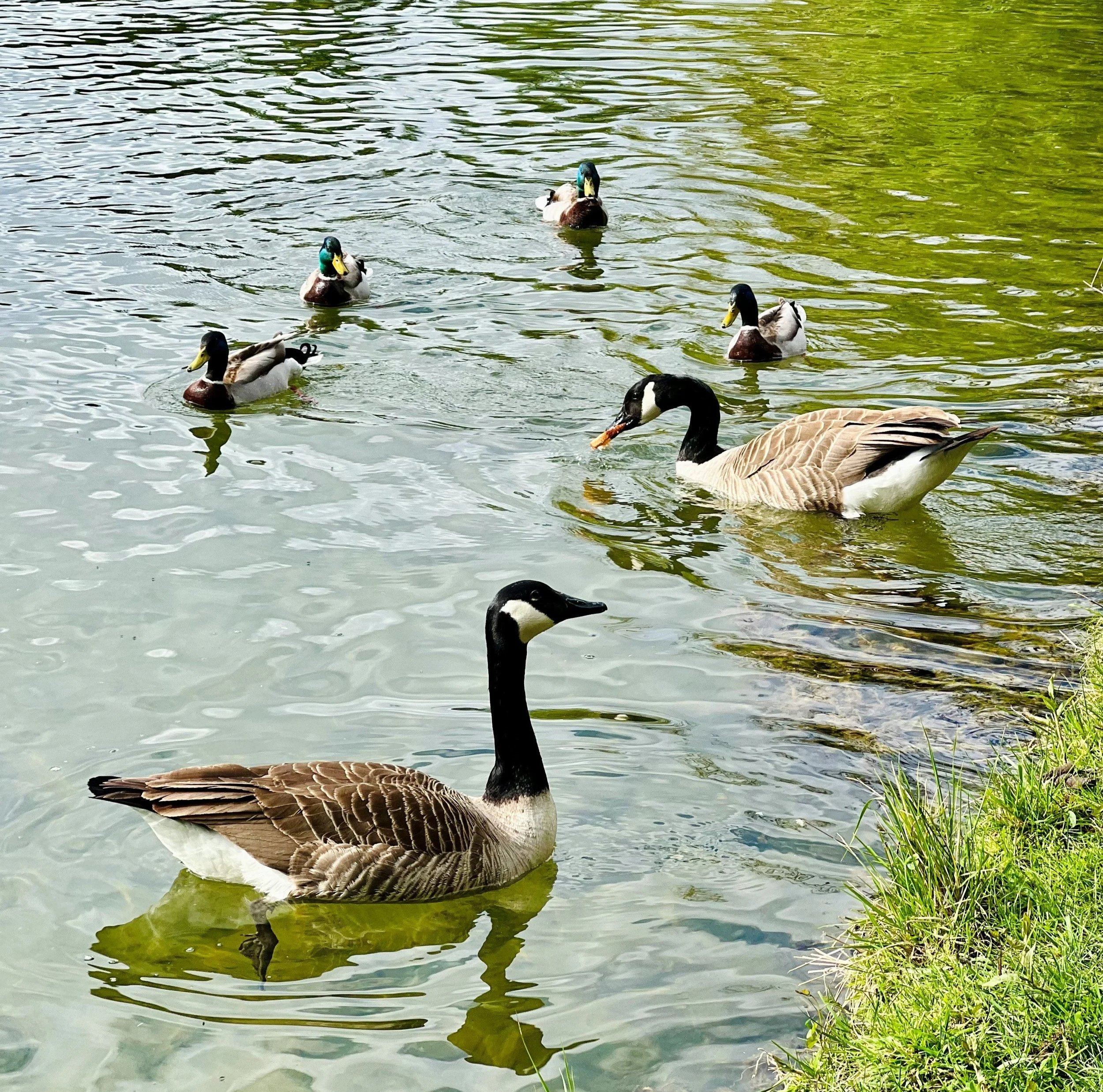
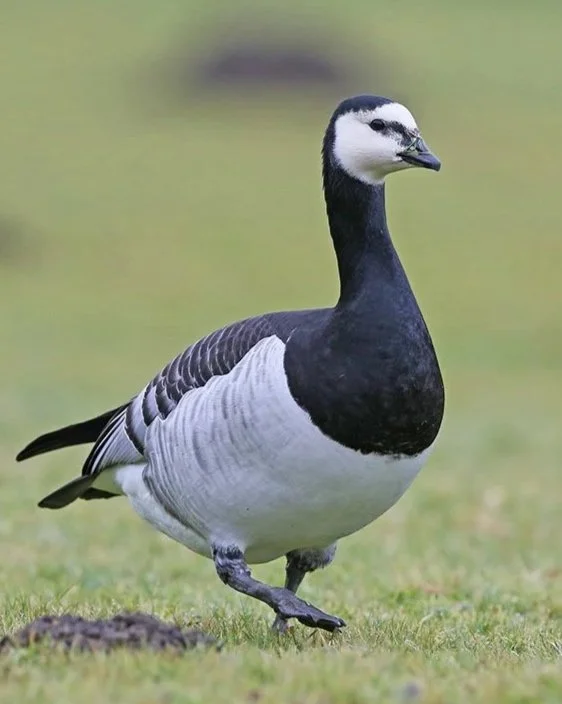
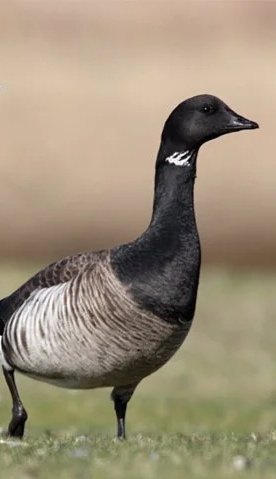
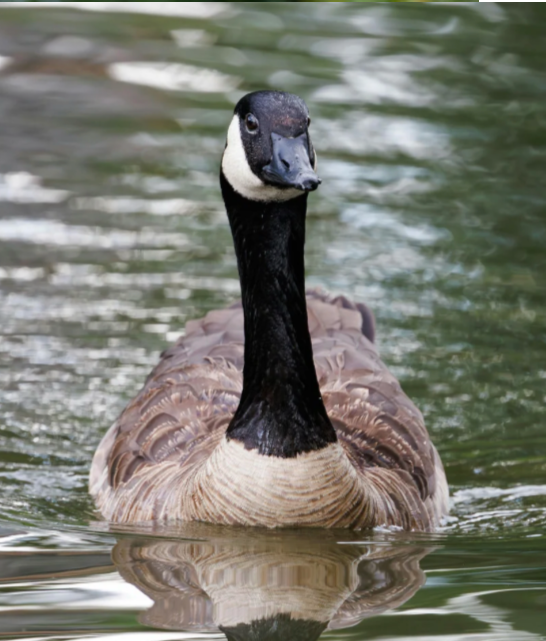
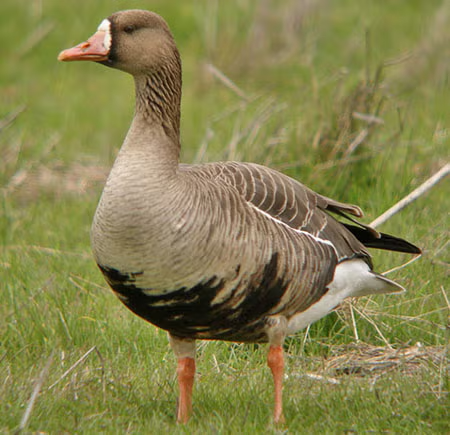
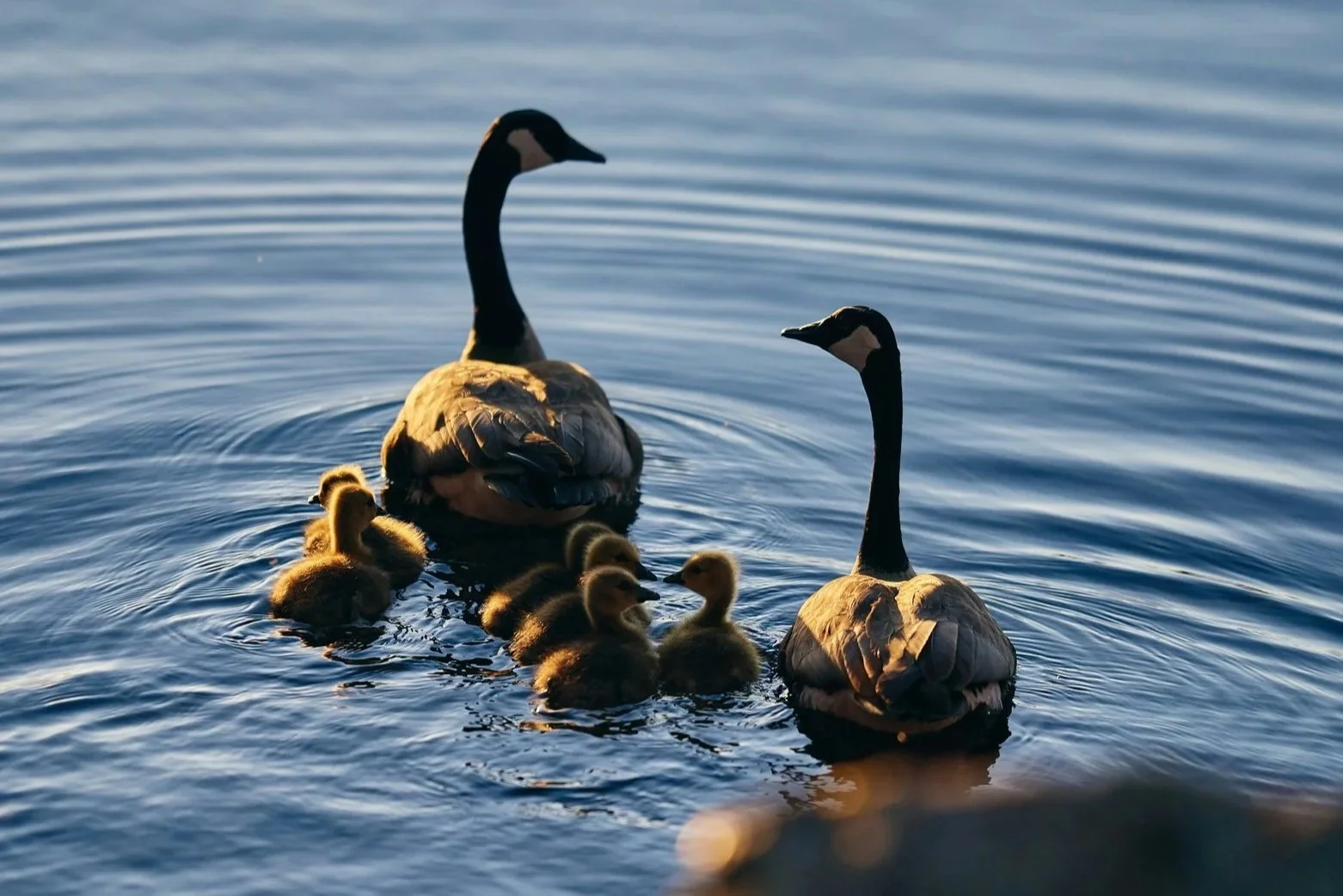
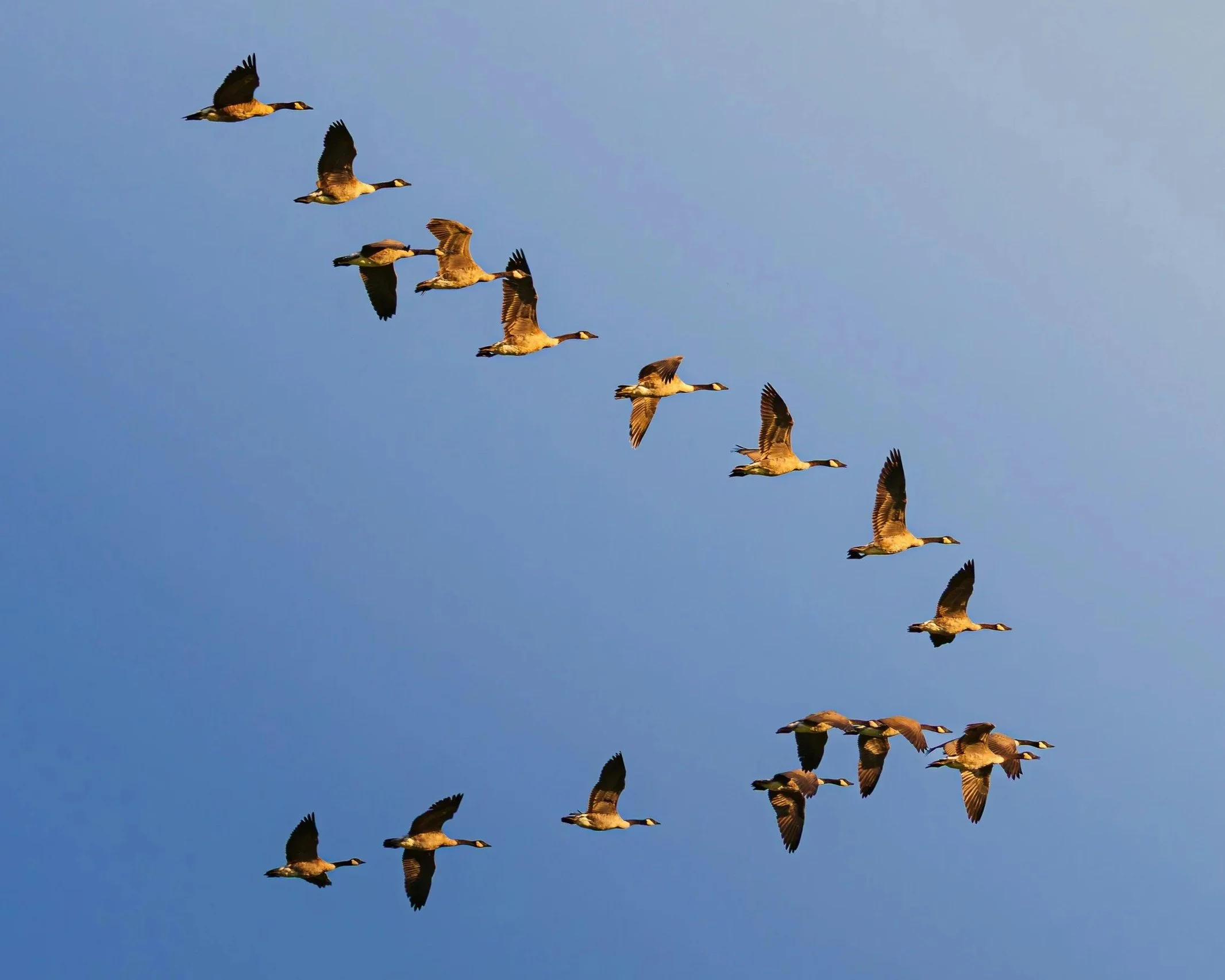
Wild geese span continents, climates, and cultures. From Arctic tundra to coastal marshes, these strong migratory birds play vital ecological roles and have shaped human history for thousands of years. Many of the geese we recognize on farms today actually trace their roots back to wild ancestors.
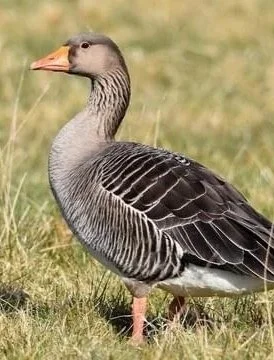
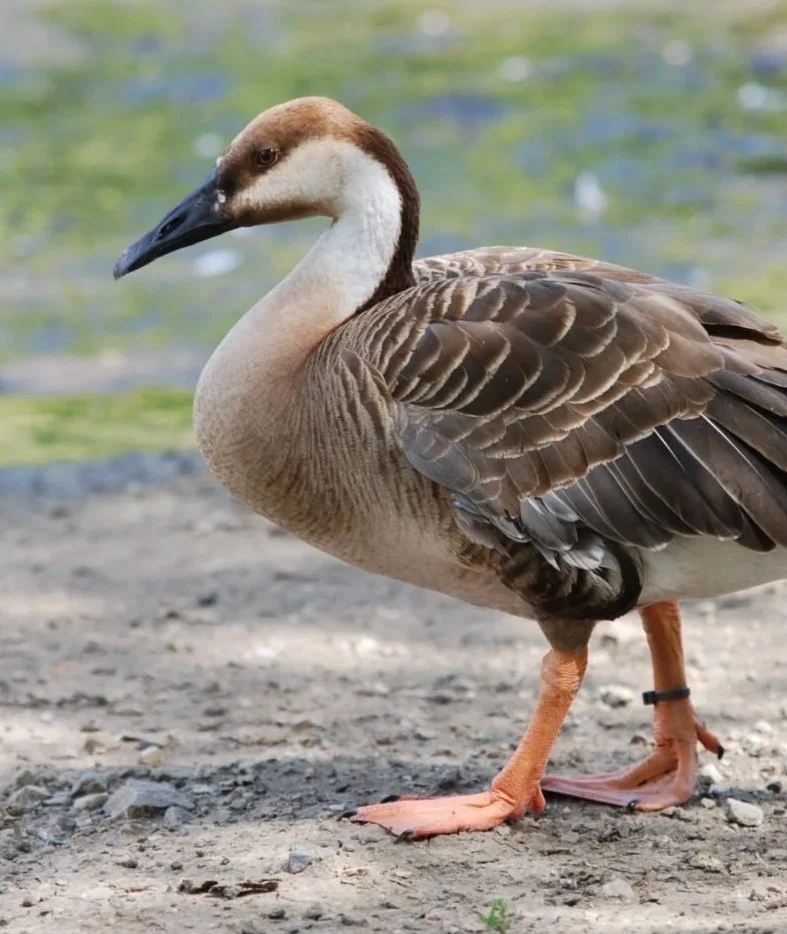
For example, the Swan Goose is a wild Asian species and the ancestor of domestic breeds such as the Chinese Goose and African Goose. Meanwhile, most European domestic breeds descend from the Greylag Goose, a widespread wild goose still found across Europe and parts of Asia.
Understanding these wild origins helps clarify an important distinction: while many geese live comfortably alongside people, their lineage begins in migratory, free-ranging species shaped by wind, water, and long seasonal journeys.
garter snake
(Thamnophis sirtalis)
One of the most familiar backyard snakes, garter snakes are small to medium with yellow, green, or blue stripes on a dark body. Calm and nonvenomous, they feed on insects, amphibians, and small fish, making them excellent natural pest controllers near gardens, ponds, and damp areas.
DEKAY BROWN SNAKE
(Storeria dekayi)
A small, secretive snake with a brown or gray body and subtle lighter stripe along the back, Dekay’s brown snake is harmless to humans. They primarily eat earthworms, slugs, and soft-bodied insects. Often found under mulch, logs, or leaf litter, they help reduce garden pests while staying mostly out of sight.
RED-BELLIED SNAKE
(Storeria occipitomaculata)
Tiny brown or gray snakes with a subtle reddish belly. They stay hidden under leaves or mulch and eat soft-bodied invertebrates like worms and slugs.
A very small, smooth-scaled snake that burrows in soil. Feeds primarily on earthworms and other soft-bodied insects, rarely seen above ground.
SMOOTH EARTH SNAKE
(Virginia valeriae)
(Diadophis punctatus)
RING-NECKED SNAKE
A small, slender snake with a dark body and a distinctive yellow or orange ring around its neck. Secretive and mostly nocturnal, it feeds on worms, slugs, and insects.
Slender relative of the garter snake with bright stripes along its body. Mostly found near water, feeding on amphibians, small fish, and insects.
NORTH AMERICAN RIBBON SNAKE
(Thamnophis sauritus)
FACT OR FICTION?
-
FICTION. Most backyard snakes are nonvenomous and helpful to the ecosystem
-
FICTION. These snakes are shy and prefer to escape rather than fight.
-
FICTION. They control insects, slugs, and rodents—natural pest management without poisons.
WHY EDUCATION MATTERS.
Backyard snakes play a quiet but vital role in ecosystems. They control populations of insects, worms, and rodents, reducing the need for chemicals and traps. They also serve as prey for birds and other wildlife, supporting the food web. Observing them safely reminds us that nature often works in ways we don’t always see—and that not everything unfamiliar is dangerous.