bold and brilliant
Bold, musical, and unmistakable, cardinals and their close relatives bring flashes of red, rose, and warm earth tones to woodlands, wetlands, and backyards across the Americas. These confident songbirds are known for strong voices, sturdy beaks, and year-round presence in many regions. Whether perched proudly on a snowy branch or singing from dense shrubs, they add color, sound, and personality to every season.
the cardinalidae family
Cardinals and their allies belong to the family Cardinalidae. This group includes cardinals, grosbeaks, buntings, and related songbirds found primarily in North and Central America.
Members of this family are typically medium-sized, with thick, powerful bills built for cracking seeds and eating insects. Many species show striking color differences between males and females, especially during breeding season. They are strong singers and often defend territories with bold, ringing songs.
The following are common Cardinalidae species.
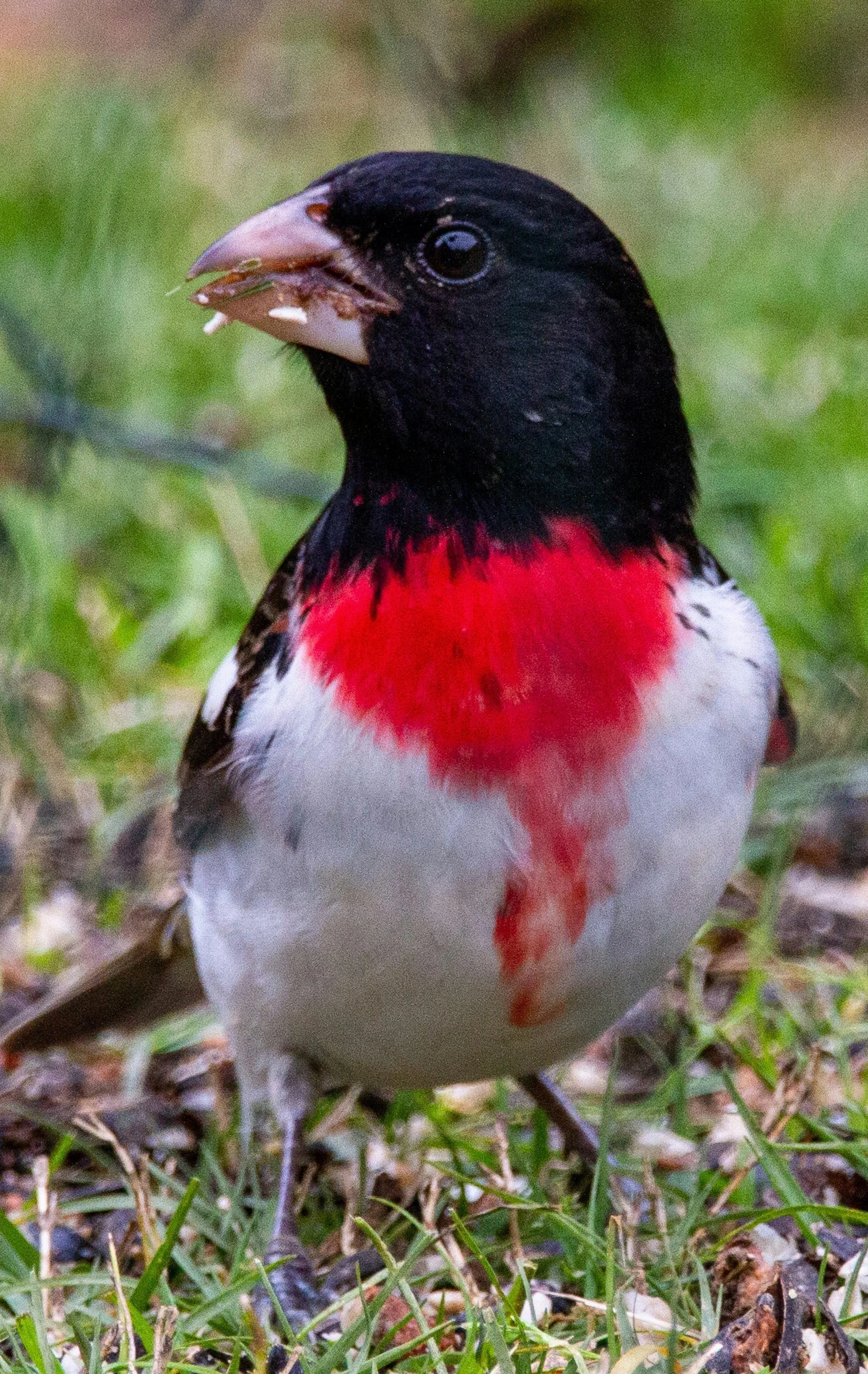
ROSE-BREASTED GROSBEAK
(Pheucticus ludovicianus)
Striking in black and white with a bold rose-red chest patch, this grosbeak breeds in forests of the northeastern and central United States and southern Canada, migrating to Central and South America in winter.
A deep, rich blue bird with warm chestnut wing bars, the Blue Grosbeak prefers brushy fields and woodland edges. Native to the southern and eastern United States, Mexico, and Central America, it migrates south for winter.

BLUE GROSBEAK
(Passerina caerulea)
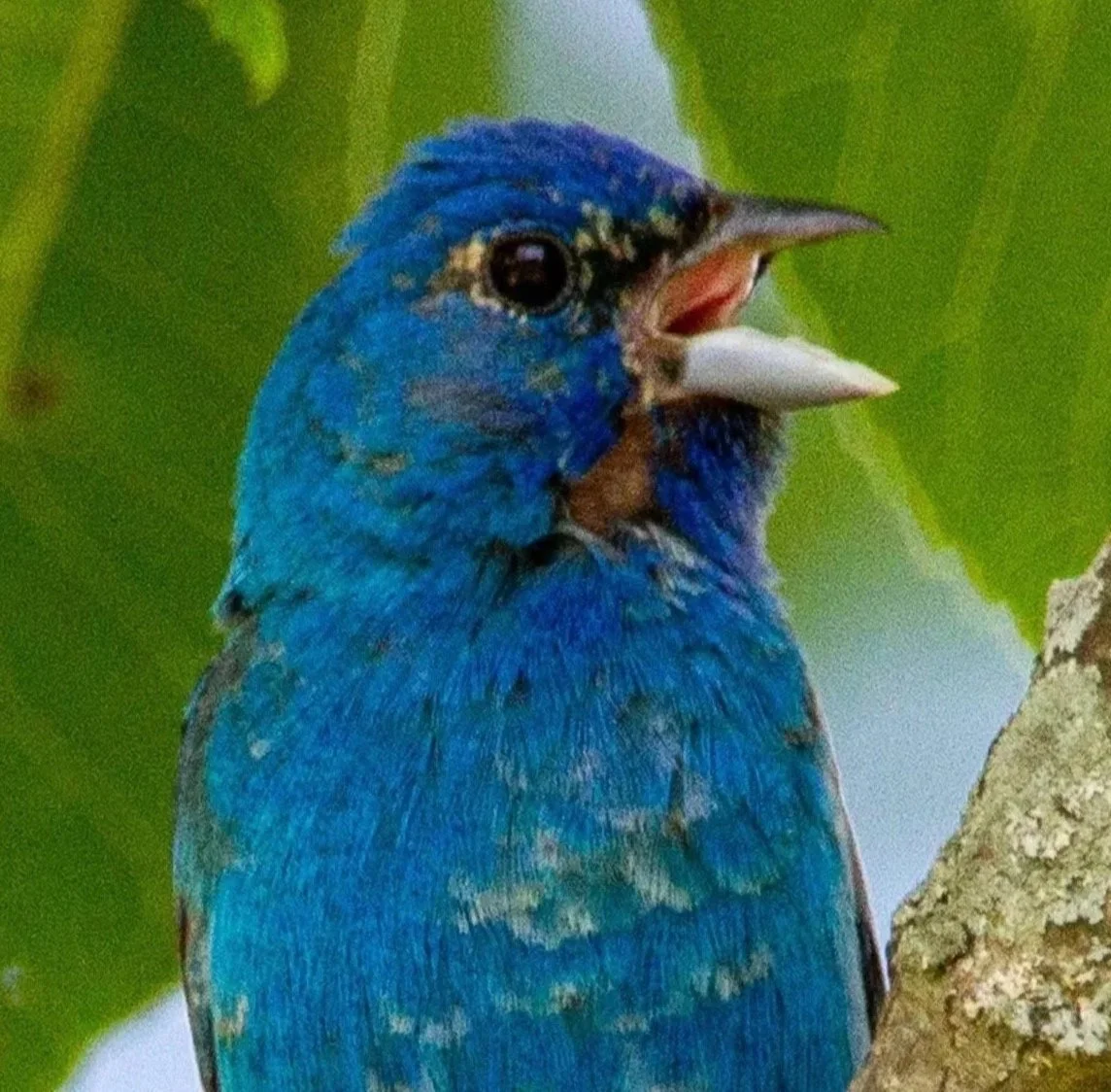
Brilliant electric blue in sunlight, the male Indigo Bunting seems to glow against green summer foliage. Native to North America, it breeds across the eastern and central United States and southern Canada before wintering in Central America.
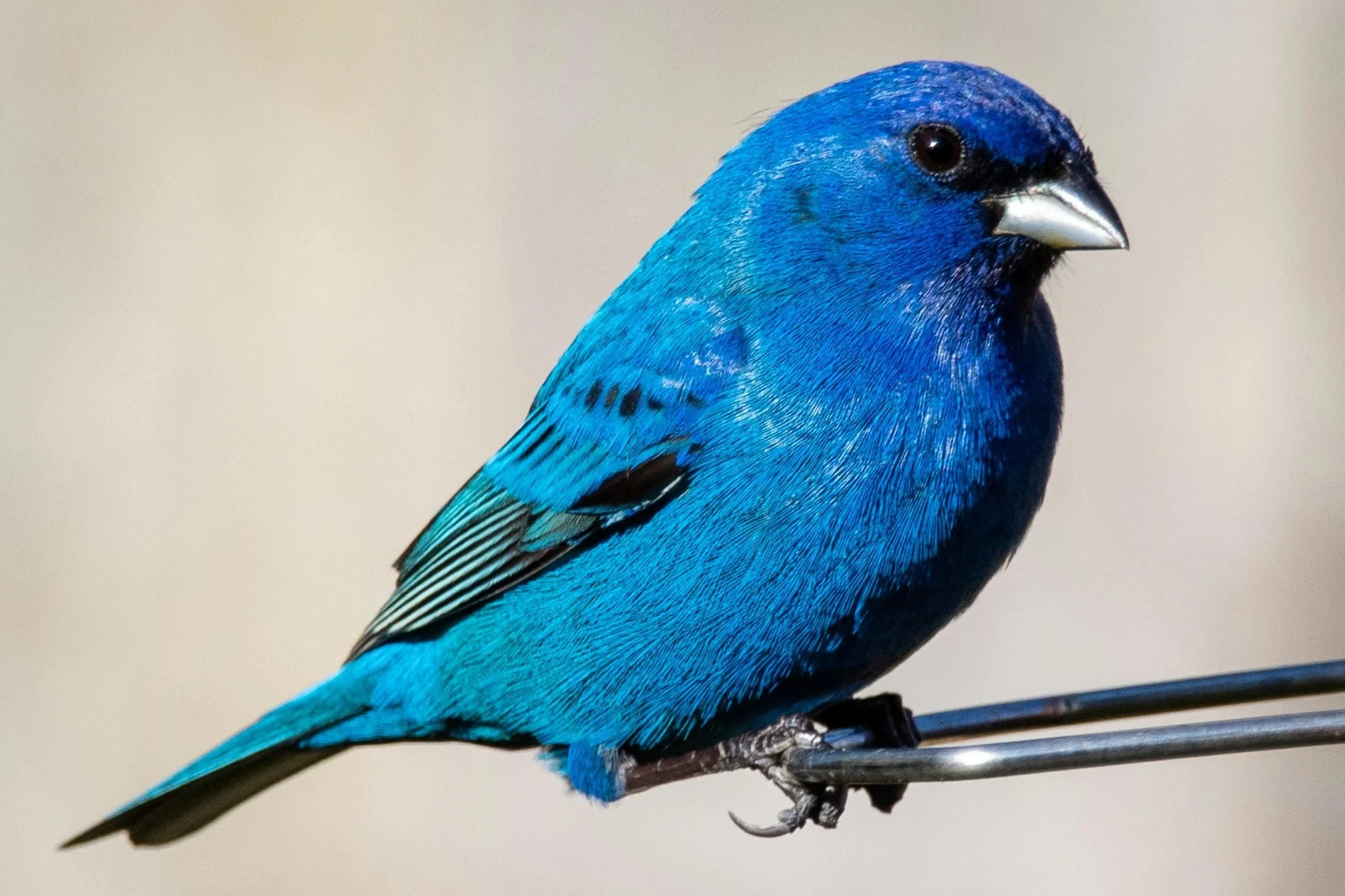
indigo bunting
(Passerina cyanea)
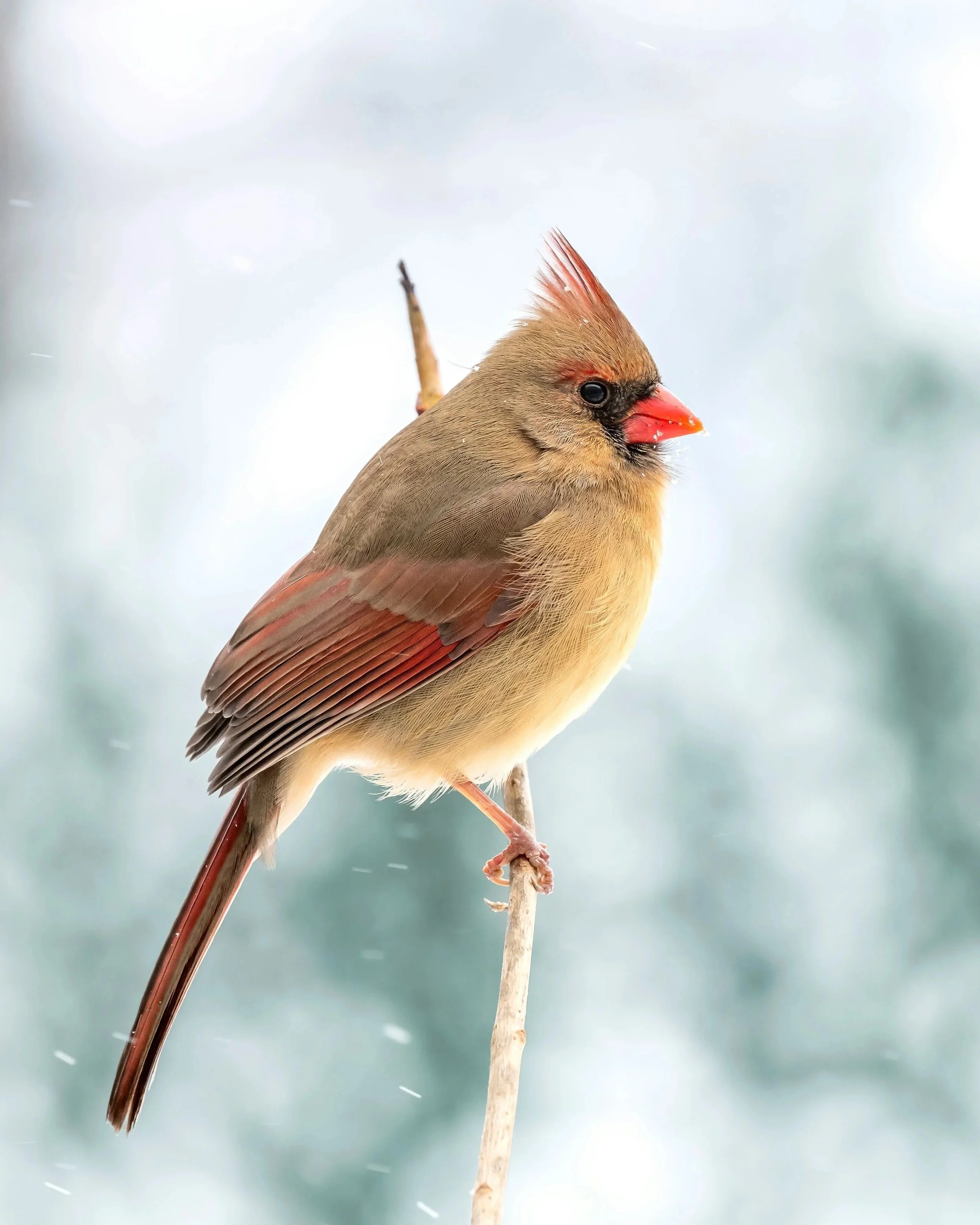
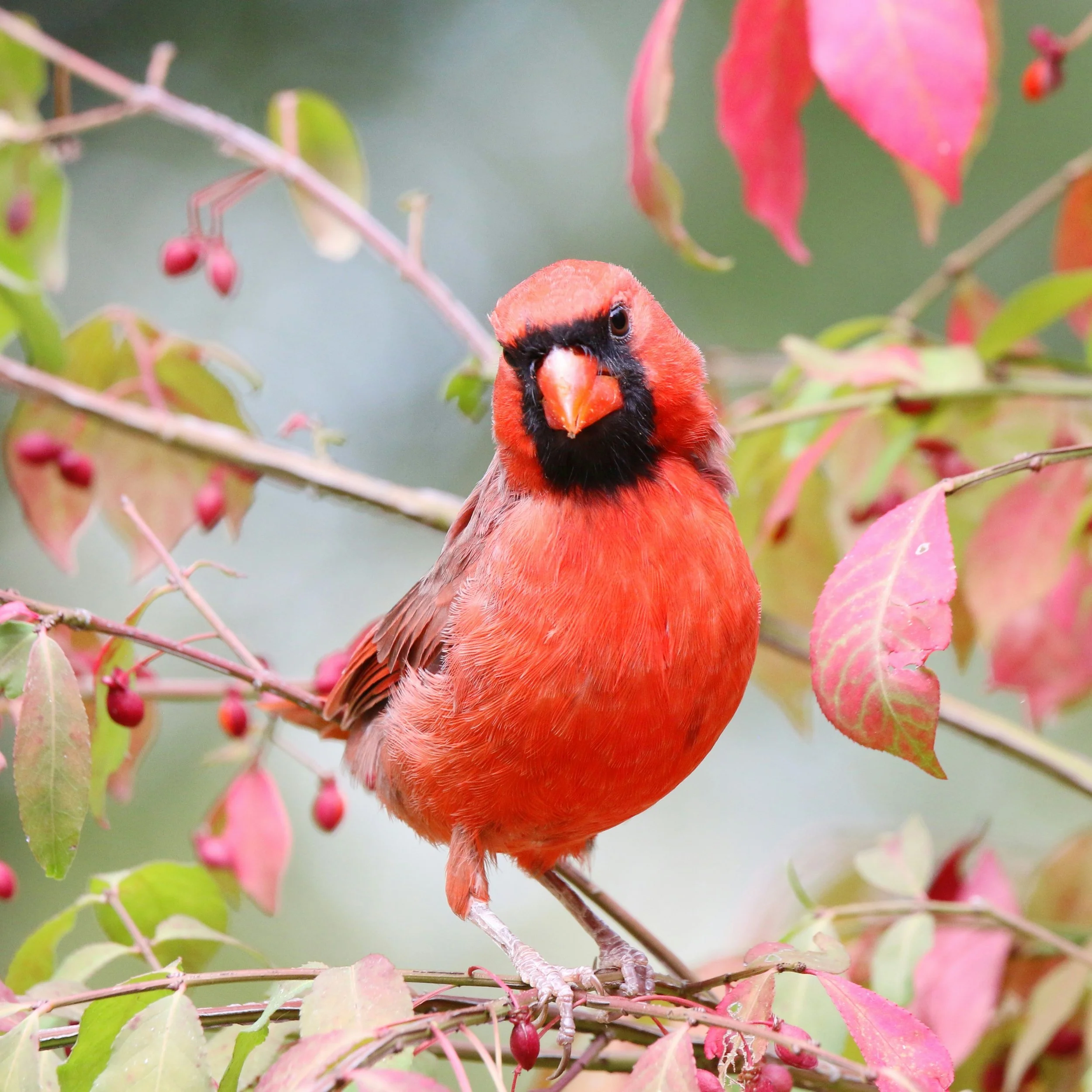
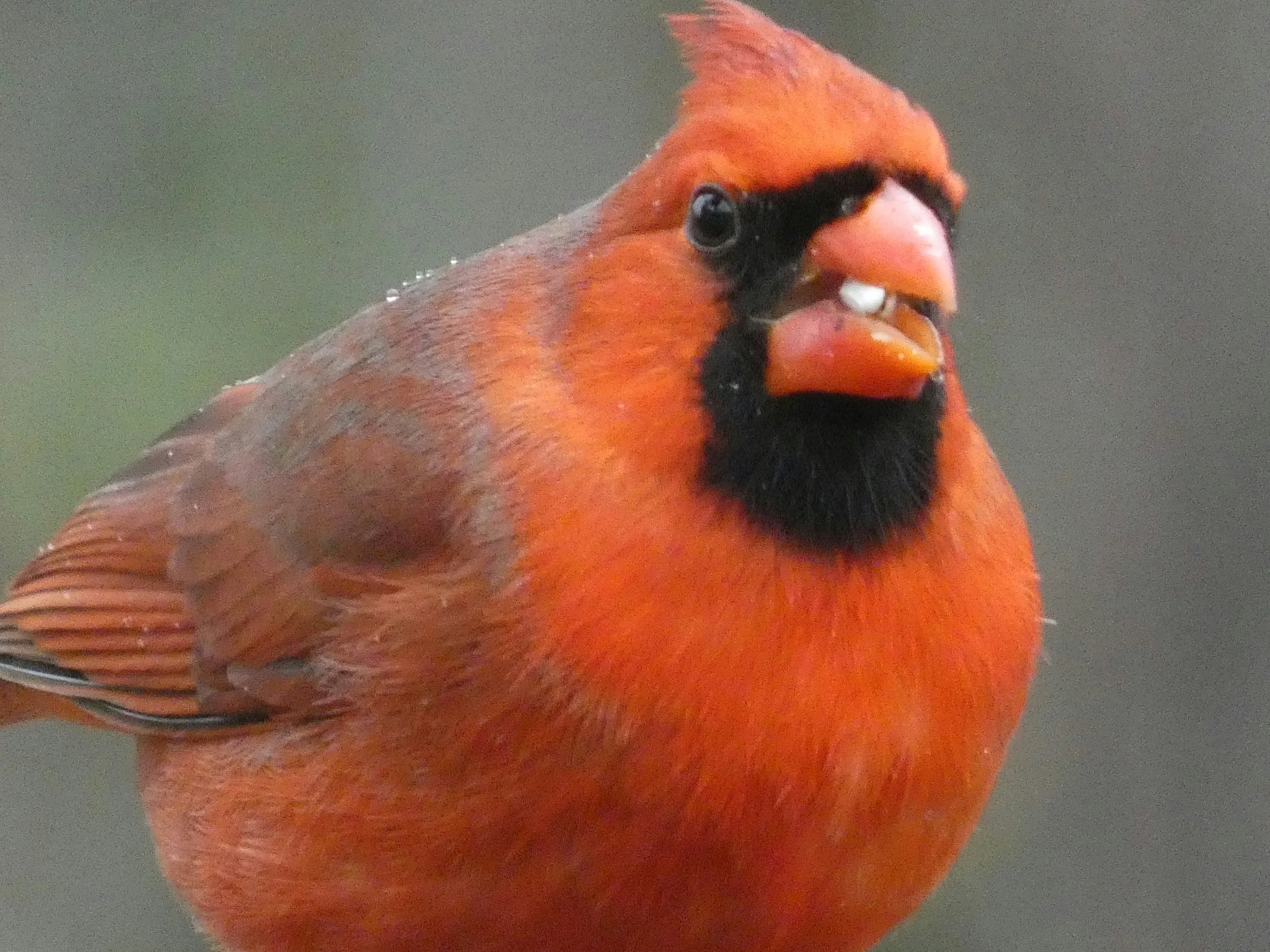
Perhaps the most recognizable of them all, the Northern Cardinal is famous for its vivid red plumage (males) and warm reddish-brown tones (females). Native to the eastern and central United States, Mexico, and parts of Central America, many remain year-round residents.
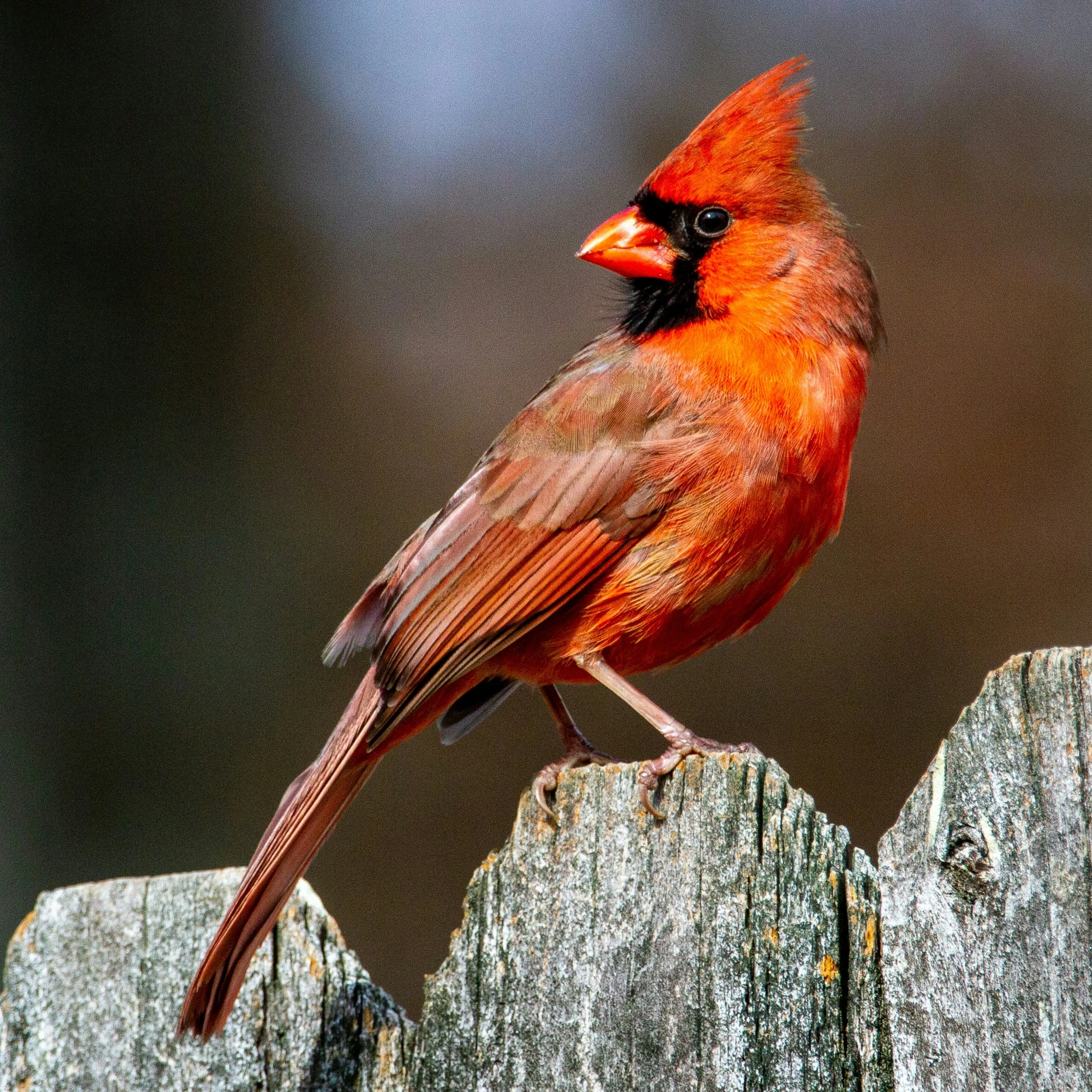
NORTHERN CARDINAL
(Cardinalis cardinalis)
A living rainbow, the male Painted Bunting displays bright red, blue, and green plumage. Native to the southeastern and south-central United States, Mexico, and Central America, it prefers brushy habitats and coastal areas.
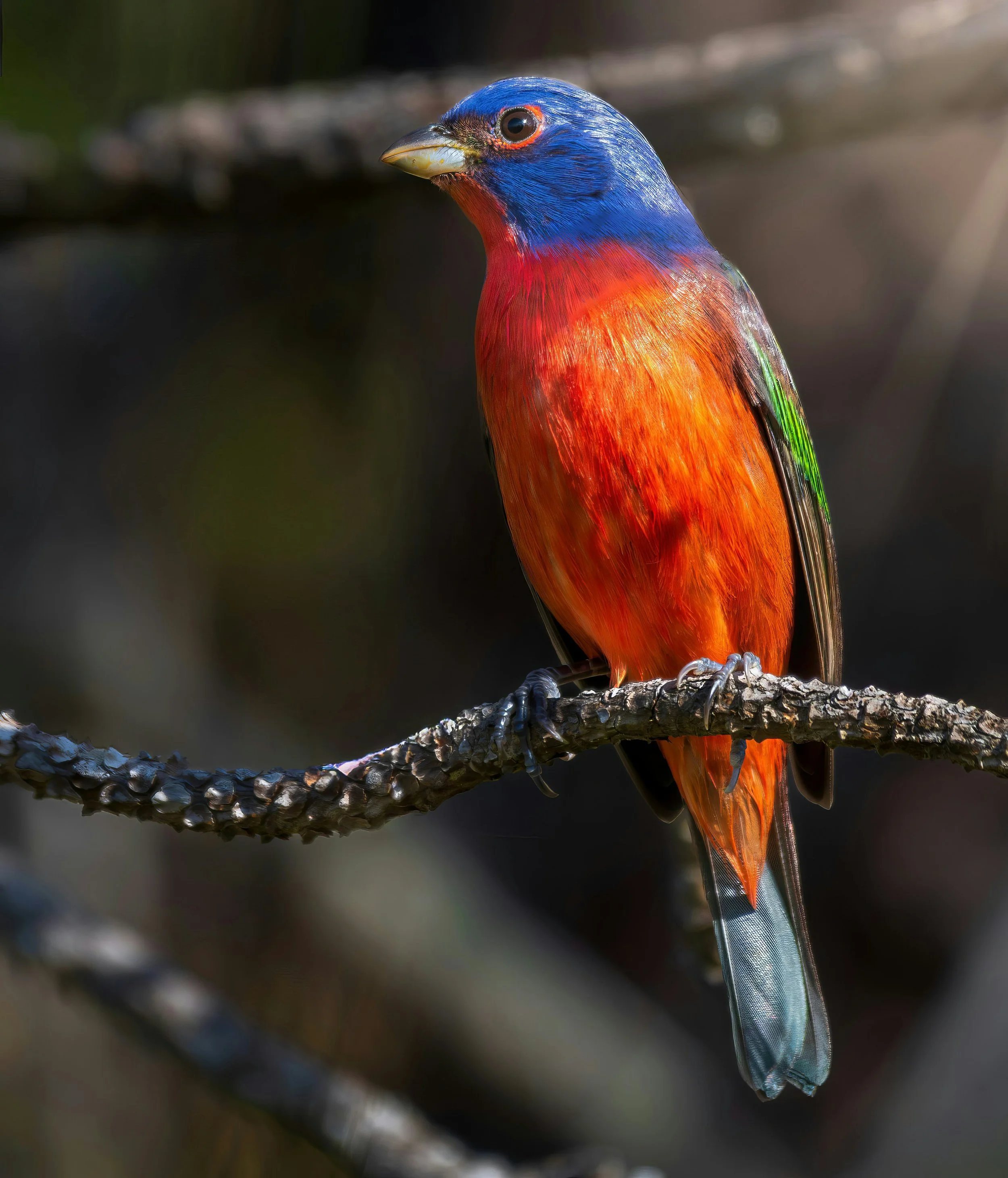
PAINTED BUNTING
(Passerina ciris)
Sometimes called the “desert cardinal,” the Pyrrhuloxia has soft gray plumage accented with red highlights and a curved yellow bill. Native to the southwestern United States and northern Mexico, it thrives in dry desert scrub.
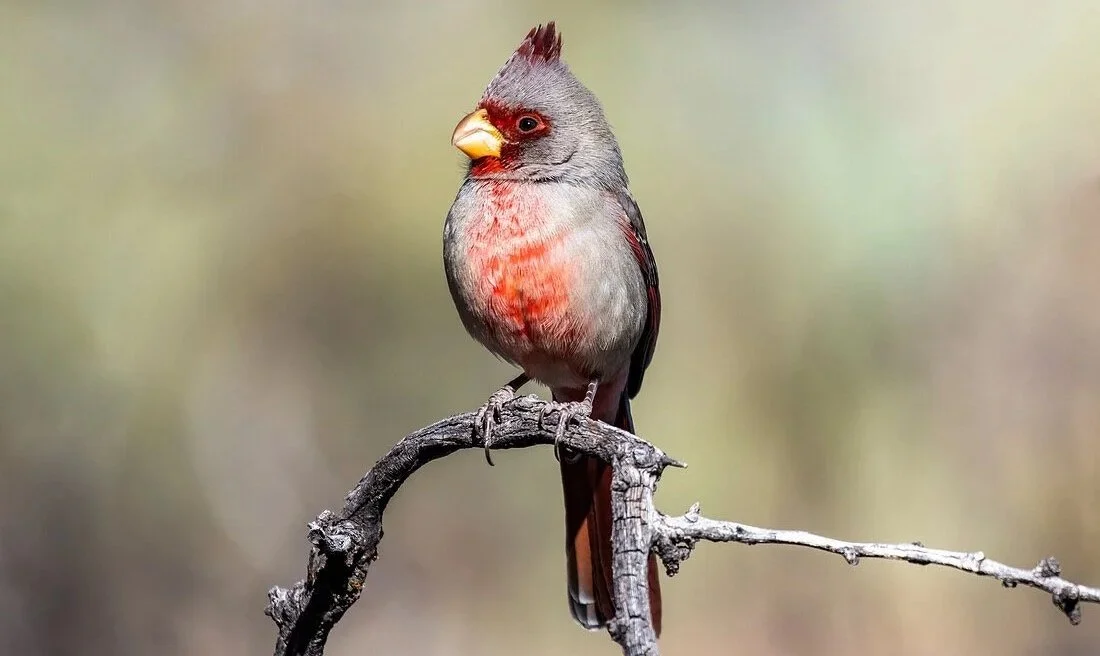
Pyrrhuloxia
(Cardinalis sinuatus)
FACT OR FICTION?
-
FICTION. Some species are year-round residents, while others migrate seasonally.
-
FACT. Members of this family are known for clear, powerful, and often musical songs.
-
FACT. In many species, males display brighter breeding plumage to attract mates.
-
FICTION. In many species, including Northern Cardinals, females sing too — often as part of pair bonding.
-
FACT (mostly.) Many pairs stay together for multiple breeding seasons, though not always permanently.
-
FICTION: They eat seeds, fruits, and plenty of insects, especially during nesting season.
WHY CARDINALIDAE MATTER.
Cardinals and their relatives play an important role in maintaining healthy ecosystems. By eating seeds and dispersing them, they help regenerate native plants. During breeding season, they consume large numbers of insects, supporting natural pest control. They also provide food for larger birds and mammals, strengthening the food web.
Beyond their ecological value, they offer something just as meaningful — year-round beauty and song. Their bold colors and confident calls make them powerful ambassadors for backyard birdwatching, helping people of all ages connect with the natural world.