CARING FOR
DOMESTIC GEESE
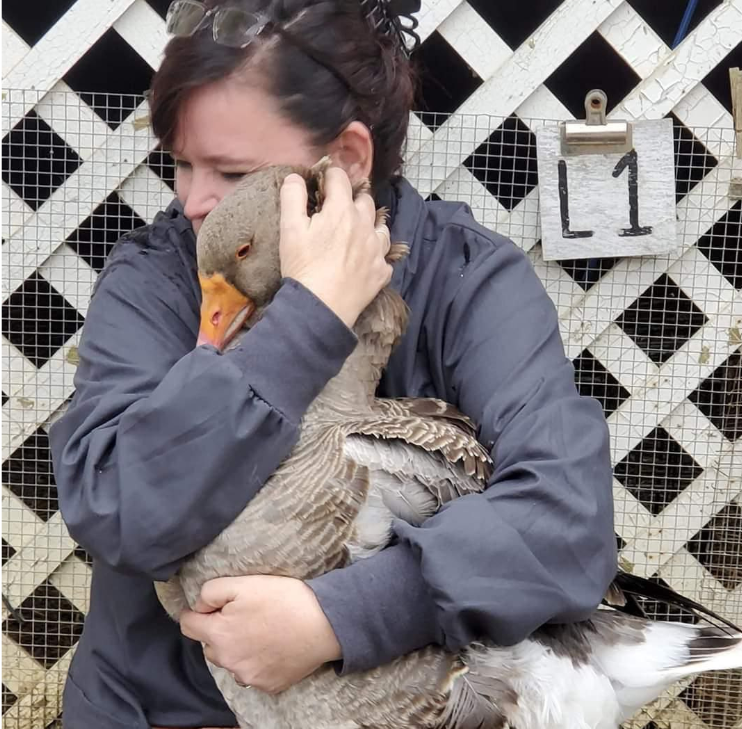
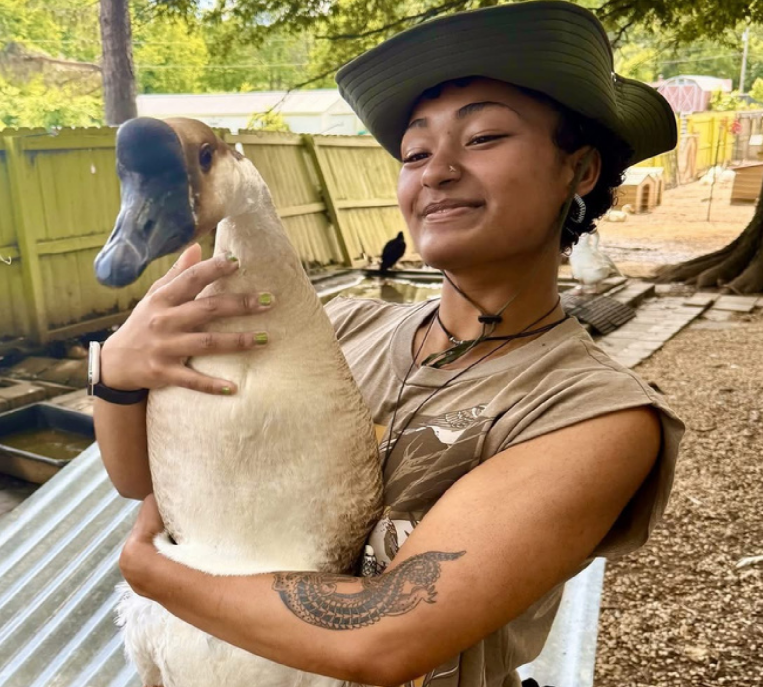
Domestic geese are social, intelligent birds that can be loyal, engaging, and surprisingly affectionate companions. Known for their strong bonds, expressive personalities, and natural watchfulness, geese thrive when their physical and social needs are well understood. Caring for geese involves providing ample outdoor space, access to fresh water, proper nutrition, and opportunities for grazing and enrichment. With the right environment and attentive care, domestic geese can flourish while forming lasting connections with the people who care for them.

CARE SUMMARY
Domestic geese are generally hardy and not medically delicate; they do require more space, daily management, and clear boundaries—more so than typical beginner birds. Their need for outdoorhousing, water access, grazing, social interaction, and their sometimes bold or territorial behaviormeans they’re best suited for caregivers who have some animal-care experience or are ready to learnand commit.
Lifespan
Domestic geese can live 20+ years with proper care—sometimes up to 30—making them a long-term commitment similar to dogs or horses.
Size
Domestic geese typically measure 29–36 inches long, stand 24–30 inches tall, weigh 5–10 pounds, and have a 58–71 inch wingspan, depending on breed.
Behavior
Highly social and intelligent, they bond closely with caregivers, communicate vocally, and—with consistent handling—become confident, engaging companions.
Housing
Domestic geese need secure, predator-proof housing with space to roam, fresh water for drinking and bathing, and dry, well-ventilated shelter with clean bedding.
Care Needs
Geese need quality waterfowl feed, fresh greens, clean water, regular health checks, daily social interaction, safe grazing space, and protection from predators to thrive.
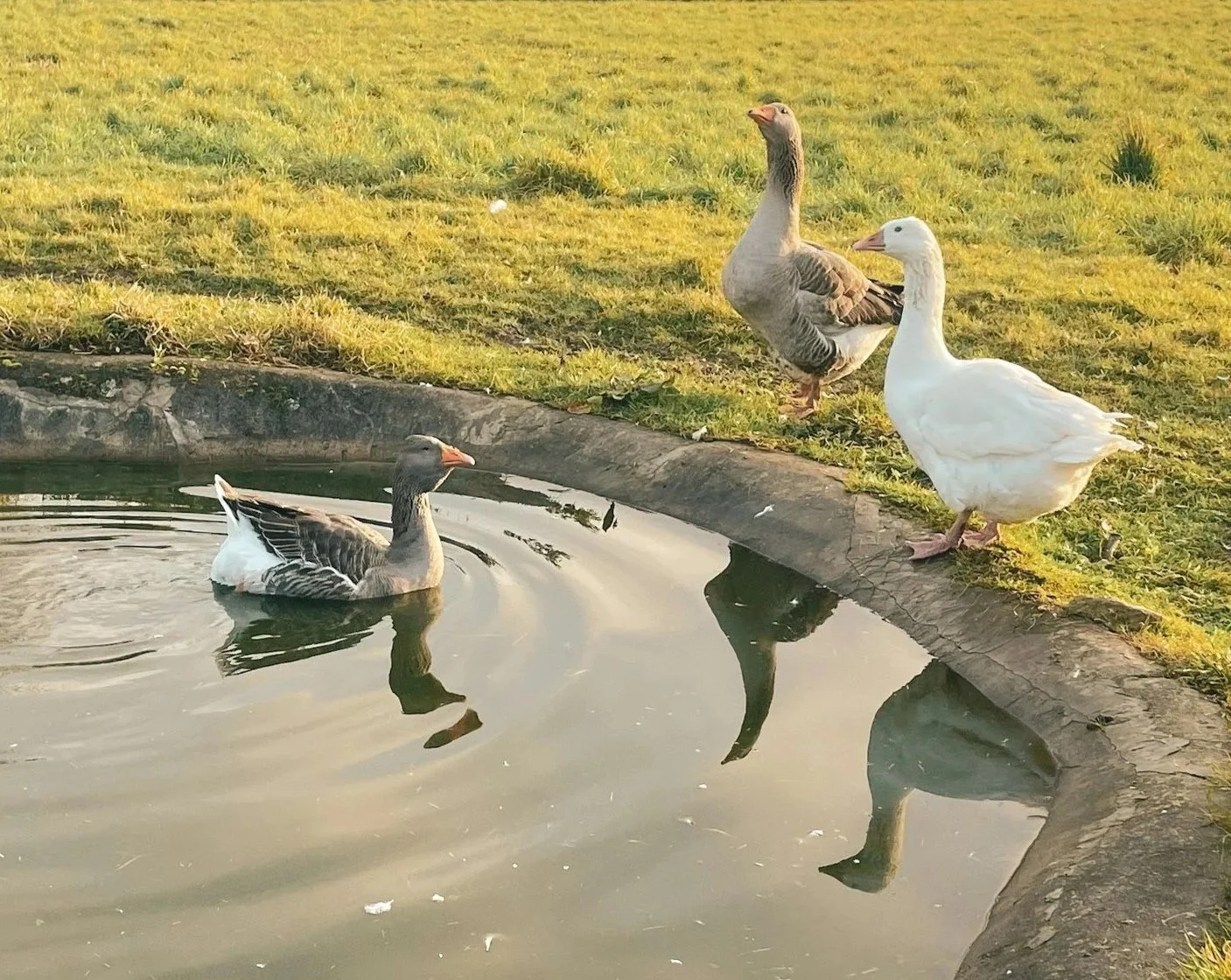
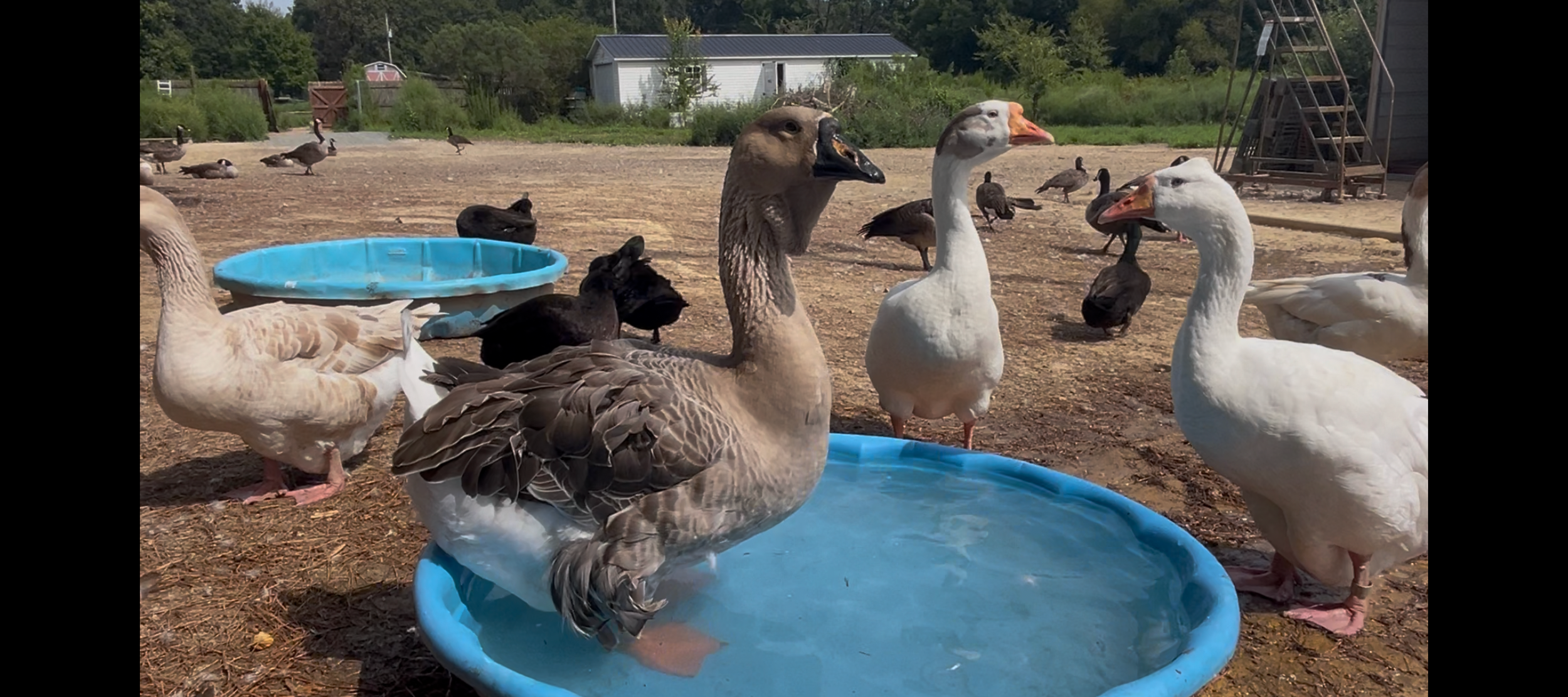
A safe outdoor space for a domestic goose should include secure fencing to protect against predators, plenty of grassy areas for grazing, and access to clean water for drinking and bathing. While geese naturally enjoy ponds, a plastic baby pool can be a sufficient alternative as long as it’s large enough for the goose to submerge its body and flap its wings—ideally at least 3–4 feet in diameter and 6–12 inches deep. The area should also offer shaded spots and weather protection, a dry shelter with clean bedding, and enough room for walking, stretching, and interacting with their flock or caregivers.
CREATING A SAFE outdoor SPACE
PREDATOR PROOFING AN ENCLOSURE
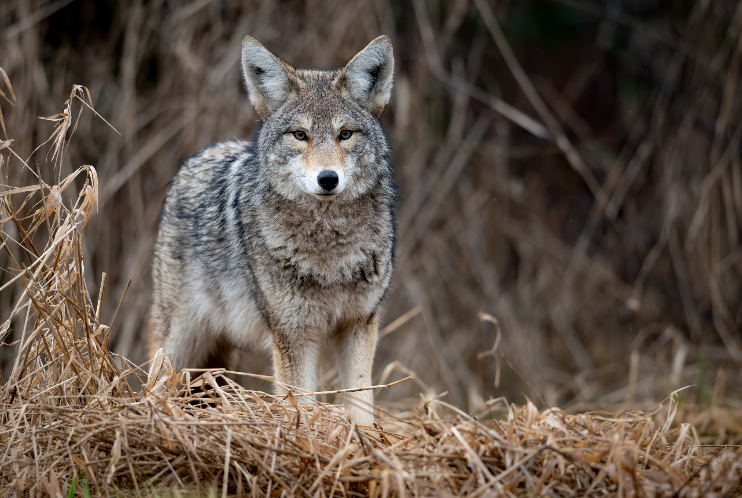
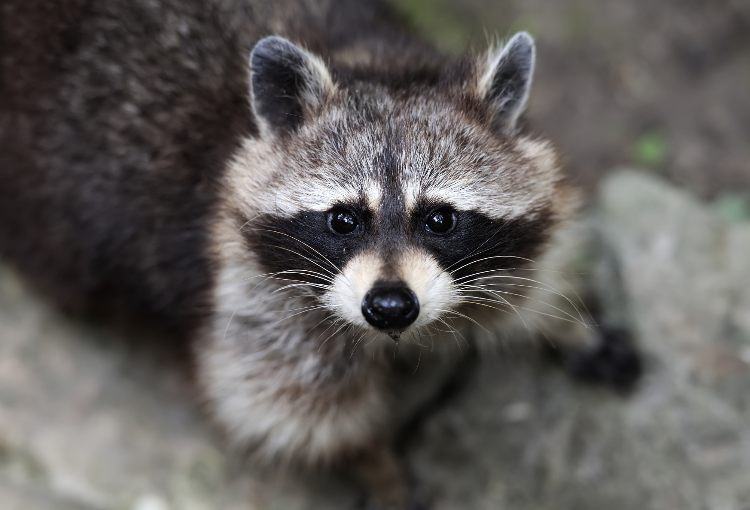
To keep your domestic goose safe, a predator-proof enclosure is vital. Geese should be secured in this space during the night and anytime you are not present to supervise, while still having supervised access to grazing or exercise areas during the day. Common predators that can harm geese include foxes, raccoons, dogs, coyotes, hawks, owls, and snakes, so your enclosure should be designed to keep these threats out. For space needs, a commonly recommended minimum is about 6 square feet per goose, though individual needs may vary, so be prepared to expand their living space if necessary. The floor should be covered with dry, absorbent bedding such as straw, which should be checked daily and fully replaced at least once a week to maintain hygiene. Finally, frequently inspect your enclosure for wear or damage to ensure it remains fully predator-proof.
Frame & Structure
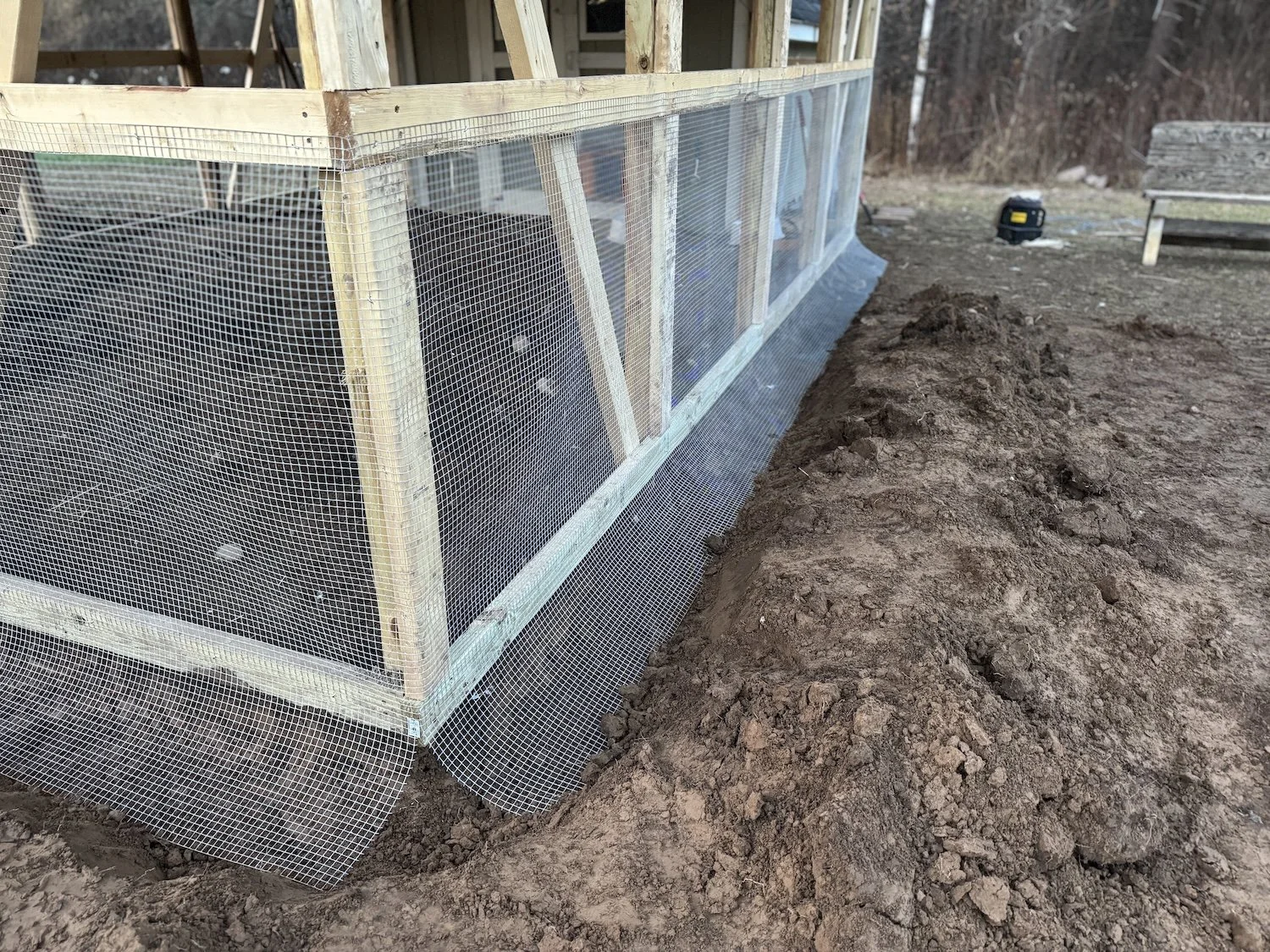
Build the frame tight and sturdy using 2x4s or similar lumber, secured with screws and bolts. If the structure wobbles or can be easily moved, it isn’t safe, no matter what predators live in your area.
Hardware Cloth & Walls
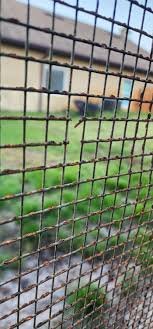
Encapsulate all sides of the aviary—the four walls, floor, and roof—in 0.5” or 0.25” hardware cloth. Each panel should overlap securely, with all seams tight and no gaps larger than 0.5 inches. (If you can fit your fingertip through, it’s not safe.)
Never use chicken wire or bird netting—these keep birds in but won’t keep predators out, becoming a trap.
If building on a solid base like cement and not lining the floor with hardware cloth, bolt the frame down tightly to prevent rodents or other small animals from getting in.
Plywood, siding, or roofing can be added over the hardware cloth for weather protection—but never replace the hardware cloth itself. Rodents will chew through anything that isn’t protected by it.
Shelter & Layout
Design the aviary so half is sheltered with a roof and siding for protection from sun, wind, and rain, and half is open to allow light and fresh air.
Doors & Access
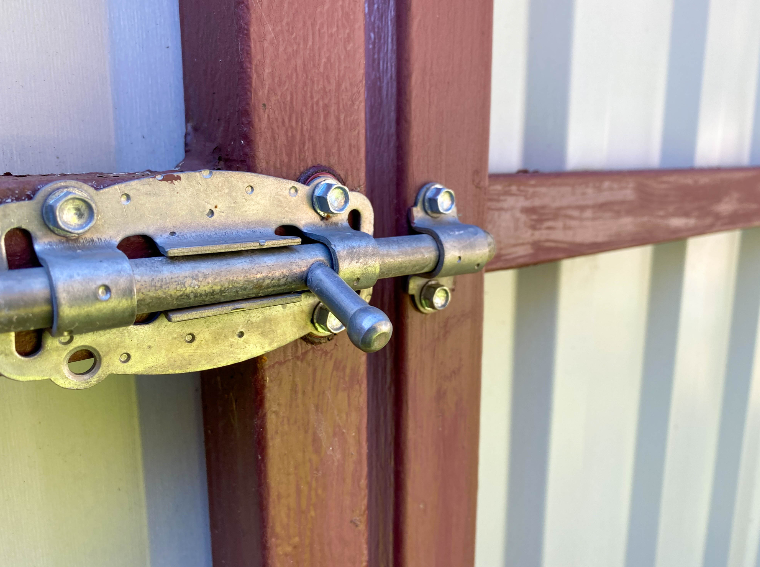
Secure doors with two predator-proof latches, one high and one low, and ensure gaps around the door are too small to fit a fingertip.
Maintaining a Safe enclosure
Even the sturdiest enclosure can develop weak spots over time. Inspect your enclosure regularly to ensure:
All panels of hardware cloth remain secure, with no gaps larger than 0.5 inches.
Screws, bolts, and fasteners are tight and haven’t loosened.
Doors and latches are functioning properly and gaps are minimal.
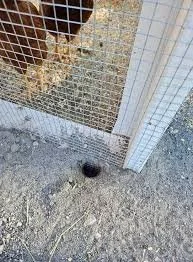
There are no signs of chewing or damage from rodents, raccoons, or other animals.
A quick weekly check and a more thorough monthly inspection can prevent escapes, injuries, or predator access—and keeps your geese happy and safe.
DIETARY NEEDS
Primary Diet:
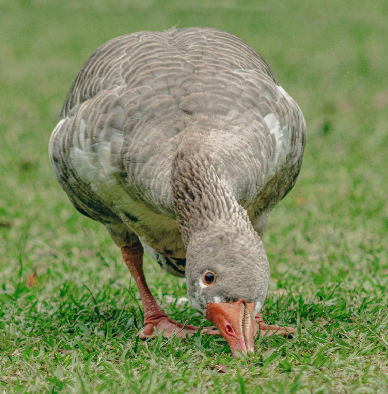
Domestic geese are primarily herbivores and thrive on a diet of high-quality waterfowl or goose pellets formulated for balanced nutrition, providing essential proteins, vitamins, and minerals.
Fresh Greens & Grazing
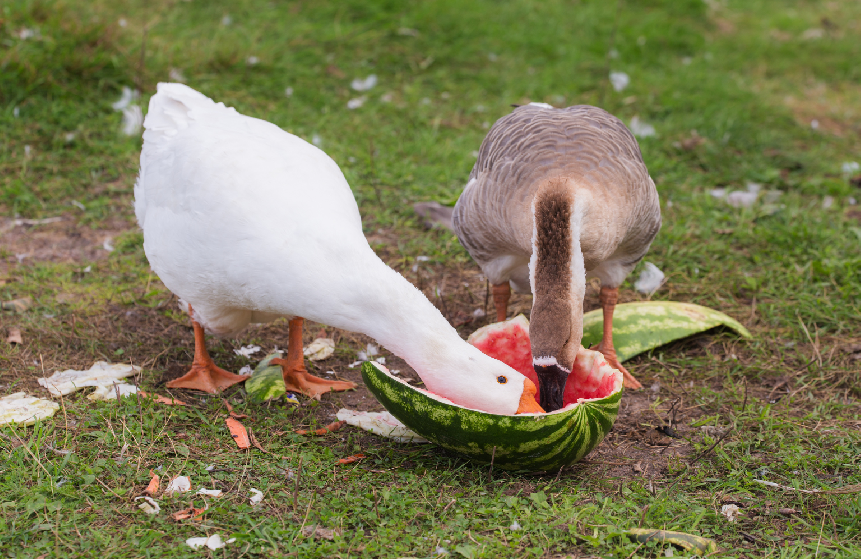
Geese love to graze on grass, clover, dandelions, and other safe plants, which is important for mental stimulation, exercise, and natural foraging behavior. Access to a safe foraging area daily allows themto supplement their diet naturally.
Amount to Feed
Domestic geese generally require about 1 to 2 cups of feed per bird per day, especially during Winter or when foraging is limited. While geese are efficient grazers and may need minimal supplements in Summer, providing pellets ensures proper nutrition during breeding, molting, or cold weather.
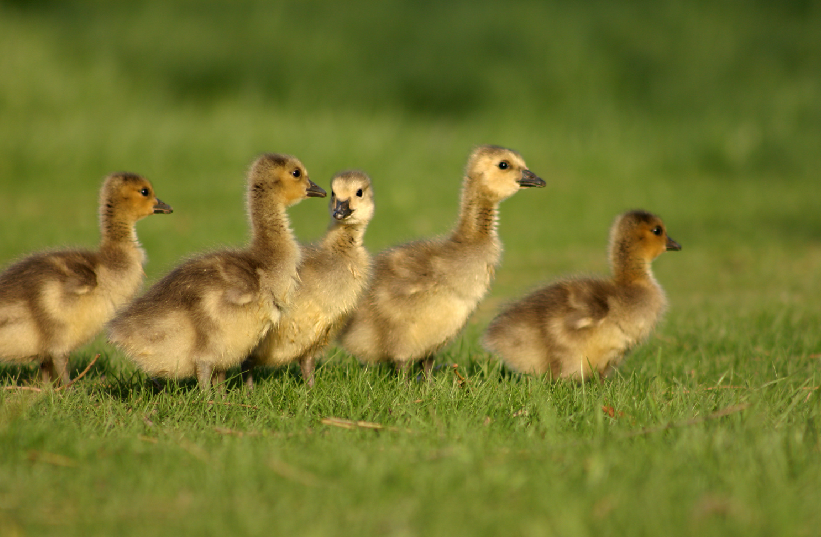
Adults require a 14–16% protein diet, while goslings require higher protein levels, about 20–22%, to support healthy growth and development.
Supplements
Geese may benefit from occasional grit to help with digestion. Free-ranging geese usually find enough small pebbles and sand on their own, but confined or young geese should be provided with insoluble poultry grit or sand. Calcium supplements should be offered to laying females to support eggshell production.
Adult geese, and particularly goslings, need sufficient niacin in their diet to support healthy growth, energy use, and strong bone and leg development. A deficiency in niacin can lead to serious leg problems, including bowed legs, deformities, and in severe cases, even death, making this nutrient essential for the health of young birds.
Fresh Water
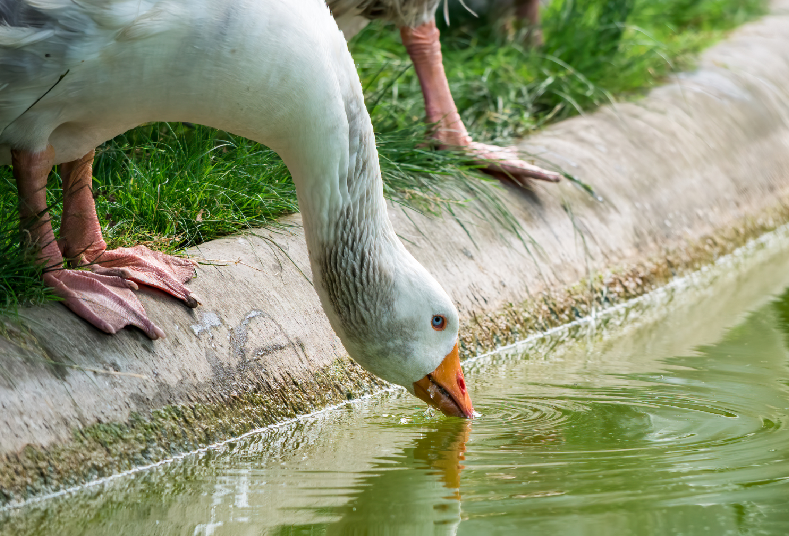
They require constant access to clean, fresh water, not just for drinking but also to help swallow and digest their food properly.
Food Hygiene
Food should be refreshed daily to prevent spoilage. Leaving food out too long can lead to mold, bacterial growth, and fermentation, which can cause serious health problems such as digestive upset, crop infections, or even death.
Why Proper Feeding Matters
Providing a balanced diet and proper foraging opportunities ensures geese maintain healthy weight, strong feathers, good egg production, and overall vitality.
ENRICHMENT
Enrichment Offerings for Your Domestic Goose
Water Access: Swimming or wading opportunities for bathing, preening, and exercise
Grazing & Foraging: Fresh grass, clover, and safe plants to encourage natural foraging
Objects to Explore/Peck: Logs, stumps, balls, or other safe items to investigate
Varied Diet: Fresh greens, vegetables, and occasional treats for mental stimulation
Social Interaction: Time with other geese or gentle human interaction
Shaded/Sheltered Areas: Hiding spots or shade for rest and security
Floating or Splash Toys: Safe water toys to encourage play and movement
Varied Terrain: Small hills, soft ground, or sand areas for walking
Food and Items to AVOID
Dangerous Foods
• Avocado
• Chocolate
• Caffeine (coffee, tea, energy drinks)
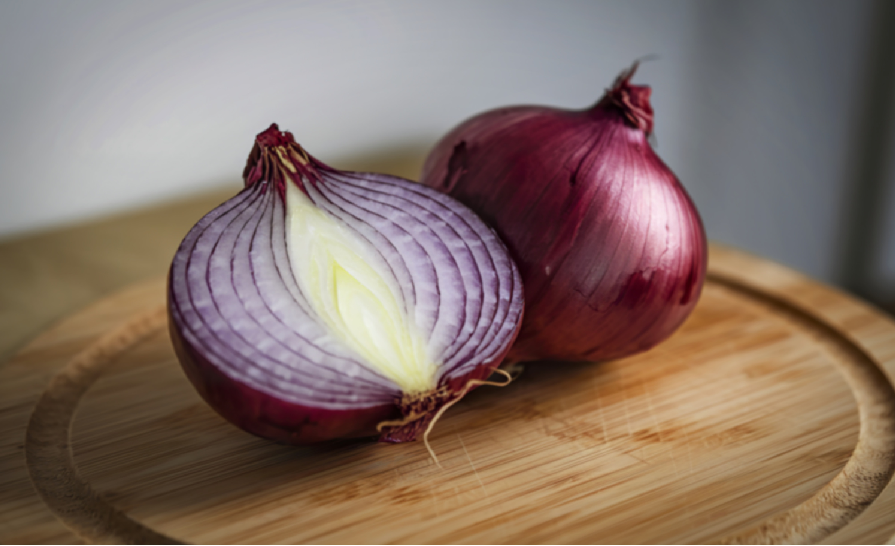
• Onions & garlic
• Alcohol
• Salty foods
• Rhubarb leaves
• Apple seeds, cherry/peach pits
• Processed, sugary, or fatty human foods
Dangerous Non-Food Items
• Plastic, string, or rubber
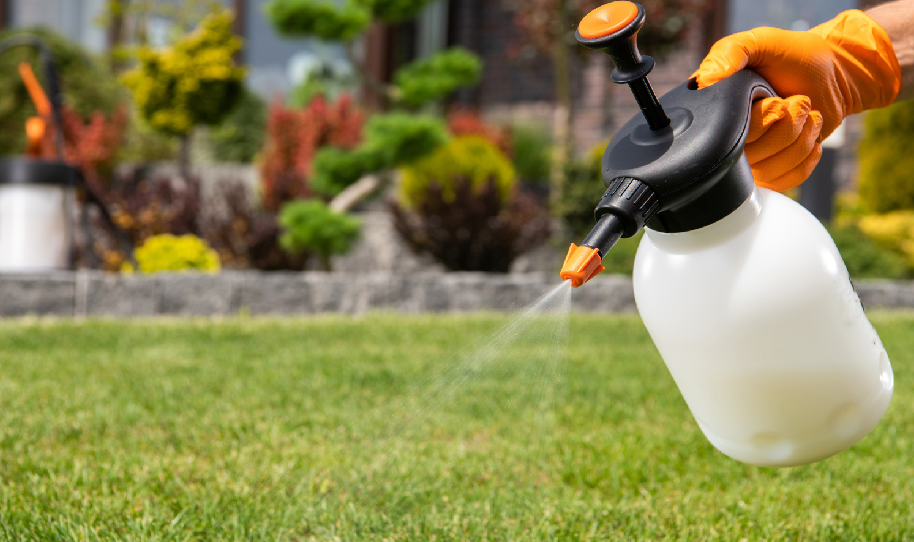
• Household chemicals (cleaners, fertilizers, pesticides)
• Sharp objects (glass, nails, metal)
health & preventative care
Maintaining good health in domestic geese begins with providing a balanced diet, clean water, and a safe, enriched environment. Regular observation allows caregivers to spot early signs of illness, suchas changes in appetite, behavior, or feather condition. Preventative care, including vaccinations where appropriate, parasite control, and proper biosecurity, helps reduce the risk of disease before it becomes serious. Routine cleaning of living areas and proper hygiene also protect geese from infections and promote overall well-being. By prioritizing preventative care, owners can ensure their geese live longer, healthier lives with fewer medical complications.
Behavioral Changes
• Lethargy or unusual inactivity
• Loss of appetite or refusal to eat
• Isolation from the flock or unusual aggression
Physical Appearance
• Fluffed, ruffled, or dull feathers
• Swelling, lumps, or lesions on the body
• Discharge from eyes, nostrils, or beak
Movement and Posture
• Limping, favoring a leg, or difficulty walking
• Head tilting, circling, or uncoordinated movements
Digestive and Excretory Signs
• Diarrhea or unusual droppings (color, consistency, or odor)
• Vomiting or regurgitation
Respiratory Signs
• Labored breathing, wheezing, coughing, or sneezing
• Open-mouth breathing or frequent stretching of the neck while breathing
Other Signs
• Swollen abdomen or signs of sour crop
• Dehydration (sunken eyes, dry mouth, lethargy)
• Abnormal vocalizations
COMMON ILLNESSES IN DOMESTIC GEESE
Aspergillosis (Respiratory Fungal Infection)
• Swollen abdomen or signs of sour crop
• Dehydration (sunken eyes, dry mouth, lethargy)
• Abnormal vocalizations
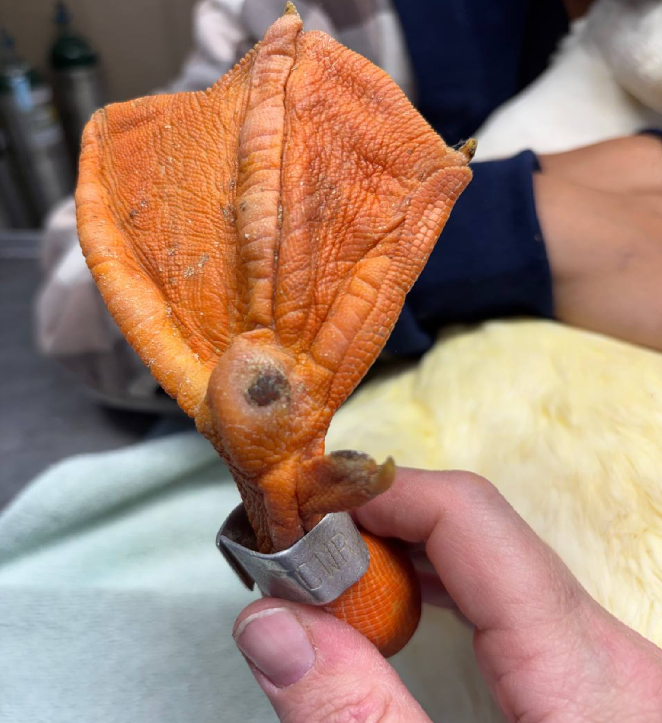
Bumblefoot (Foot Infection)
Cause: Bacterial infection from cuts, abrasions, or standing on rough/wet surfaces.
Prevention: Provide dry, clean bedding and smooth walking surfaces; inspect feet regularly.
Parasites (Internal Worms & External Mites/Lice)
Cause: Poor sanitation, contaminated feed/water, or contact with wild birds.
Prevention: Regularly clean living areas, rotate pasture, and provide parasite treatments as needed.
Adjustment & Bonding
Bringing a new goose to your home is exciting, but it’s important to let your bird adjust at its own pace. Pigeons and doves are gentle, social, and intelligent, but they can be cautious in new environments. A calm, predictable routine will help your bird feel safe and start to trust you.
Create a Safe Space
Provide a secure, predator-proof area where your goose can live comfortably. Include shelter, cleanbedding, access to water, and a small grazing or foraging area. A safe environment helps your goosefeel secure and reduces stress during the adjustment period.
Allow Time to Adjust
New geese need time to acclimate to their surroundings. Avoid forcing interaction at first; give them quiet, consistent access to food, water, and familiar areas so they can explore at their own pace.
Observe & Learn Their Behavior
Watch your goose’s movements, vocalizations, and social interactions. Understanding their natural habits—when they eat, sleep, or become alert—helps you anticipate their needs and respond appropriately.
Gentle Interaction
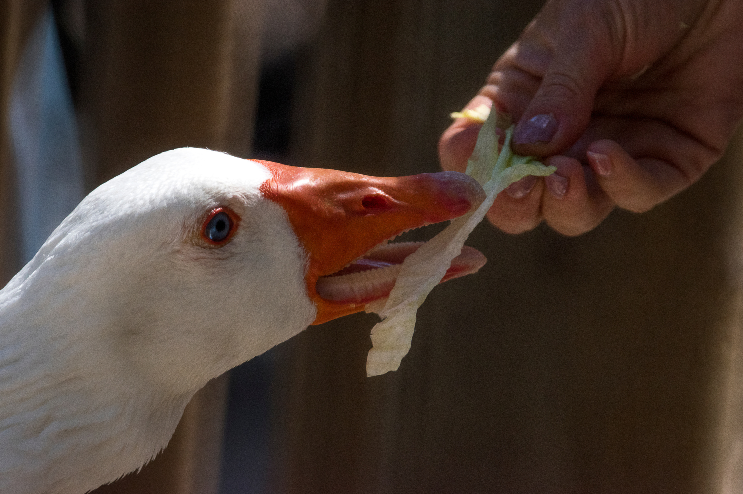
Approach slowly and calmly, speaking softly to avoid startling your goose. Start with brief, low-pressure contact, like sitting nearby or offering treats by hand. Some geese may enjoy gentle chest scratches, while others may prefer not to be touched at all, so pay attention to their body language and respect their comfort level.
Encourage Bonding & Enrichment
Spend time daily providing enrichment, such as water for wading, objects to explore, or safe forage. Offering treats, play, and shared experiences builds positive associations with you.
Watch for signs of trust
Indicators of a bonded goose include following you around, approaching for food or attention, relaxed posture near you, and preening in your presence. These behaviors show your goose feels safe and connected.
Patience is key; bonding with geese depends on both age and consistency. Goslings usually bond quickly, while adult geese may take months to build trust, especially if they weren’t previously socialized. No matter the age, consistent daily interaction through calm feeding, talking, and simply spending time nearby is the most important factor in forming a strong bond.