CHEERFUL CHIRPERS
Finches are the bright, musical personalities of the bird world. Quick, lively, and often colorful, they flit through trees and gather at feeders with cheerful energy. Whether flashing golden yellow in summer or singing from a treetop perch, finches bring movement, color, and joy to gardens, forests, and open fields across North America.
Finches belong to the family Fringillidae, a group of small to medium-sized songbirds known for their strong, conical bills designed for cracking seeds. Most finches are social and often travel in flocks. Many species show bright colors — especially males during breeding season — and are admired for their sweet, warbling songs. While they are primarily seed-eaters, some also feed on buds and insects during nesting season.
FINCH SPECIES
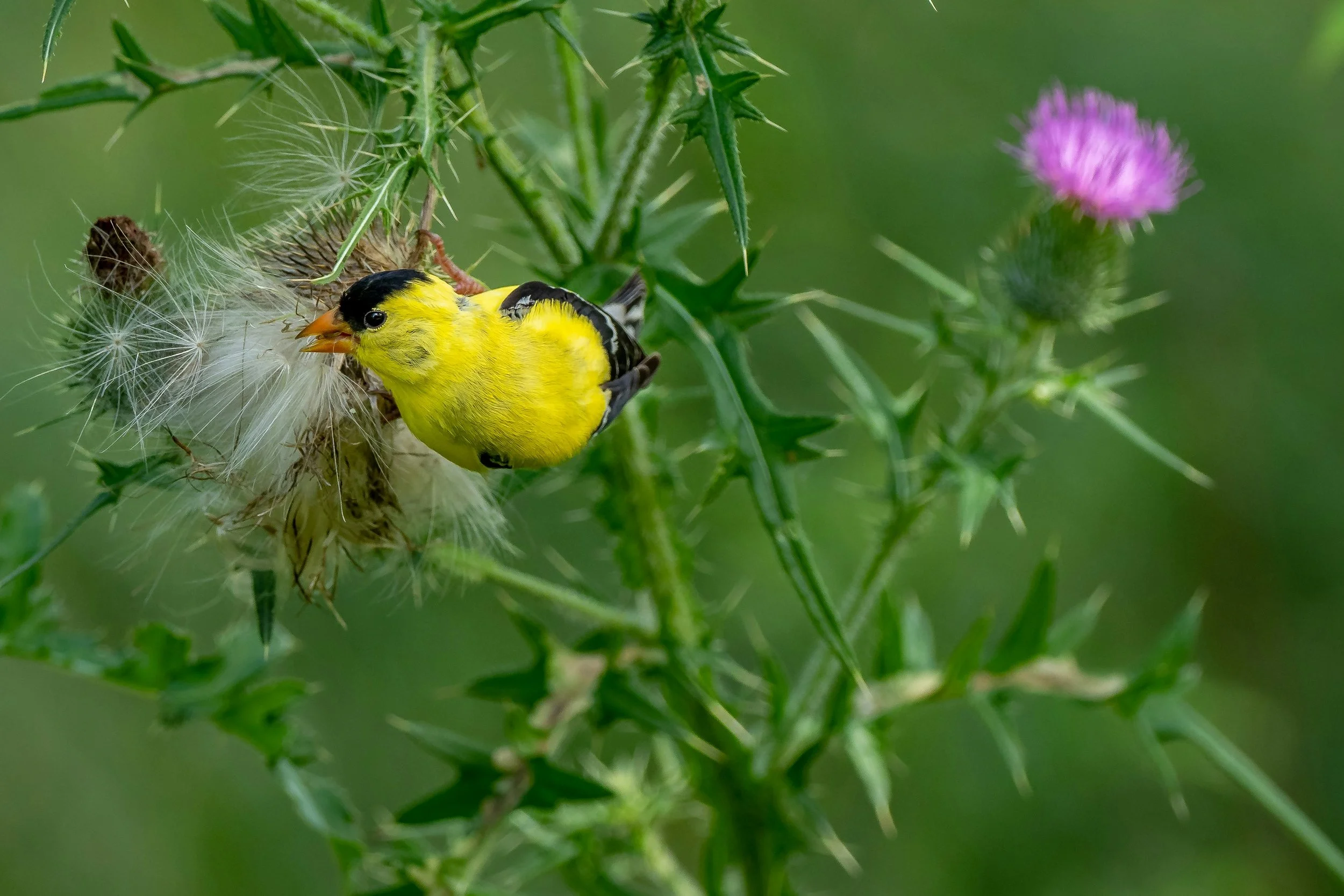
Often called the “wild canary,” the male glows bright yellow in summer with black wings and cap, while females wear softer olive tones. Native to North America, they are common in fields, gardens, and open woodlands, and are frequent, cheerful visitors at backyard feeders.
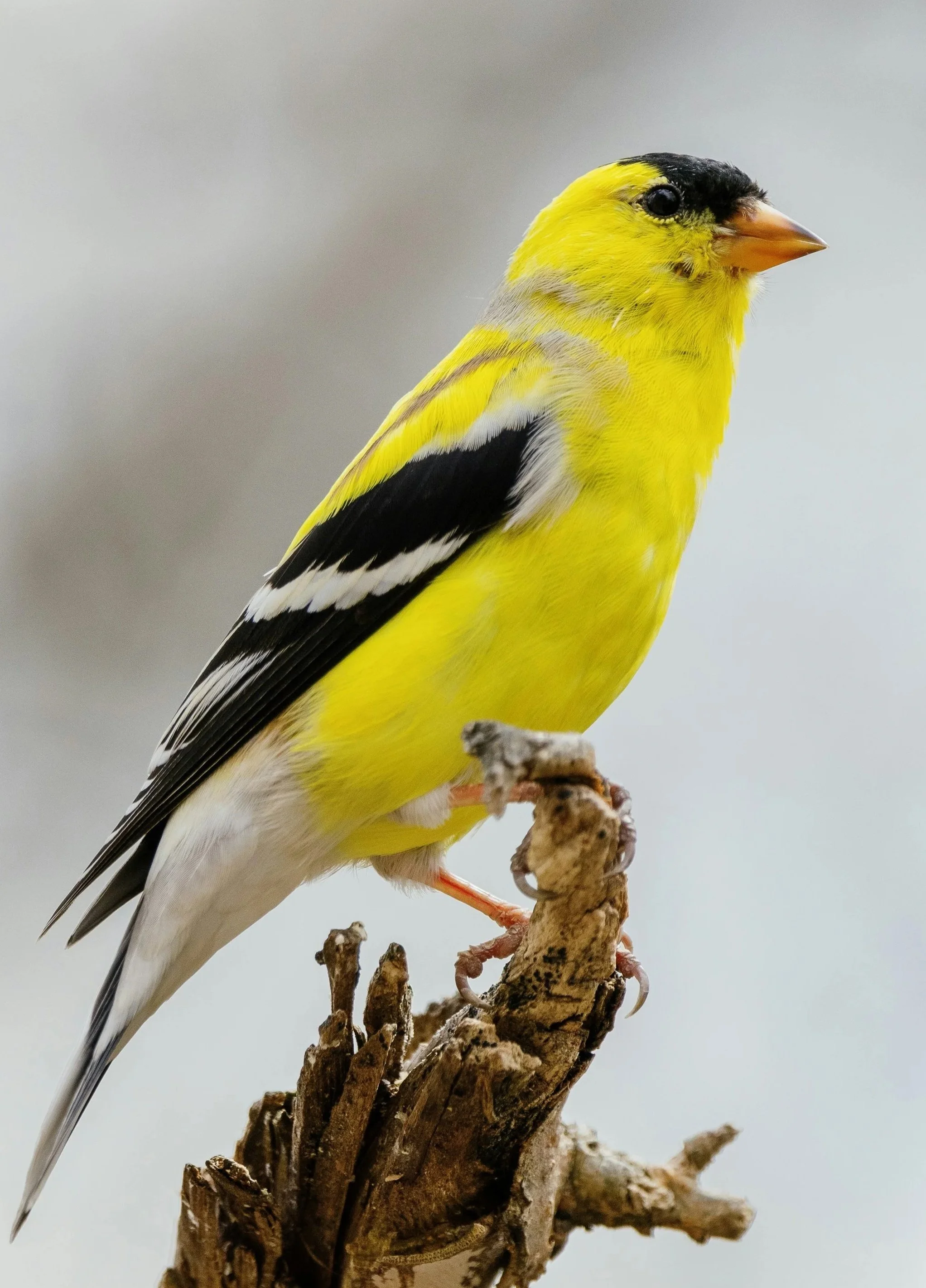
AMERICAN GOLDFINCH
(Spinus tristis)
Large and bold with bright yellow and black plumage and a powerful seed-cracking bill. Native to forests of Canada and the northern United States, they may move south in winter and occasionally appear dramatically at backyard feeders.
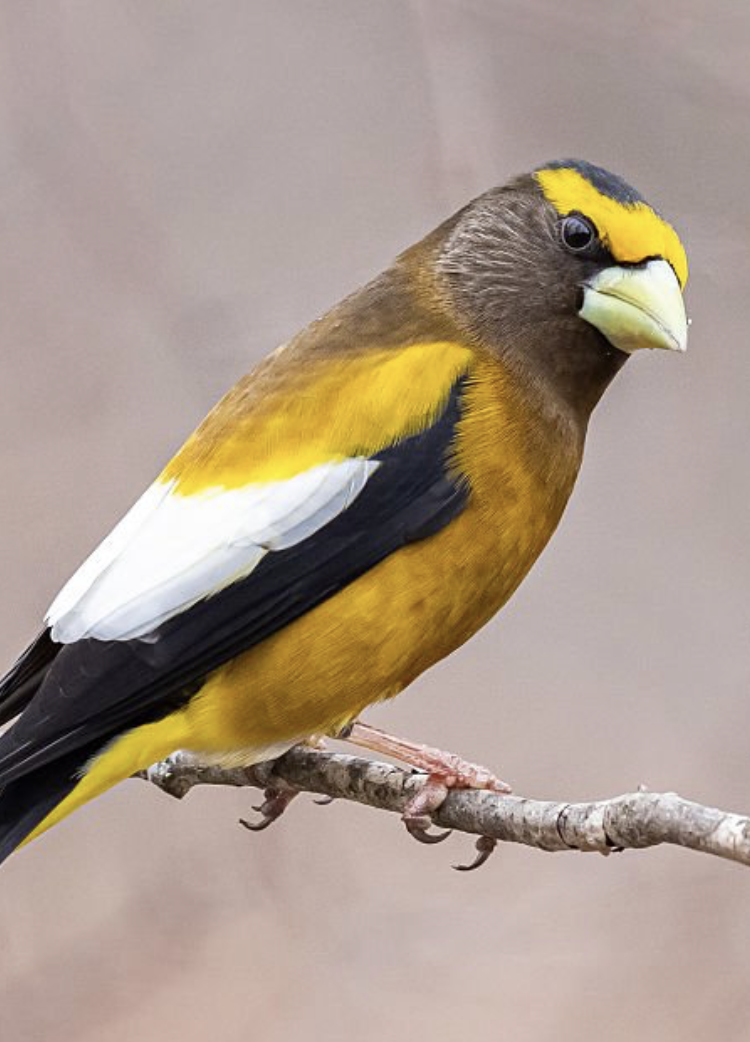
EVENING GROSBEAK
(Coccothraustes vespertinus)
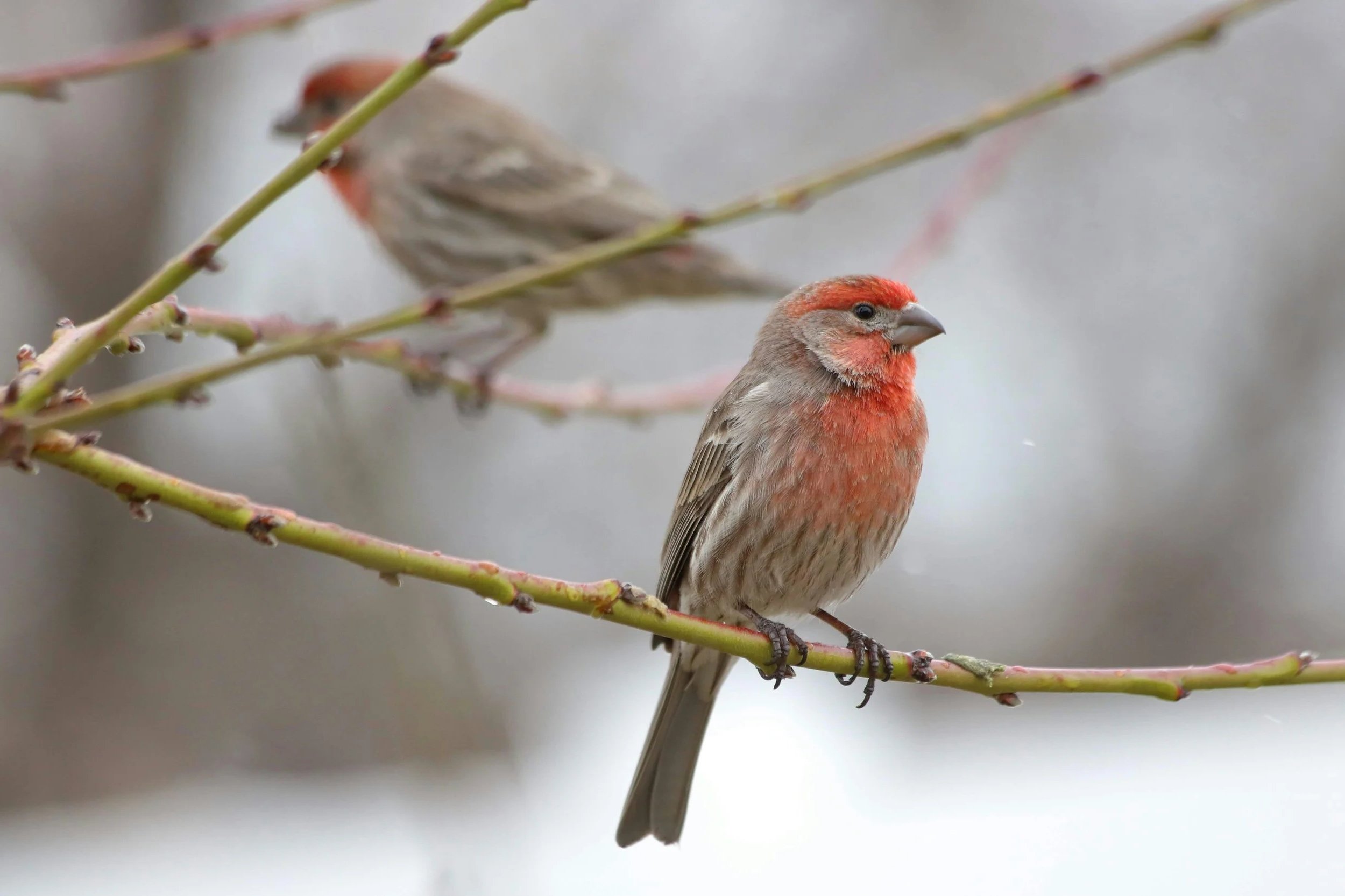
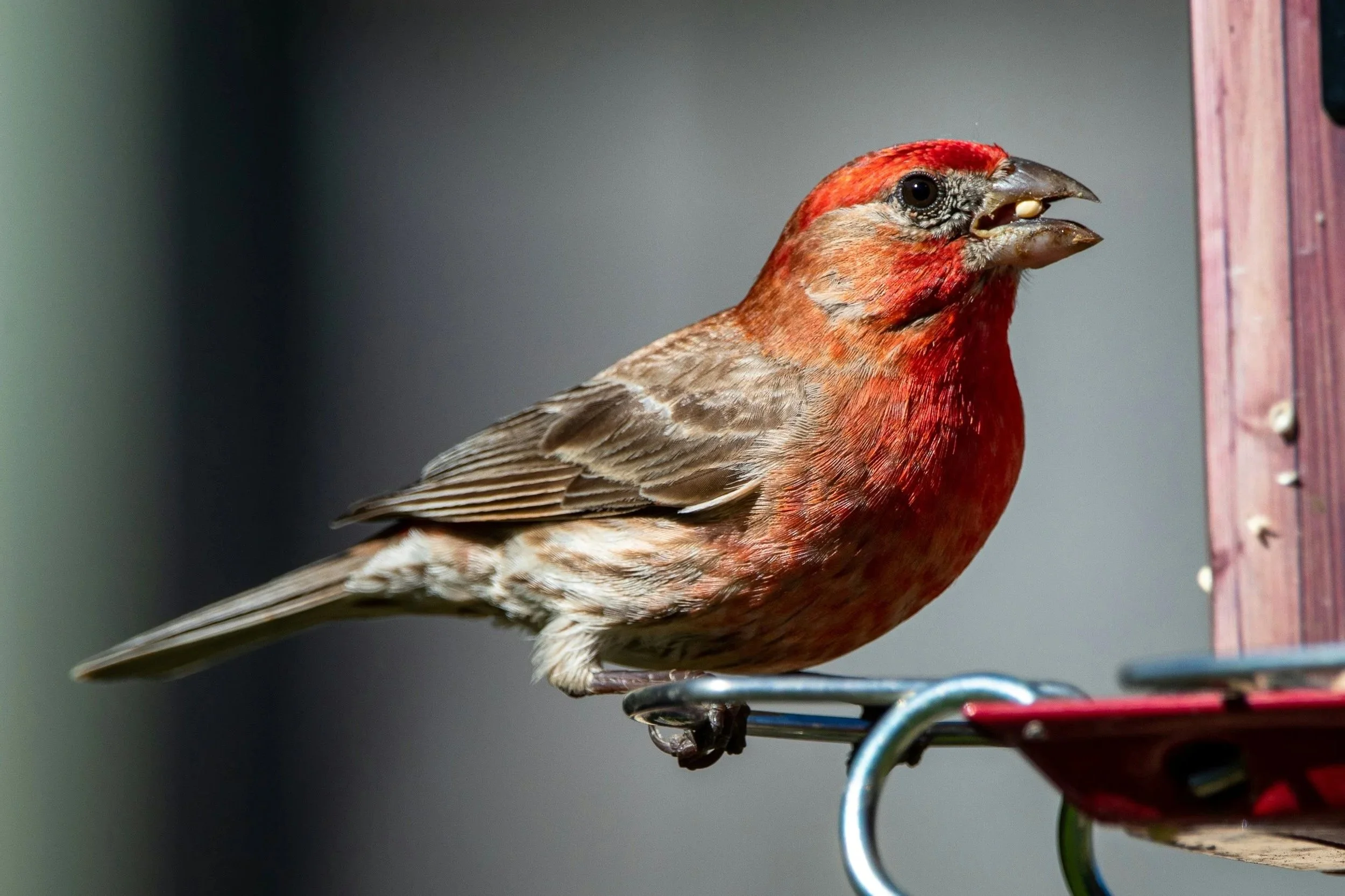
A friendly, adaptable finch with rosy-red coloring on males and streaky brown females. Originally native to the western United States and Mexico, they were introduced to the eastern U.S. and are now widespread in cities, suburbs, and rural areas across much of the country.
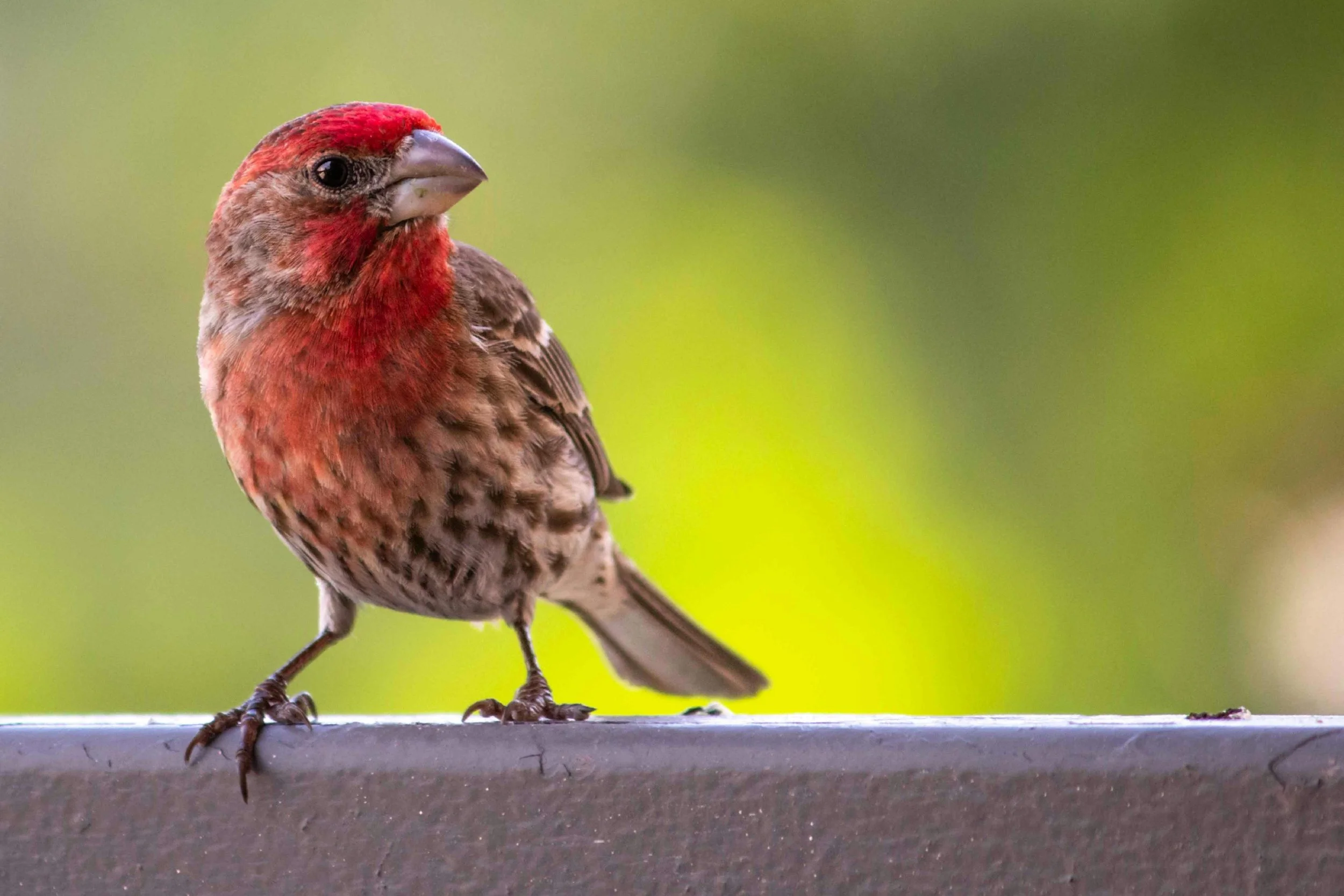
HOUSE FINCH
(Haemorhous mexicanus)
Soft gray and pale yellow tones give this finch a delicate, understated beauty. Native primarily to California and nearby western regions, it prefers dry hillsides, valleys, and open woodlands.
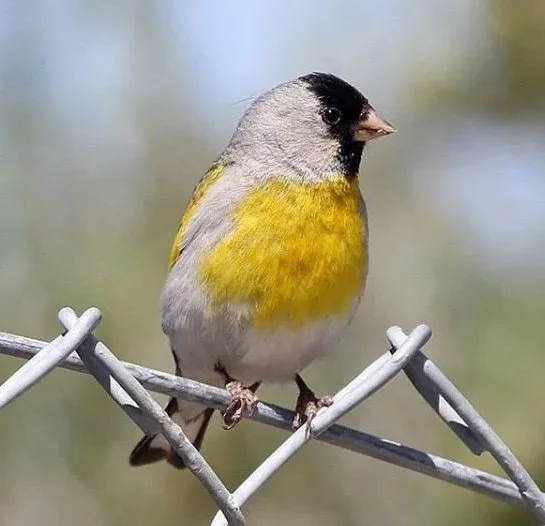
LAWRENCE’S GOLDFINCH
(Spinus lawrencei)
Smaller than the American Goldfinch, with bright yellow underparts and a black cap, this lively finch is native to the western United States, Mexico, and Central America. It thrives in open woodlands, scrub, and backyard feeders.
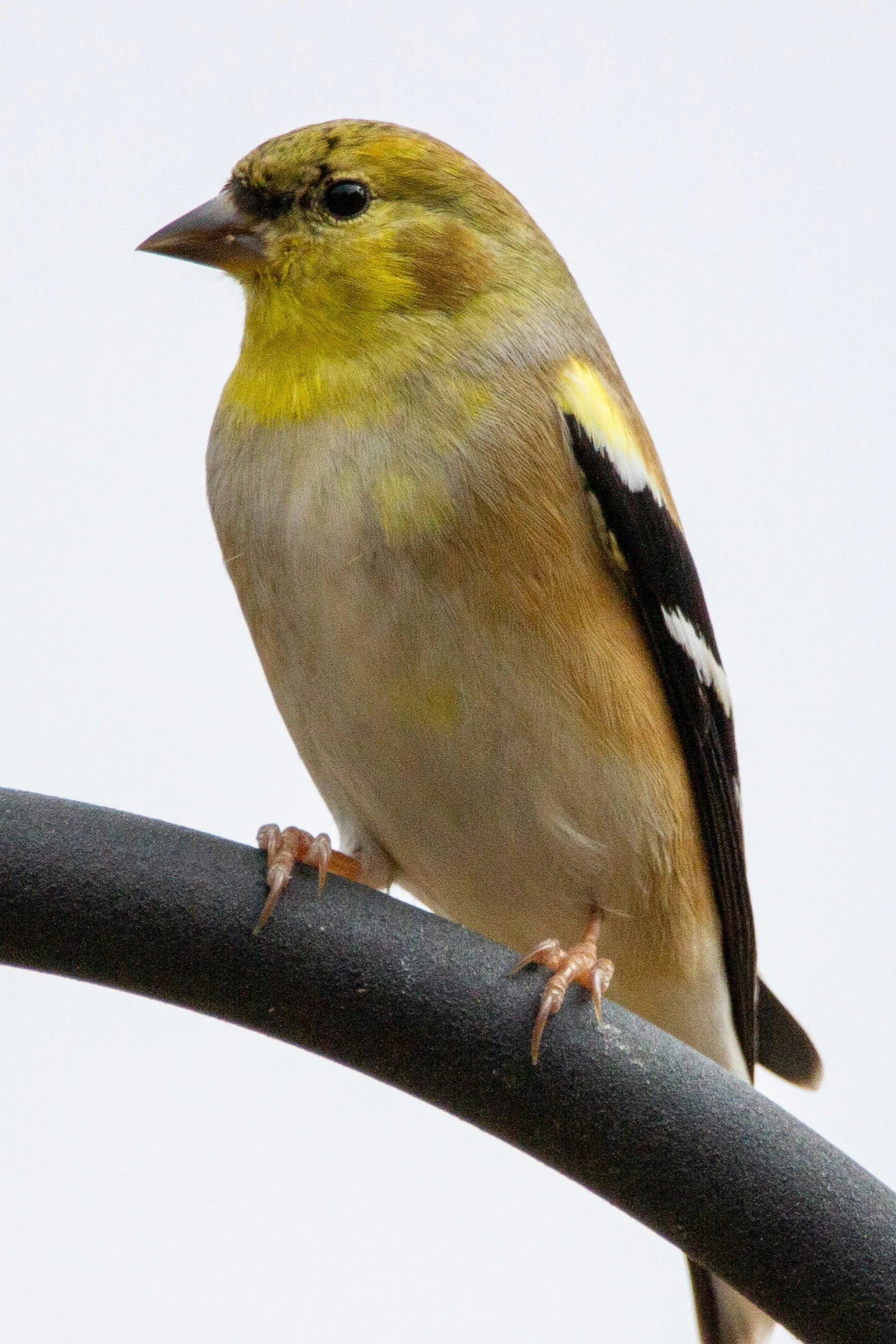
LESSER GOLDFINCH
(Spinus psaltria)
Tiny, streaky, and energetic, with flashes of yellow in the wings, Pine Siskins are native to Canada and the northern United States. They are nomadic and may travel in lively flocks across the continent in search of seed-rich areas.
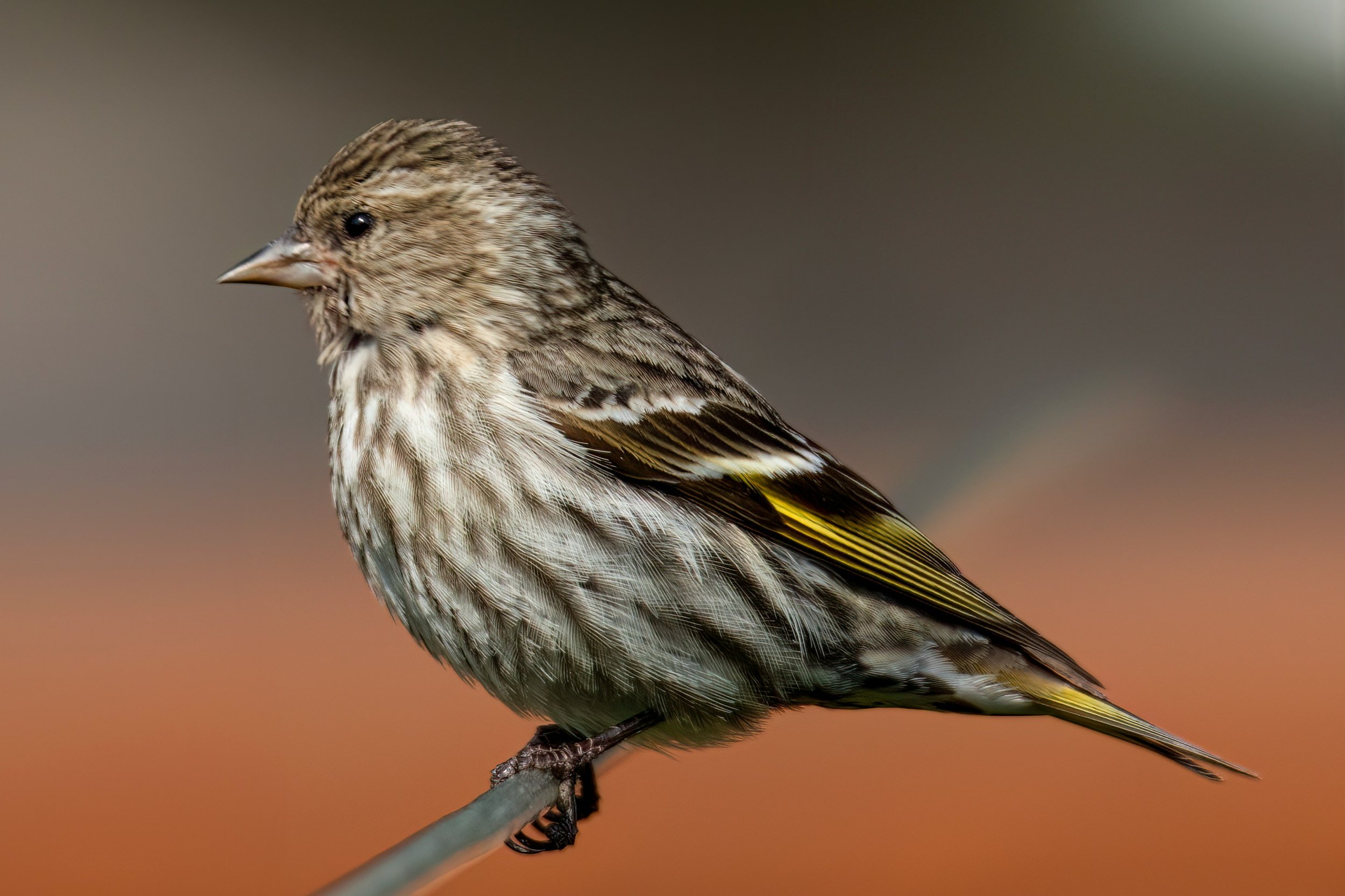
PINE SISKIN
(Spinus pinus)
The male looks as though it has been dipped in raspberry juice, while the female wears soft brown streaks. Native to Canada and the northern United States, they prefer forested areas and often move south during winter months.
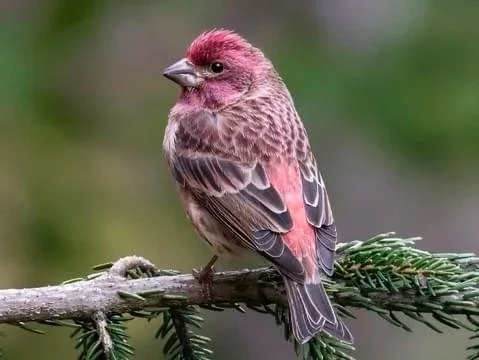
PURPLE FINCH
(Haemorhous purpureus)
A fascinating forest specialist with a uniquely crossed bill designed for prying open pine cones. Native to conifer forests of northern and western North America, they move according to cone crops rather than following strict migration routes.
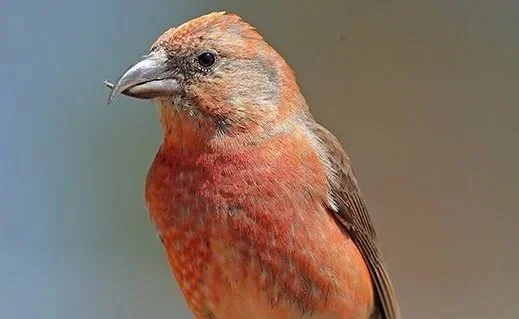
RED CROSSBILL
(Loxia curvirostra)
FACT OR FICTION?
-
FACT. Their thick, conical bills are specially designed to break open tough seeds with ease.
-
FACT. Many finches are admired for their sweet, musical warbles.
-
FICTION. Some migrate seasonally, others stay year-round, and some move unpredictably depending on food availability.
-
FACT. In many species, males display brighter colors during breeding season to attract mates.
WHY FINCHES MATTER.
Finches are essential seed dispersers, helping plants regenerate and ecosystems thrive. By feeding on insects during nesting season, they also contribute to natural pest control. They provide food for larger birds and mammals, forming an important link in the food chain. Beyond their ecological value, finches bring color, music, and liveliness to the landscapes they inhabit — a small but radiant reminder of nature’s richness.