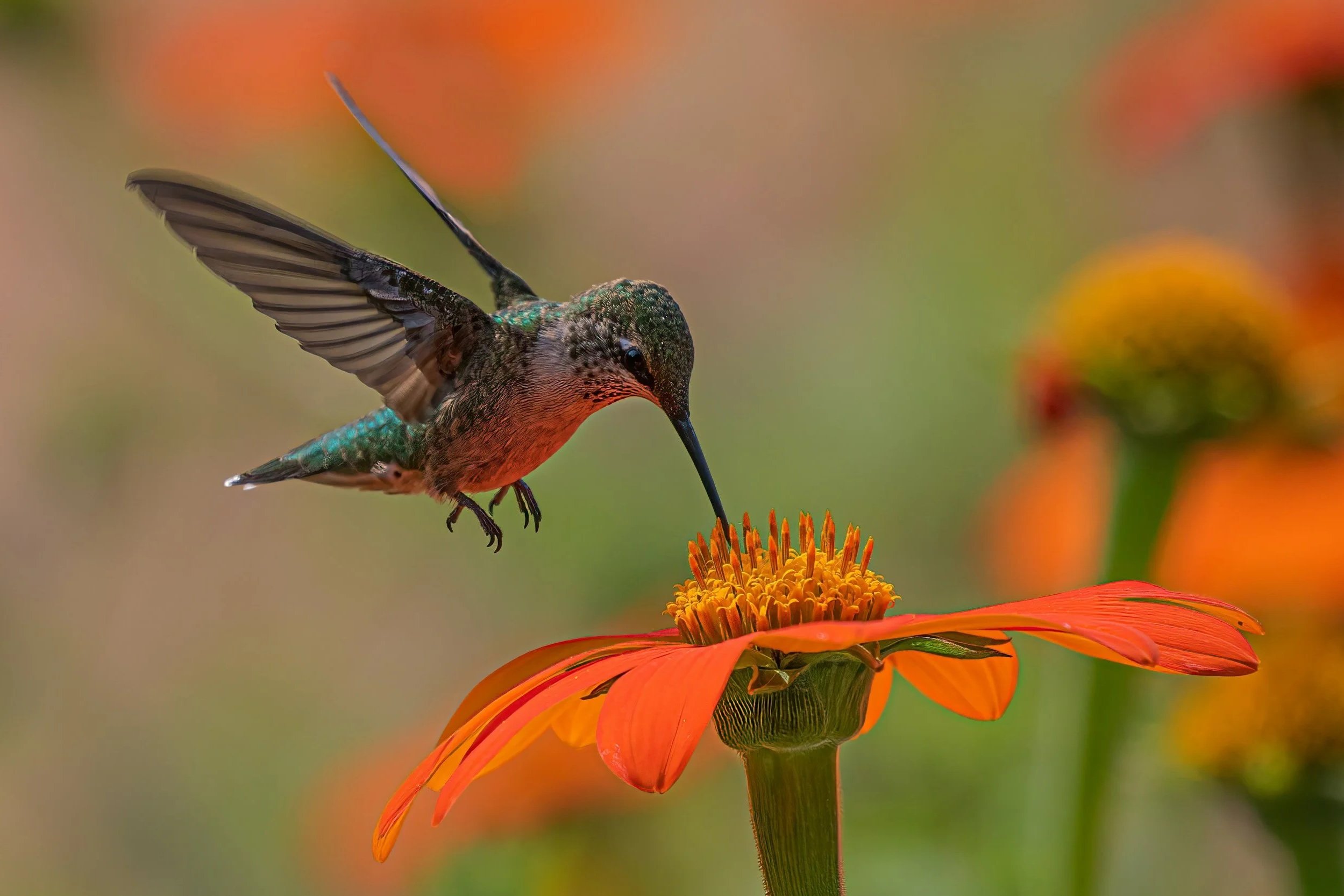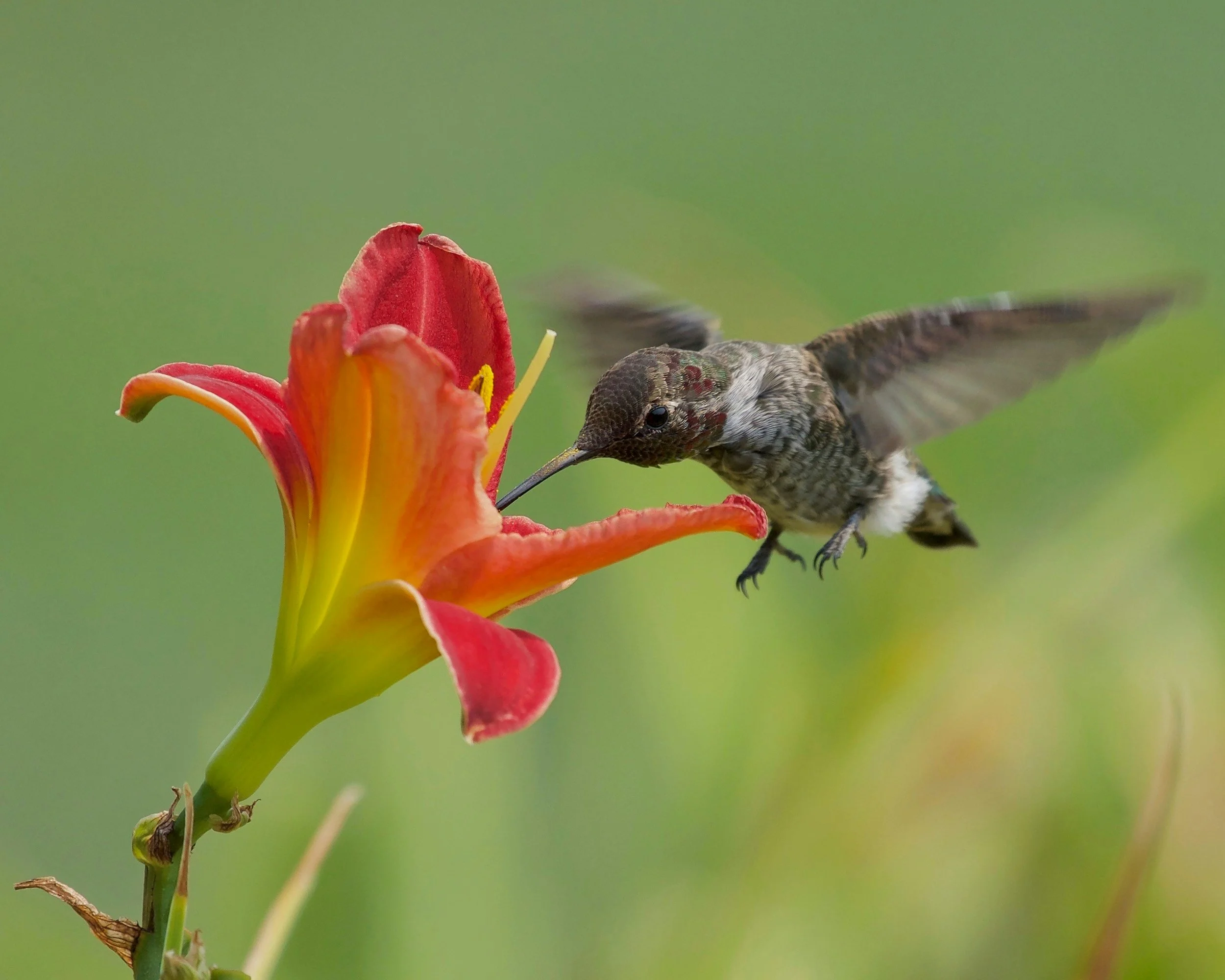
Hummingbirds are among the smallest birds in the world — and easily some of the most dazzling. With shimmering feathers, lightning-fast wings, and the ability to hover in midair, they seem almost magical. Found only in the Americas, these energetic little birds bring flashes of color and life to gardens, forests, deserts, and mountain meadows.
tiny jewels
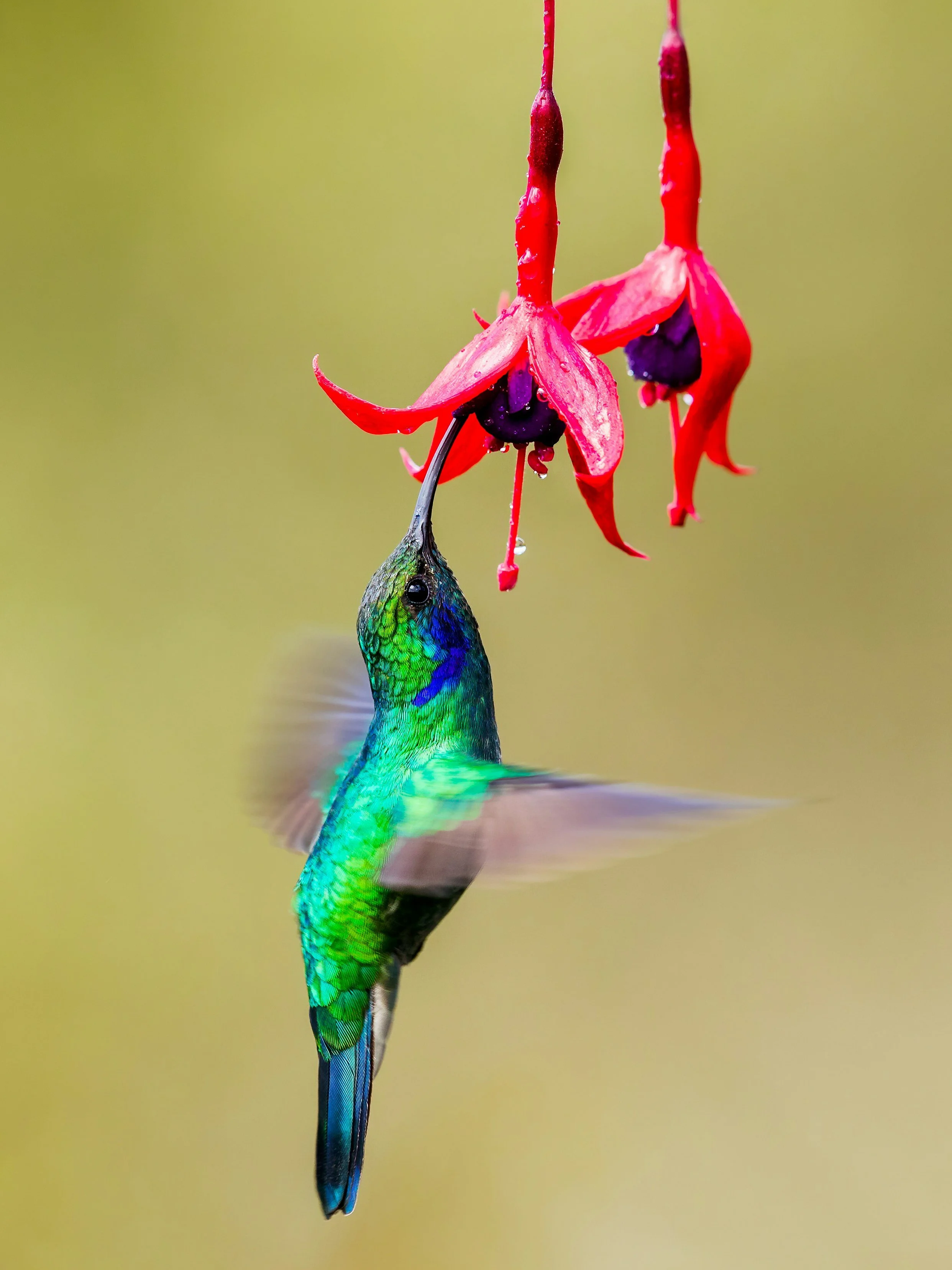
FACT OR FICTION?
-
FACT. They are the only birds capable of true backward flight.
-
FICTION. While nectar fuels their high metabolism, they also eat small insects and spiders for protein.
-
FICTION. Though energetic, they do rest and can enter a state called torpor at night to conserve energy.
-
FACT. Hummingbirds have excellent memory and can recall feeding locations — and sometimes the humans who maintain them.
-
FACT: Their hearts can beat over 1,200 times per minute during flight to support their rapid wing movement and high metabolism. At rest — especially during torpor at night — their heart rate slows dramatically to conserve energy.
-
FACT: While they’re tiny, some species — like the Rufous Hummingbird — can reach speeds of 30–40 mph in level flight, and even faster during courtship dives. Their speed, paired with rapid wingbeats, makes them astonishing aerial athletes.
COMMON HUMMINGBIRDS
Below are some of the most familiar hummingbirds in North America, listed in alphabetical order.
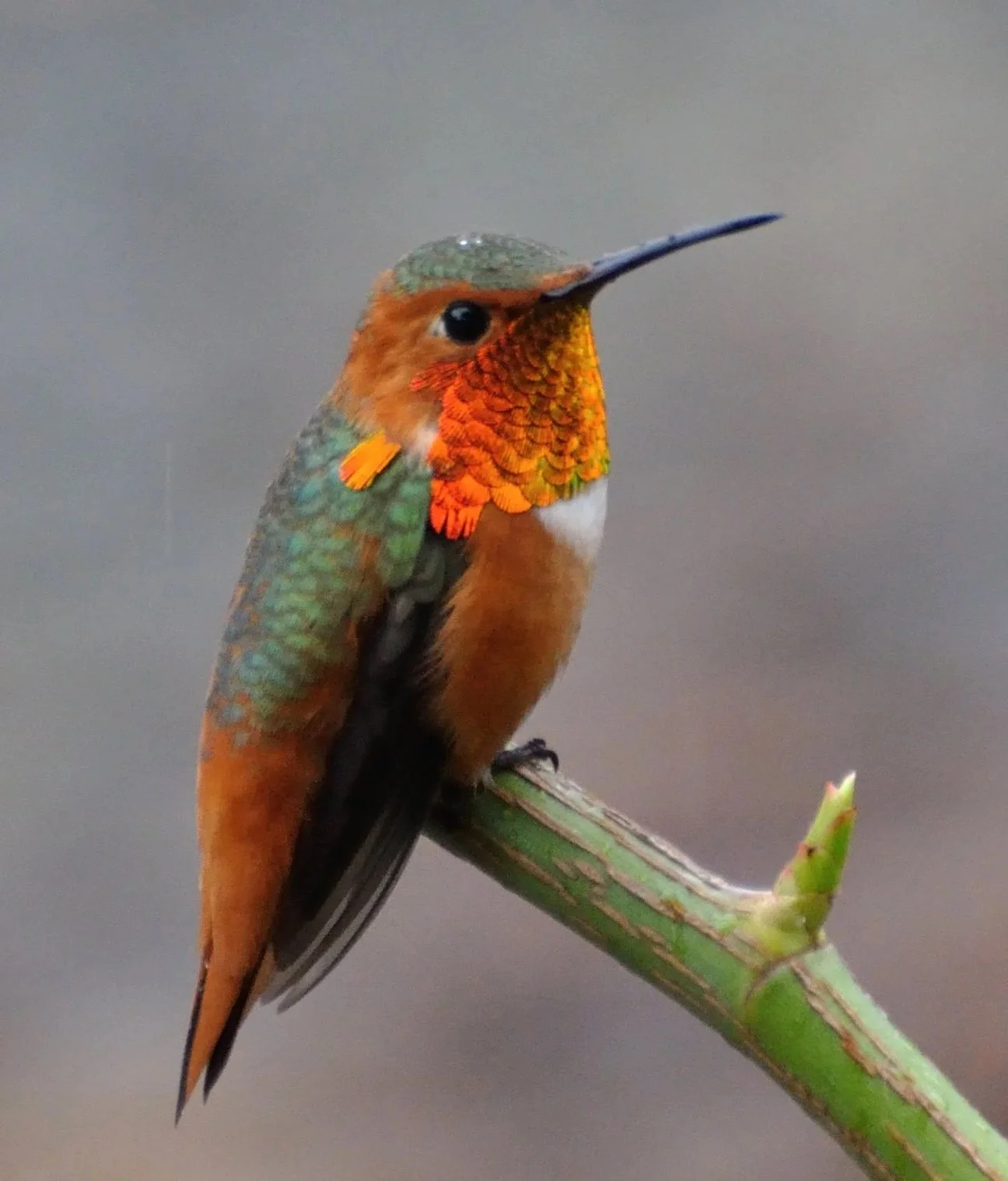
Allen’s Hummingbird
(Selasphorus sasin)
A compact, fiery little bird. Males glow with coppery-orange and green, while females wear softer green tones. Native primarily to coastal California and southern Oregon, many migrate to Mexico for winter. They love coastal scrub and backyard feeders.
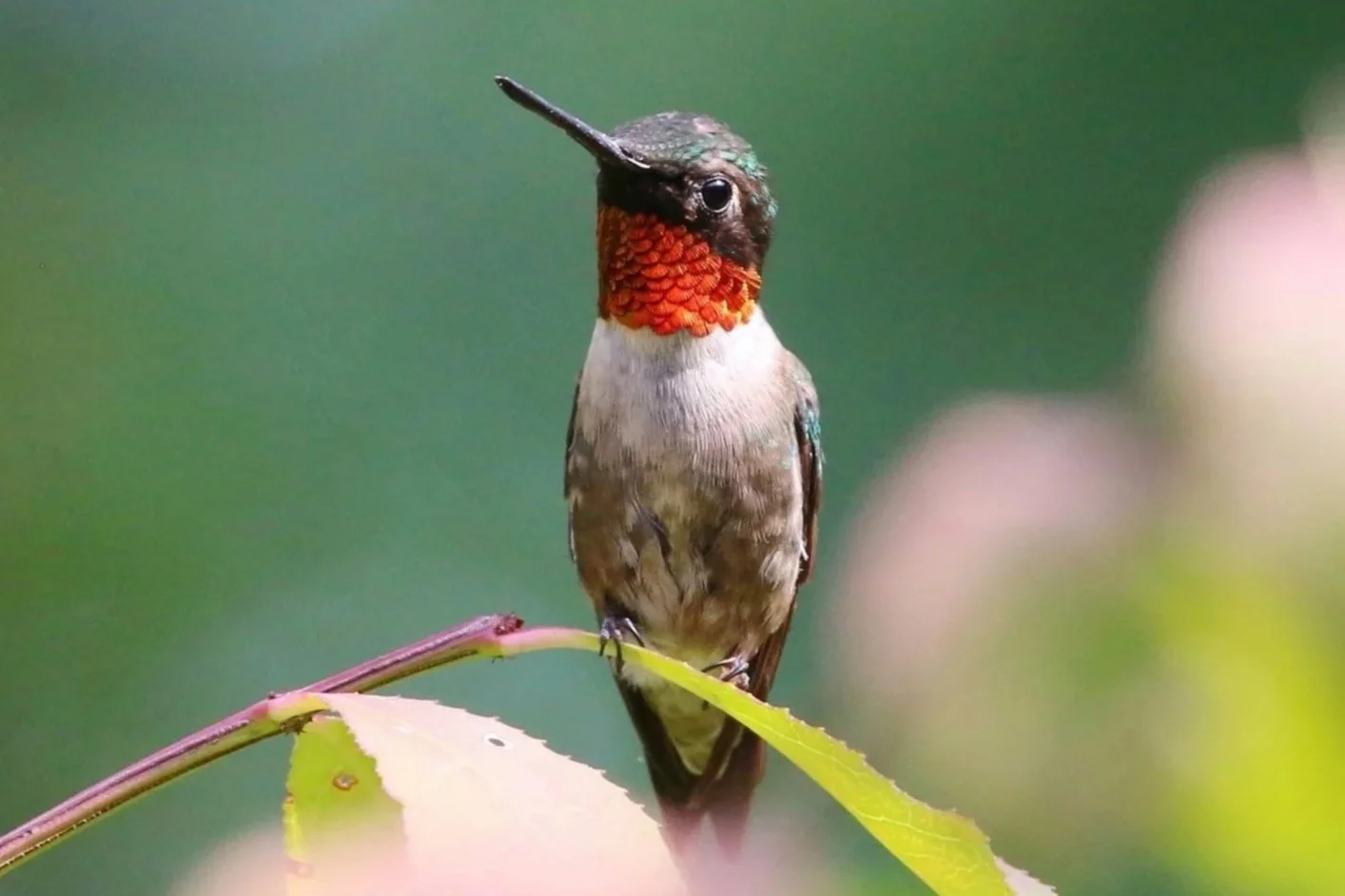
RUBY-THROATED HUMMINGBIRDS
(Archilochus colubris)
Perhaps the most familiar in the eastern United States. Males display a brilliant ruby-red throat. They breed throughout the eastern U.S. and Canada and migrate to Central America, some flying nonstop across the Gulf of Mexico.
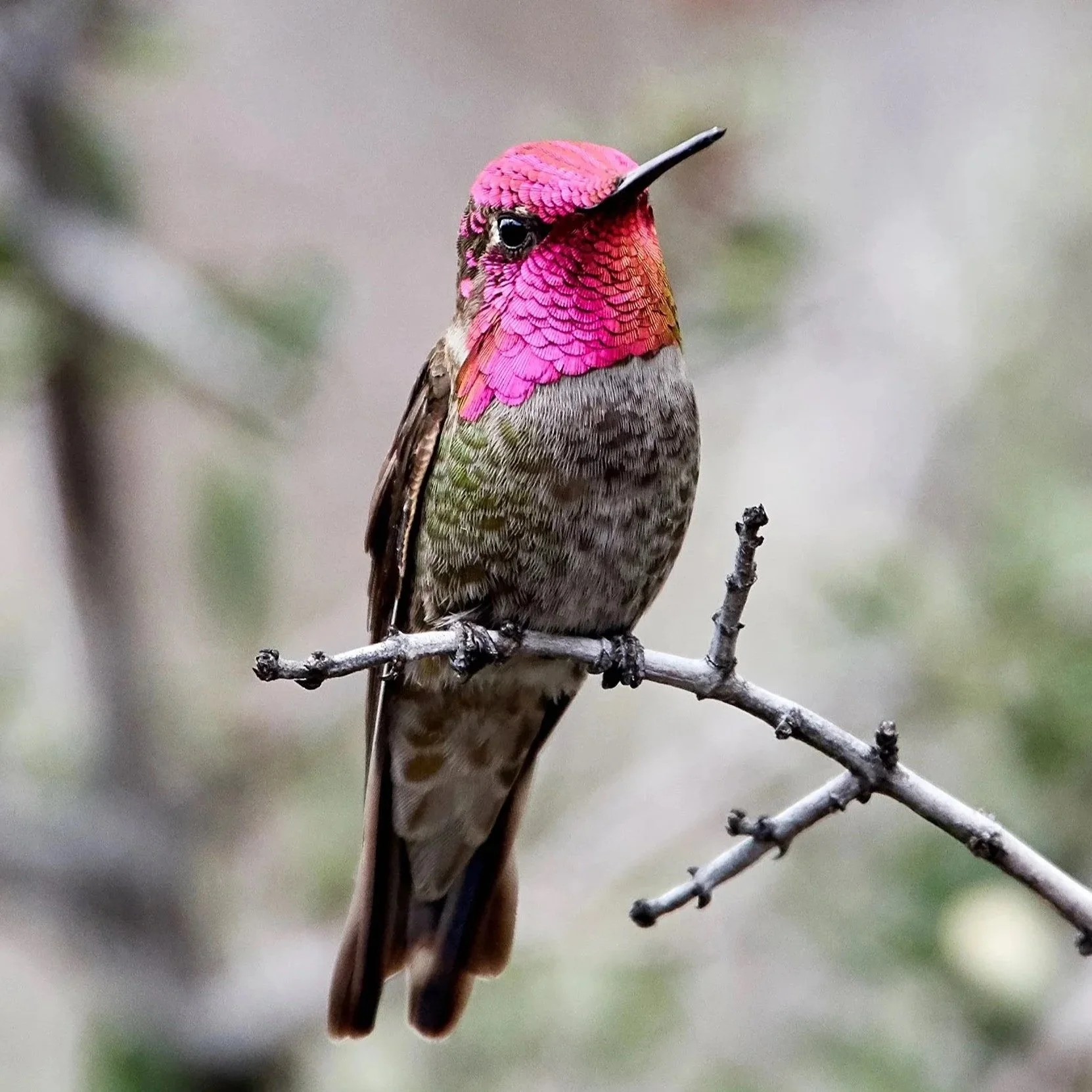
ANNA’S HUMMINGBIRD
(Calypte anna)
Bright and bold, the male’s rose-pink throat and crown shimmer in the sun. Native to the western United States, especially California and the Pacific Northwest, Anna’s Hummingbirds are increasingly year-round residents in mild climates and frequent garden feeders.
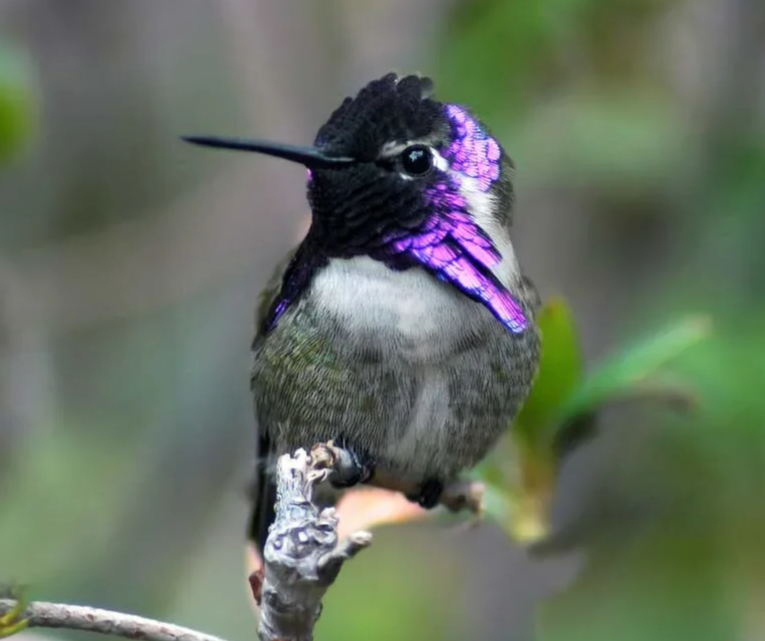
COSTAS HUMMINGBIRDS
(Calypte costae)
A desert jewel. Males flash vivid purple crowns and flared throat feathers. Native to the deserts of the southwestern U.S. and northwestern Mexico, they thrive among cacti and arid shrubs.
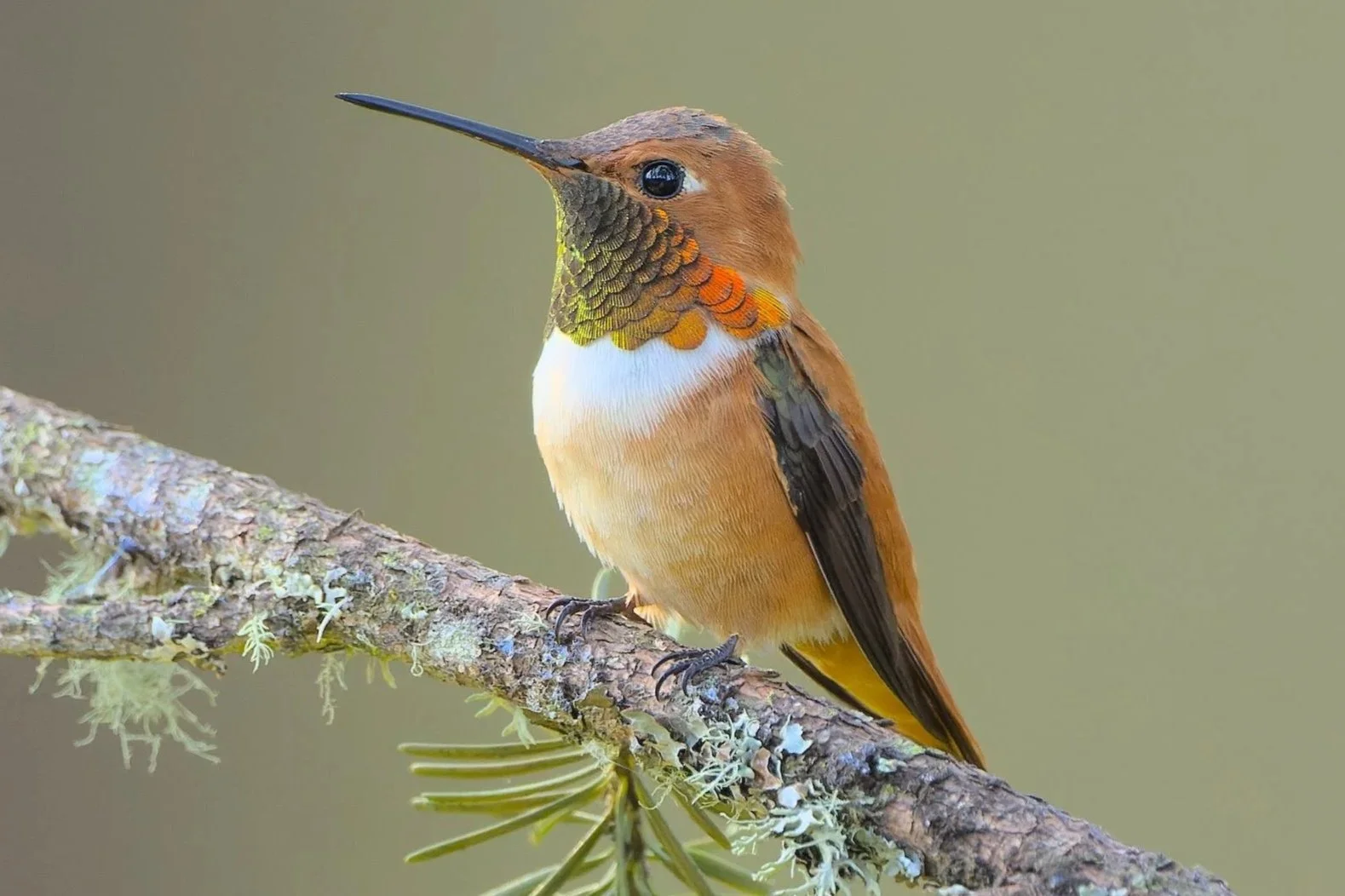
RUFOUS HUMMINGBIRD
(Selasphorus rufus)
Feisty and fearless, with bright copper-orange plumage. Native to western North America, they undertake one of the longest migrations relative to body size, traveling from Alaska and Canada down to Mexico.
The smallest bird in the United States. Males have striking magenta streaks radiating from the throat. They breed in the northwestern U.S. and western Canada and migrate all the way to Mexico — an incredible journey for such a tiny traveler.
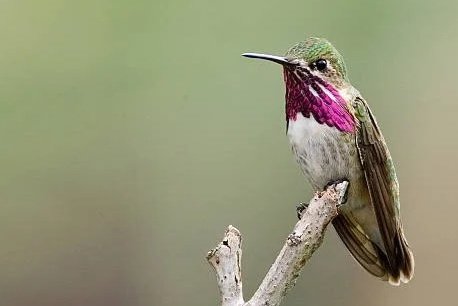
CALLIOPE HUMMINGBIRD
(Selasphorus calliope)
Subtle yet striking, males flash a deep violet band beneath a dark chin. They breed across the western and southwestern United States, favoring open woodlands, deserts, and even backyard gardens before migrating to Mexico for winter.
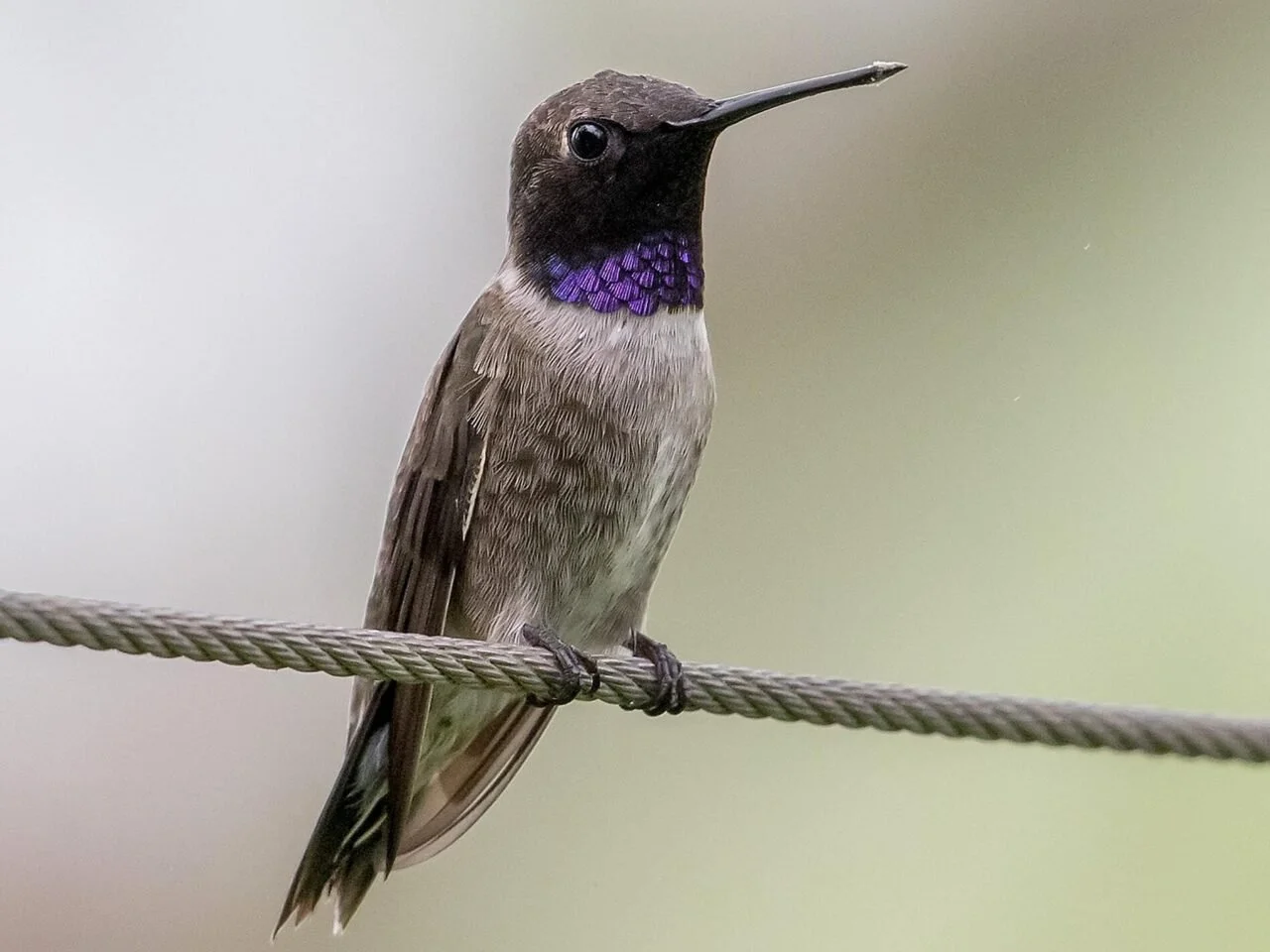
Black-chinned Hummingbird
(Archilochus alexandri)
Known for the metallic trill made by its wings in flight. Males display brilliant rosy-red throats. Native to the Rocky Mountains and higher elevations of the western U.S., they favor mountain meadows and forest edges.
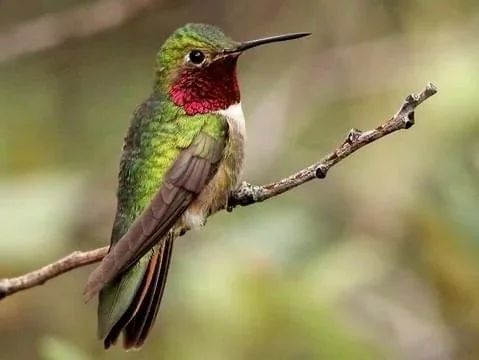
BROAD-TAILED HUMMINGBIRD
(Selasphorus platycercus)
WHY HUMMINGBIRDS MATTER.
Hummingbirds are essential pollinators. As they feed on nectar, they transfer pollen from flower to flower, helping plants reproduce and supporting healthy ecosystems. Many native plants rely specifically on hummingbirds for pollination.
Beyond ecology, hummingbirds inspire wonder. Their resilience — traveling thousands of miles despite their size — reminds us that strength does not depend on stature. In gardens, they connect people more deeply to nature, encouraging habitat conservation and appreciation for native plants.