DOVE OR PIGEON?
Doves and pigeons are some of the most familiar birds we share our communities with. Frequently misunderstood, they are intelligent, adaptable, and play an important role in our environment. Here, we take a closer look at doves and pigeons, especially Rock Doves commonly found in urban areas.
WHAT’S THE DIFFERENCE?
Doves and pigeons belong to the same bird family: Columbidae.
Smaller species are more often called doves.
Larger or stockier species are more often called pigeons
There is no biological difference between a dove and a pigeon.
NOTHING.
COMMON COLUMBIDAE
Several species of doves and pigeons are commonly seen across North America. The two most familiar are the Rock Dove—often called the city pigeon—and the Mourning Dove, a native species known for its soft coloring and gentle call.
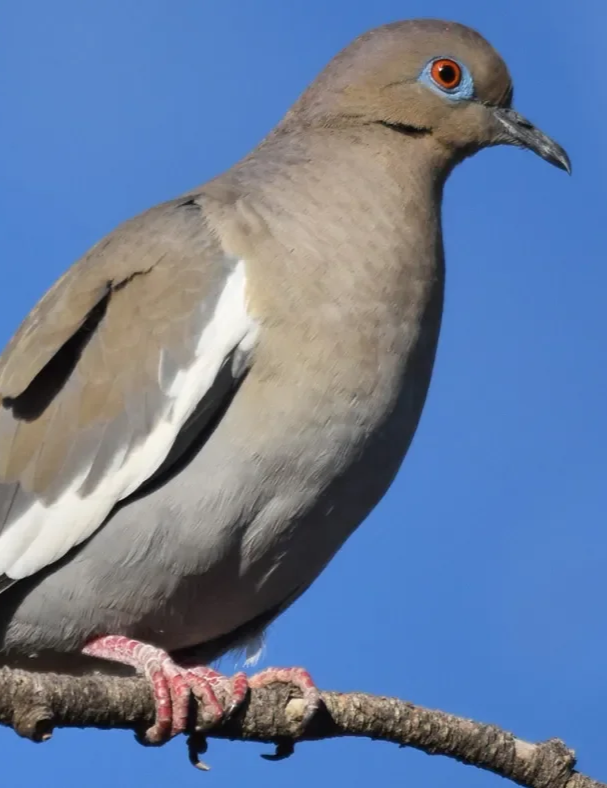
WHITE-WINGED DOVE
(Zenaida asiatica)
A native species identified by its white wing stripe, most commonly found in the southern United States in open and suburban habitats.
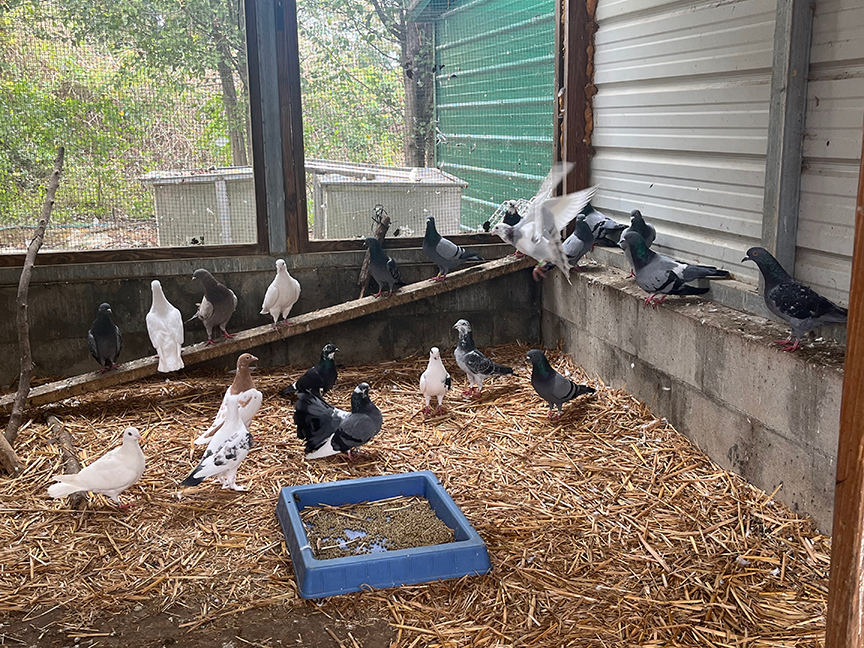
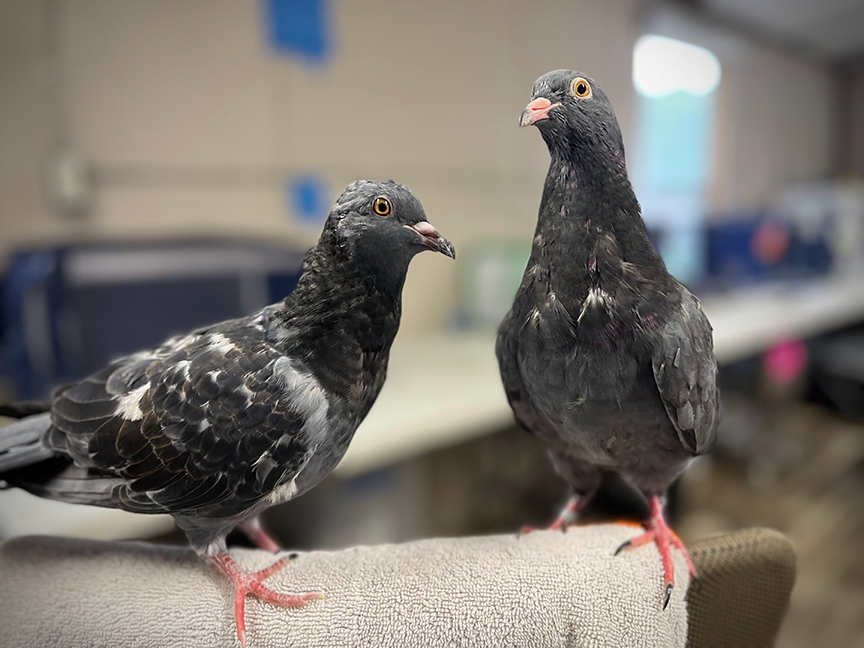
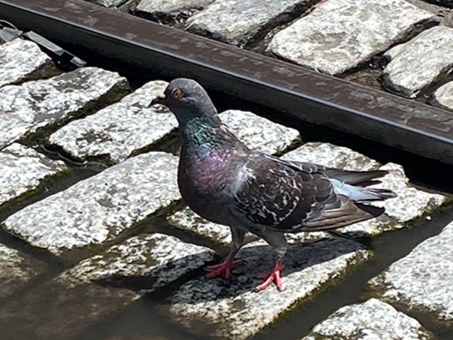
Rock Doves are the descendants of domesticated pigeons brought to North America by humans. Although often treated as pests, they are intelligent, social birds that rely heavily on human environments to survive.
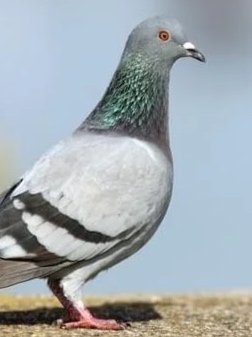
ROCK DOVE
(Columba livia)
Known for their gentle appearance and haunting call, Mourning Doves are one of the most widespread native birds in the U.S.
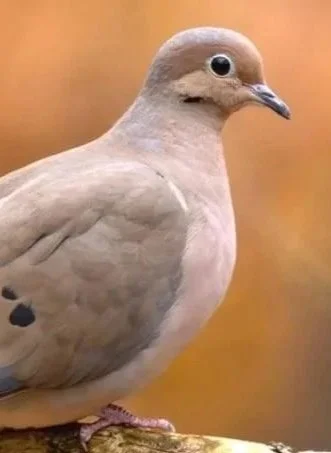
MOURNING DOVE
(Zenaida macroura)
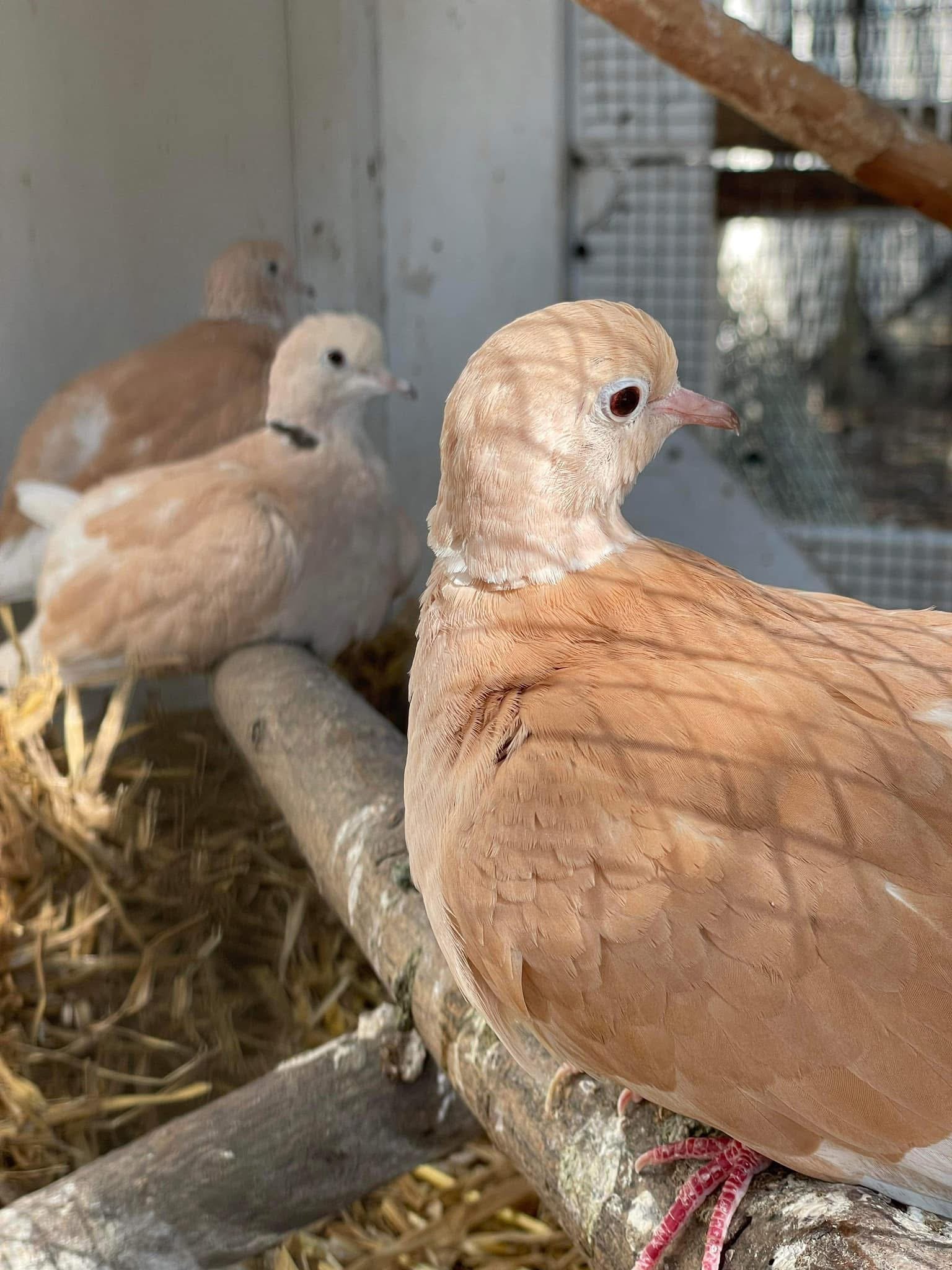
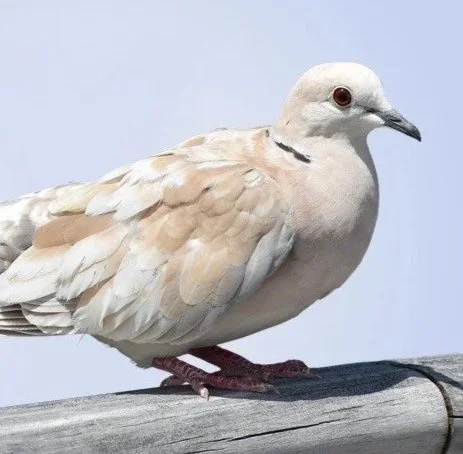
A non-native dove recognized by its black neck collar. Since its introduction, it has spread quickly across much of North America and is often seen in developed and agricultural areas.
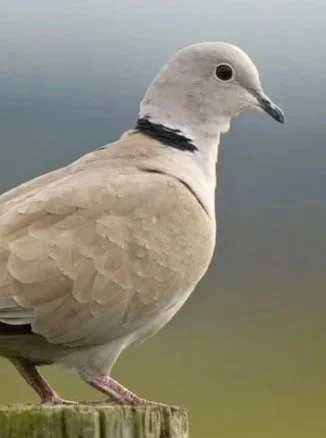
Eurasian Collared‑Dove
(Streptopelia decaocto)
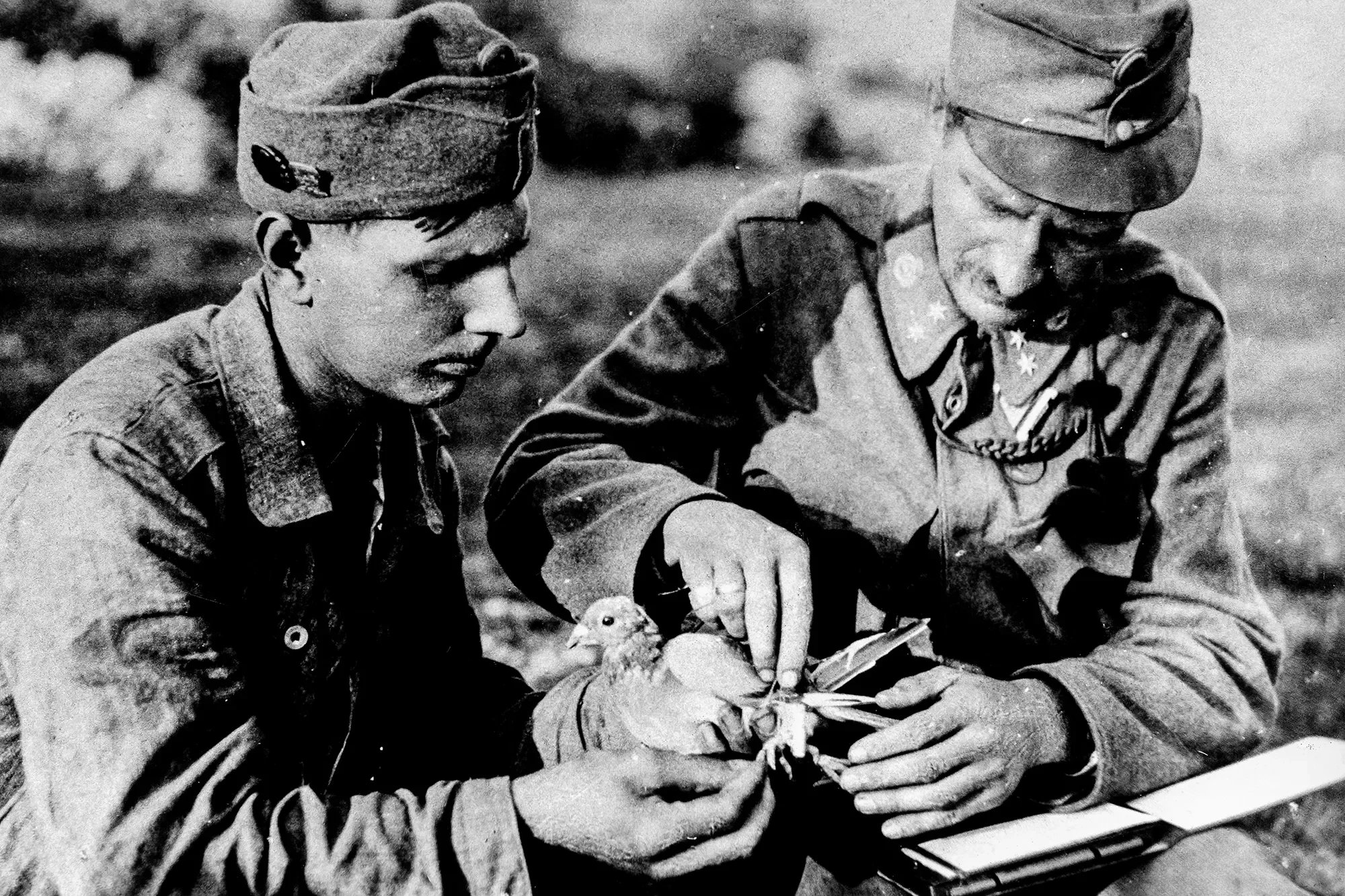
For thousands of years, pigeons have worked alongside humans, carrying messages across vast distances and even through active war zones. Their bravery and reliability changed the course of history. Through our Wings That Won the War program, we share these powerful stories and celebrate the extraordinary contributions of pigeons past and present.
PIGEONs in history
FACT OR FICTION?
-
FICTION. Pigeons are no dirtier than most urban birds. They preen regularly and avoid nesting in filthy areas when alternatives exist. Their reputation comes from living close to humans—not from poor hygiene.
-
FICTION. The risk of disease transmission from pigeons to humans is extremely low. Most illnesses associated with pigeons are rare and typically linked to prolonged exposure in enclosed, unsanitary conditions—not casual outdoor contact.
-
FICTION. Rock Doves were brought here by humans and adapted to the environments we created. They did not choose urban life; it was shaped for them. As a result, they depend heavily on human structures for shelter and nesting.
-
FACT. Pigeons have an extraordinary homing ability, using landmarks, the sun, and even the Earth’s magnetic field to navigate. They can travel many miles and reliably return to their home lofts.
-
FICTION. Pigeons are surprisingly intelligent birds. They can solve complex problems, remember specific locations for long periods, distinguish between individual human faces, and even recognize themselves in mirrors—showing advanced learning and memory skills.
-
FACT. Many pigeons form strong, long-term pair bonds and often mate for life. Both parents share duties like building the nest, incubating eggs, and feeding their young with nutrient-rich crop milk, making them devoted partners and attentive caregivers.
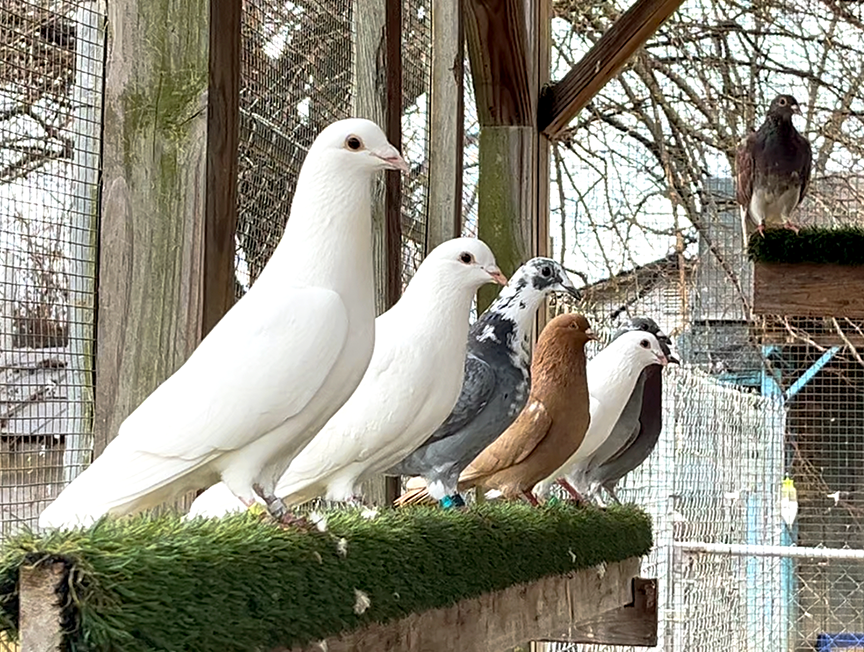
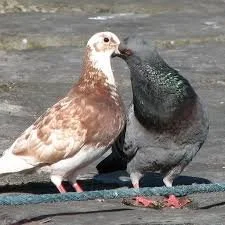
Some doves and pigeons can make gentle, rewarding pets for the right homes.
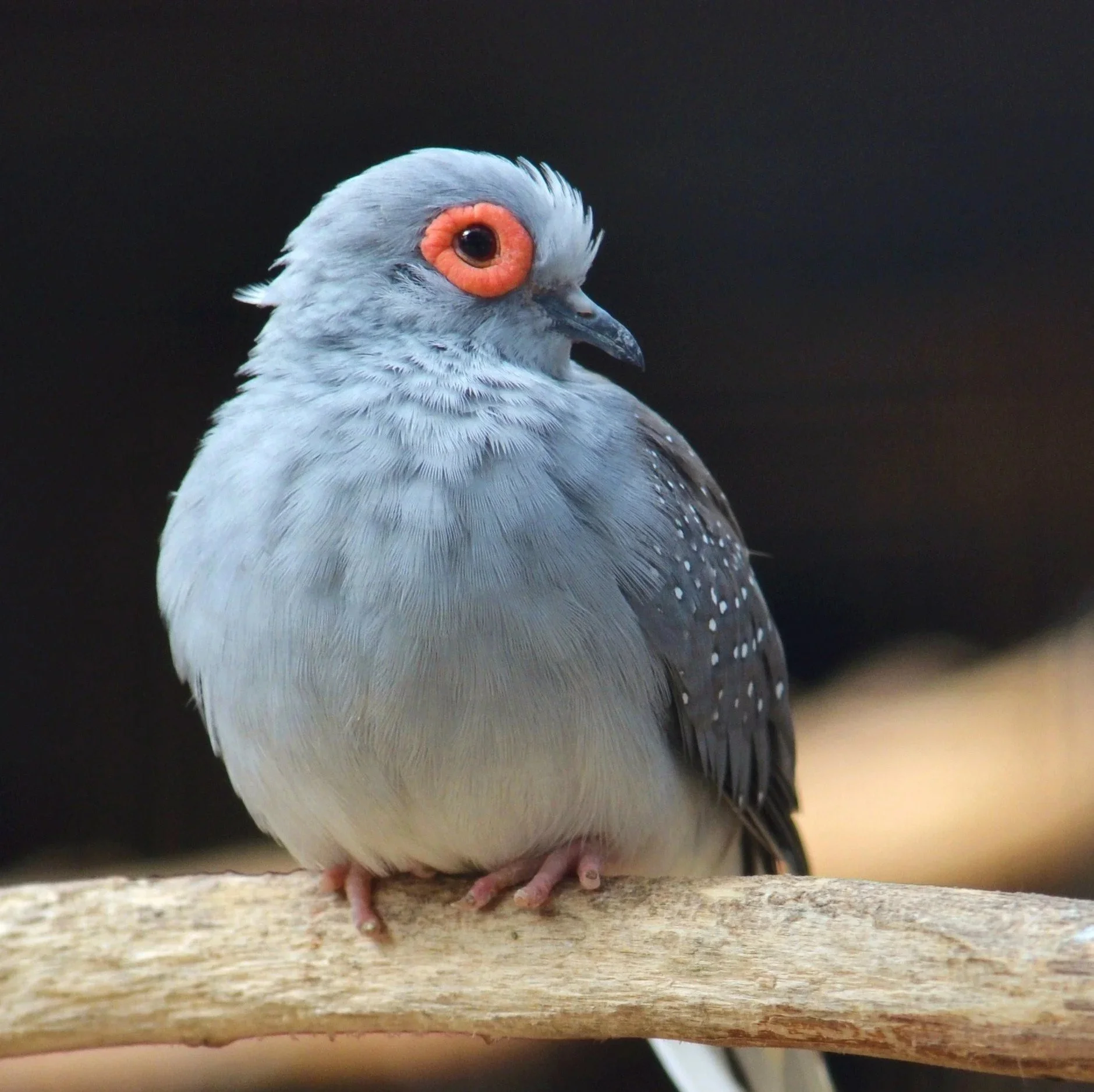
Several types of doves are commonly kept as pets. The most popular include Barbary Doves (commonly called Ringneck Doves,) known for their gentle temperament and soft cooing, and Diamond Doves, which are smaller, colorful, and easy to care for. Some people also keep domesticated or imprinted Rock Doves. All pet doves benefit from proper housing, a balanced diet, social interaction, and regular veterinary care.
If you’re considering adding a dove to your family, visit our Adoption Page to see available birds and learn more about their care, housing, and lifelong needs. Proper preparation ensures these intelligent, social birds thrive in a loving environment.
KEEPING DOVES
WHY EDUCATION MATTERS.
Doves and pigeons have lived alongside humans for thousands of years—as messengers, companions, food sources, and symbols of peace. Understanding the truth about these birds helps reduce unnecessary harm, improves coexistence, and ensures that injured or displaced birds receive appropriate care.