KING OF SNAKES
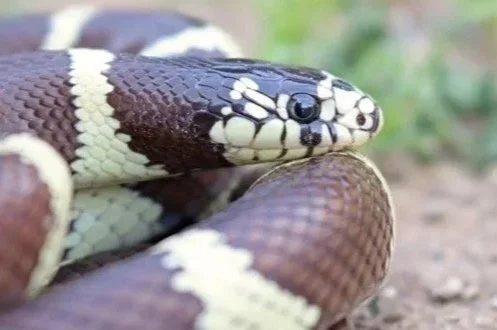
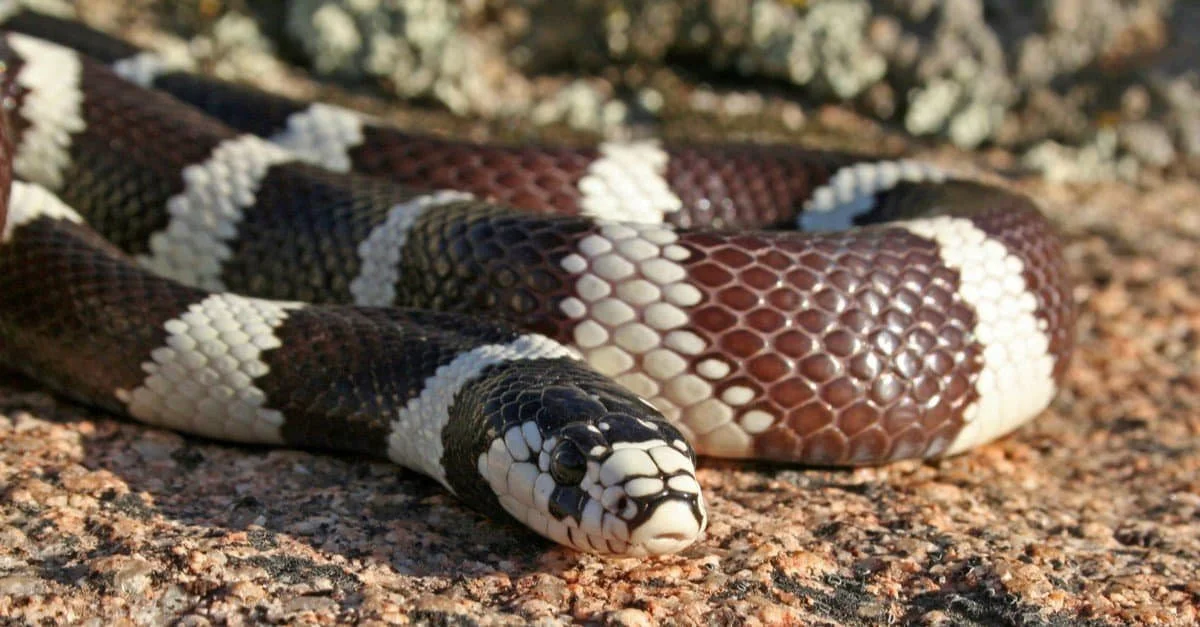
Kingsnakes are a group of snakes native to North America, admired for their striking patterns, adaptability, and important role in the ecosystem. Often misunderstood, they are beneficial predators that help control populations of rodents, lizards, and even other snakes—including venomous species—earning them the name “kings” of the snake world. This page introduces common kingsnake species, their behaviors, and how to safely observe or care for them in captivity.
ARE THEY VENOMOUS?
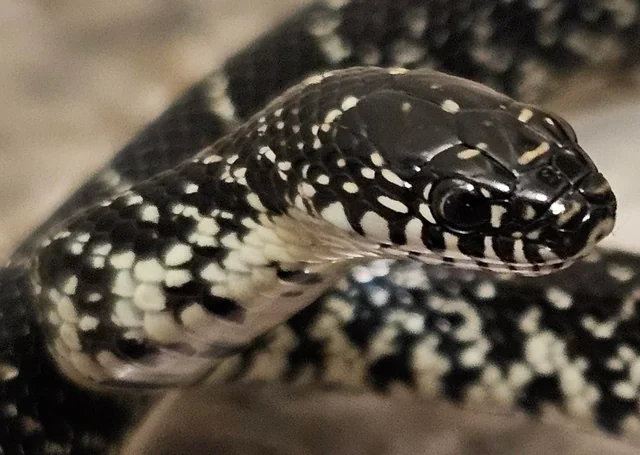
Kingsnakes are non-venomous. They subdue their prey by constriction, meaning they coil around and suffocate it. Despite their name and resemblance to some venomous species, kingsnakes are harmless to humans and play a vital role in keeping ecosystems balanced.
NO.
COMMON KINGSNAKES
Kingsnakes include several closely related species found across North America, each with its own colors, patterns, and preferred habitats. While they vary in appearance, all kingsnakes share key traits: they are non-venomous, powerful constrictors, and highly adaptable predators.
mexican black Kingsnake
(Lampropeltis getula nigrita)
Solid glossy black, native to northern Mexico and the southwestern U.S. Calm and easy to handle, often kept as pets.
One of the most popular species, recognizable by black and white or brown and cream banding. Adaptable and hardy, they are found in deserts, forests, and grasslands.
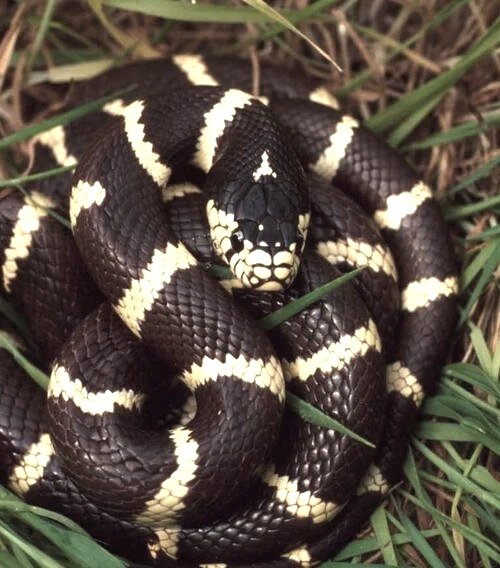
CALIFORNIA KINGSNAKE
(Lampropeltis californiae)
Pale or cream-colored with darker crossbands, native to arid regions of the southwestern U.S. They are excellent burrowers and secretive hunters.
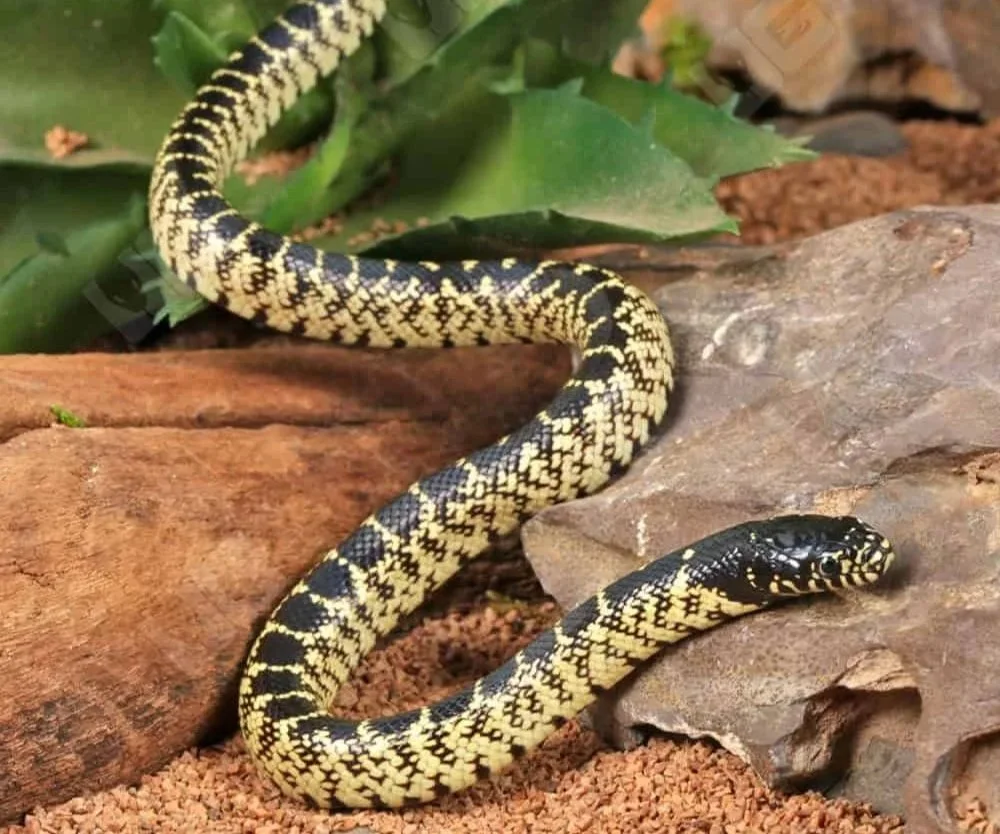
DESERT KINGSNAKE
(Lampropeltis splendida)
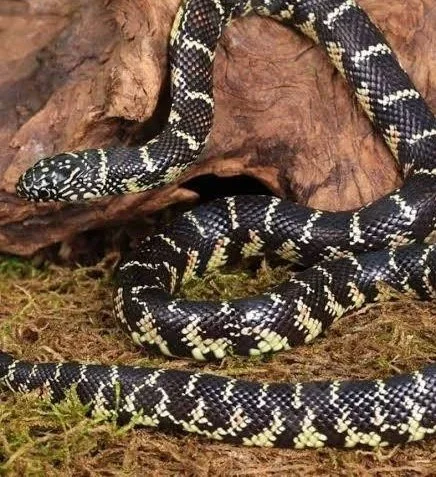
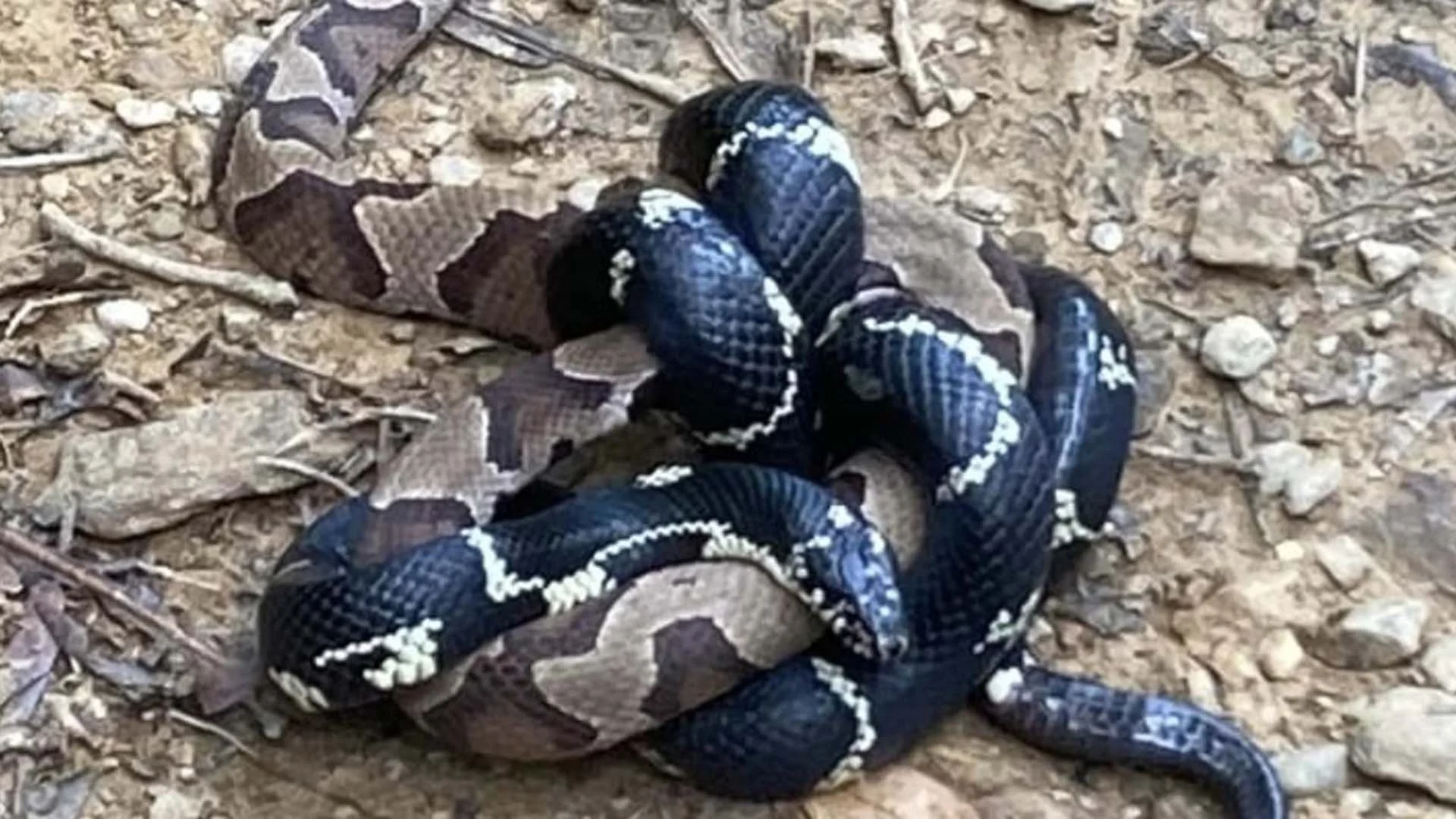
Usually black with white or yellow chain-like patterns. Native to the southeastern U.S., they are known for preying on venomous snakes.
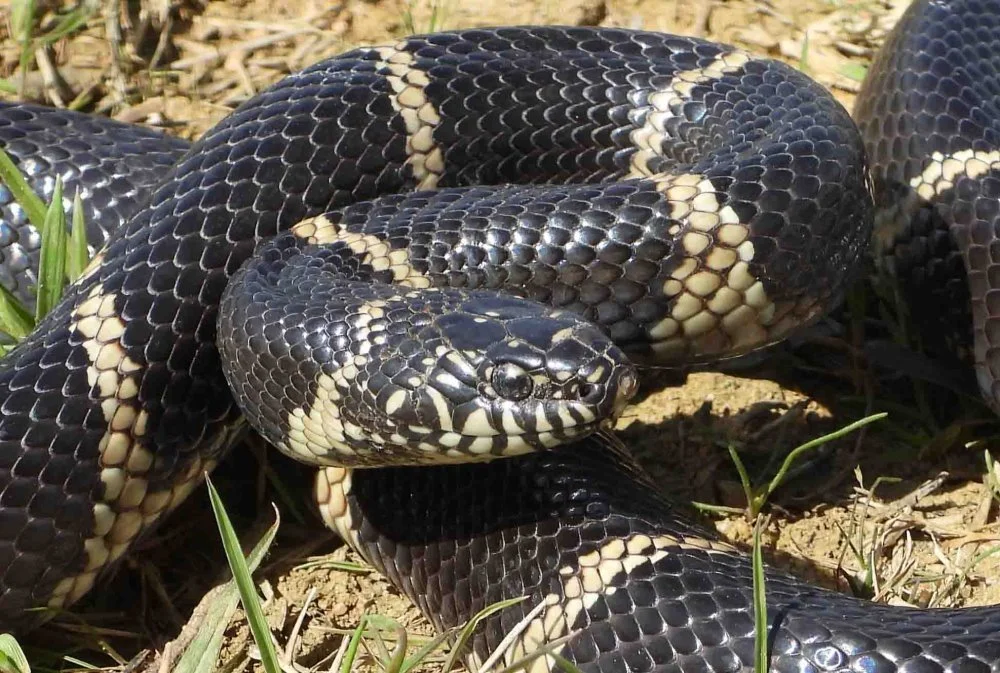
Eastern Kingsnake
(Lampropeltis getula getula)
Dark with lighter yellow or cream speckling, found primarily in Florida. They thrive in wetland habitats and are effective rodent hunters.
FLORIDA KINGSNAKE
(Lampropeltis getula floridana)
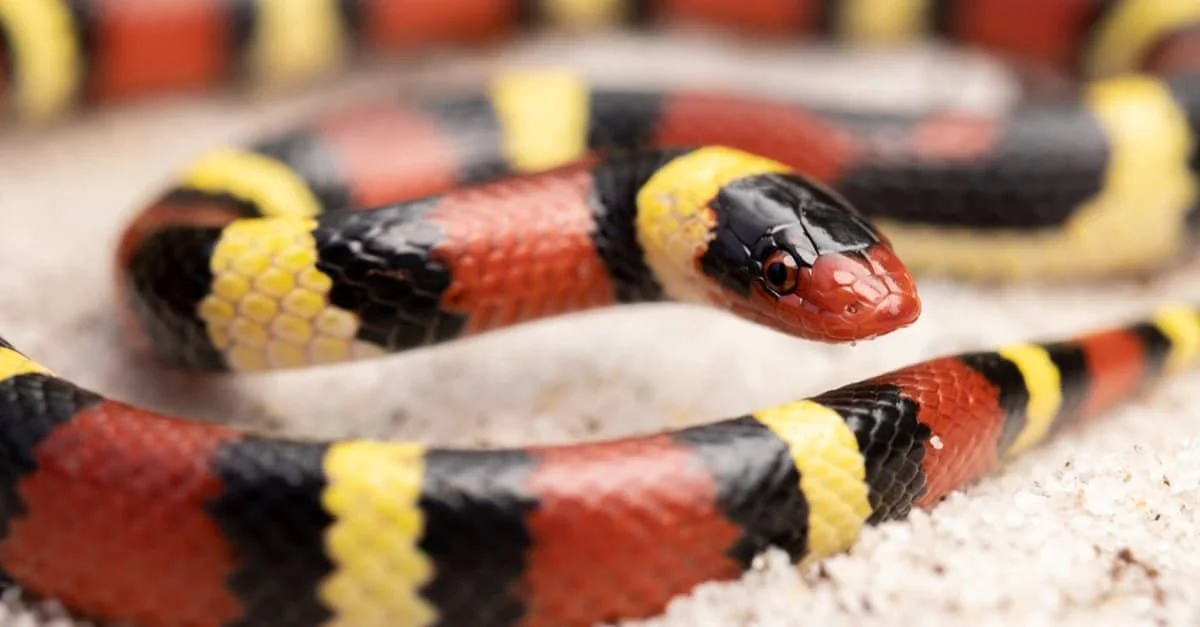
A small, non-venomous kingsnake with bold red, black, and yellow bands. Native to the southeastern U.S., it is secretive and spends much of its time underground. Despite its bright colors, it is harmless to humans.
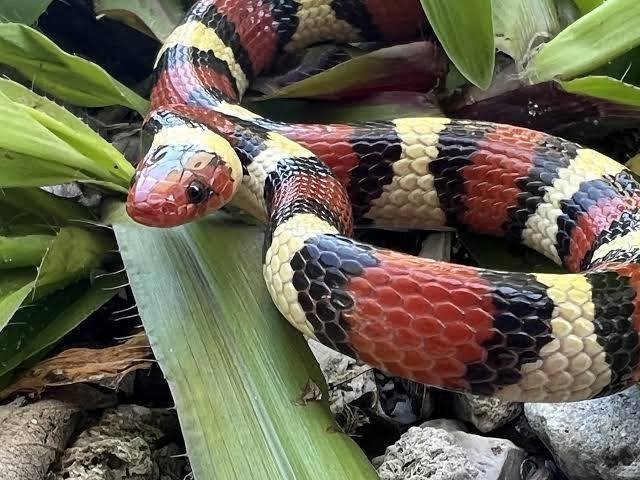
SCARLET Kingsnake
(Lampropeltis elapsoides)
FACT OR FICTION?
-
FICTION. Kingsnakes are completely non-venomous. They subdue prey by constriction, not venom.s here
-
FACT. They are known as “kings” because they can prey on other snakes, including venomous ones, helping control their populations.
-
FACT. From solid black to banded or speckled varieties, kingsnakes display an impressive range of colors.
-
FACT. With proper care, captive kingsnakes can live 15–20 years, sometimes longer..
-
FACT. They help control rodents, lizards, and other snake populations, keeping ecosystems in balance.
-
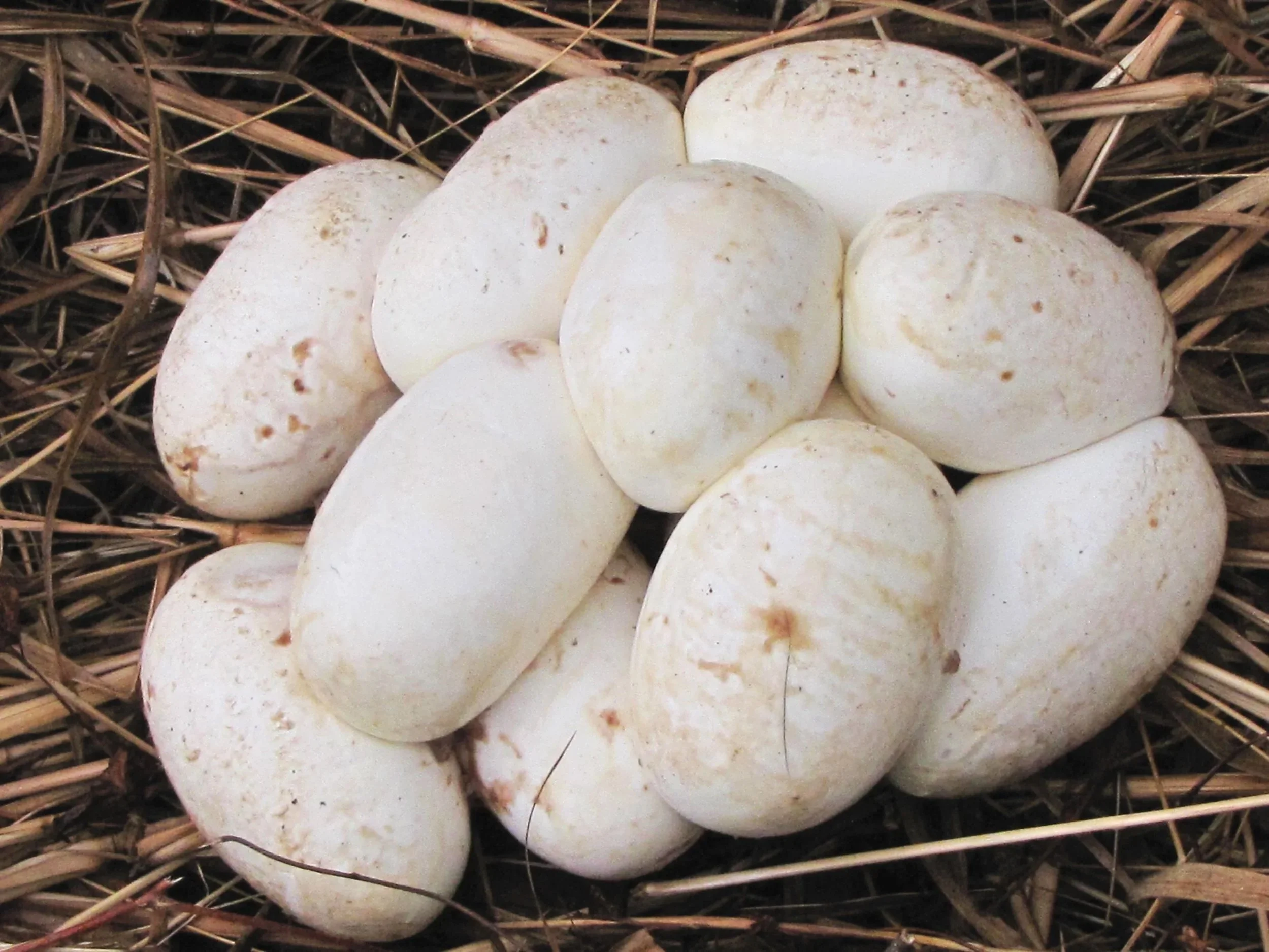
FACT. Kingsnakes lay eggs. They are oviparous, meaning females lay clutches of eggs—usually in warm, hidden locations—rather than giving birth to live young.
KEEPING KINGSNAKES
Kingsnakes are popular in the pet trade due to their striking appearance, manageable size, and relatively easy care. If you’re considering a kingsnake, it’s important to provide proper housing, a balanced diet, and opportunities for enrichment. We do not condone keeping wild-caught snakes—always choose captive-born individuals. Visit our Adoption Page to learn more about keeping kingsnakes and other reptiles responsibly.
WHY KINGSNAKES MATTER.
Kingsnakes play a crucial role in ecosystems by controlling populations of rodents and other snakes. Understanding their behavior and respecting their habitat helps humans coexist safely with these fascinating reptiles.