WOOLY WONDERS
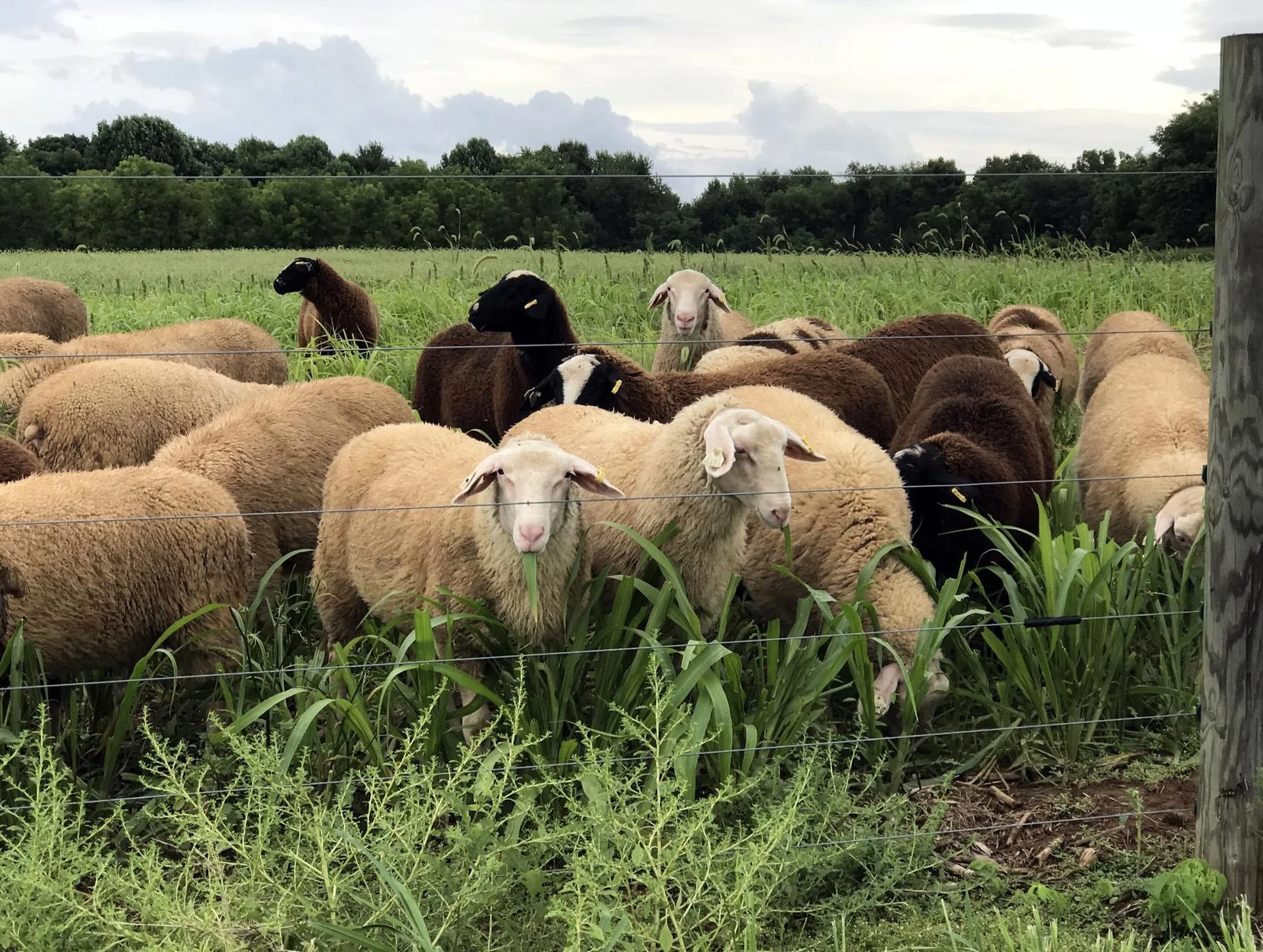
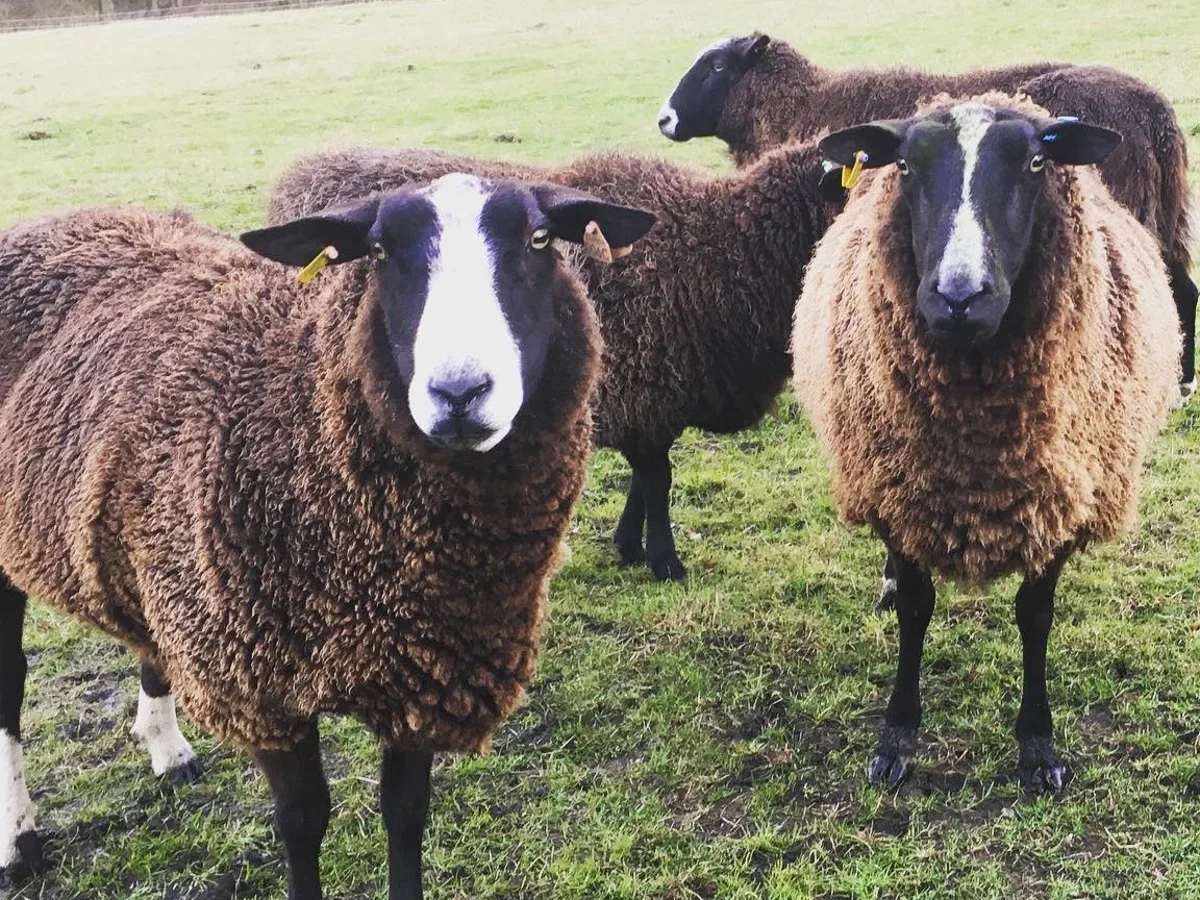
Sheep are gentle, social animals that have lived alongside humans for thousands of years. Known for their woolly coats and calm nature, sheep are intelligent herd animals that rely on strong social bonds and clear communication within their groups. Curious and observant, they recognize familiar faces—both human and animal—and can remember them for years.
More Than Producers
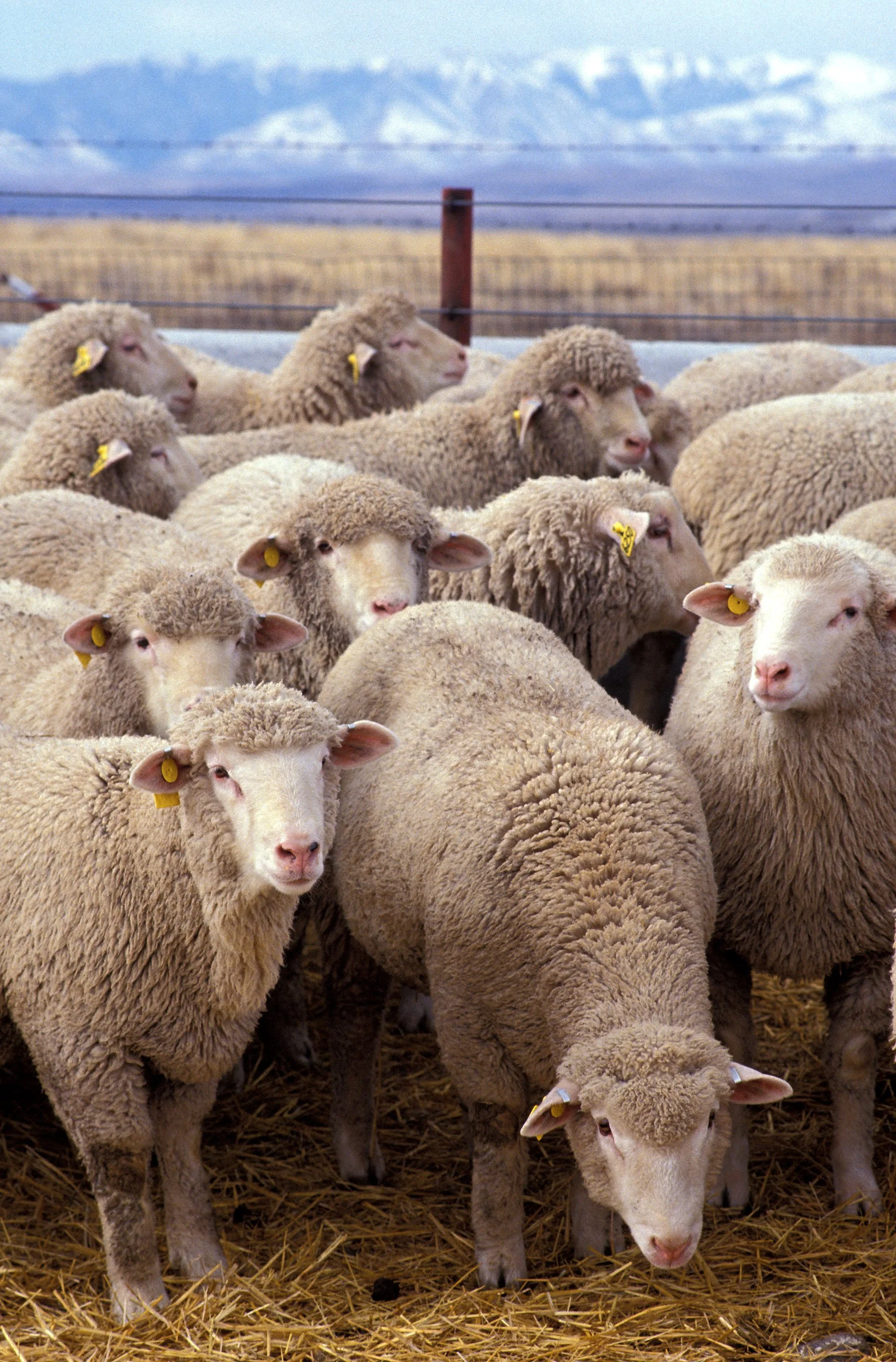
Sheep are commonly raised for wool, milk, and meat, but many also find lifelong homes in sanctuaries after being rescued from neglect, injury, or unsuitable conditions. In sanctuary settings, sheep are valued for who they are—not for what they produce—and are allowed to live out their lives with proper care and companionship.
COMMON SHEEP BREEDS
While all domestic sheep belong to the same species (Ovis aries), there are many breeds with different sizes, wool types, and personalities.
Dorset sheep have white faces and are valued for both meat and wool. They are hardy and known for breeding outside of normal seasons.
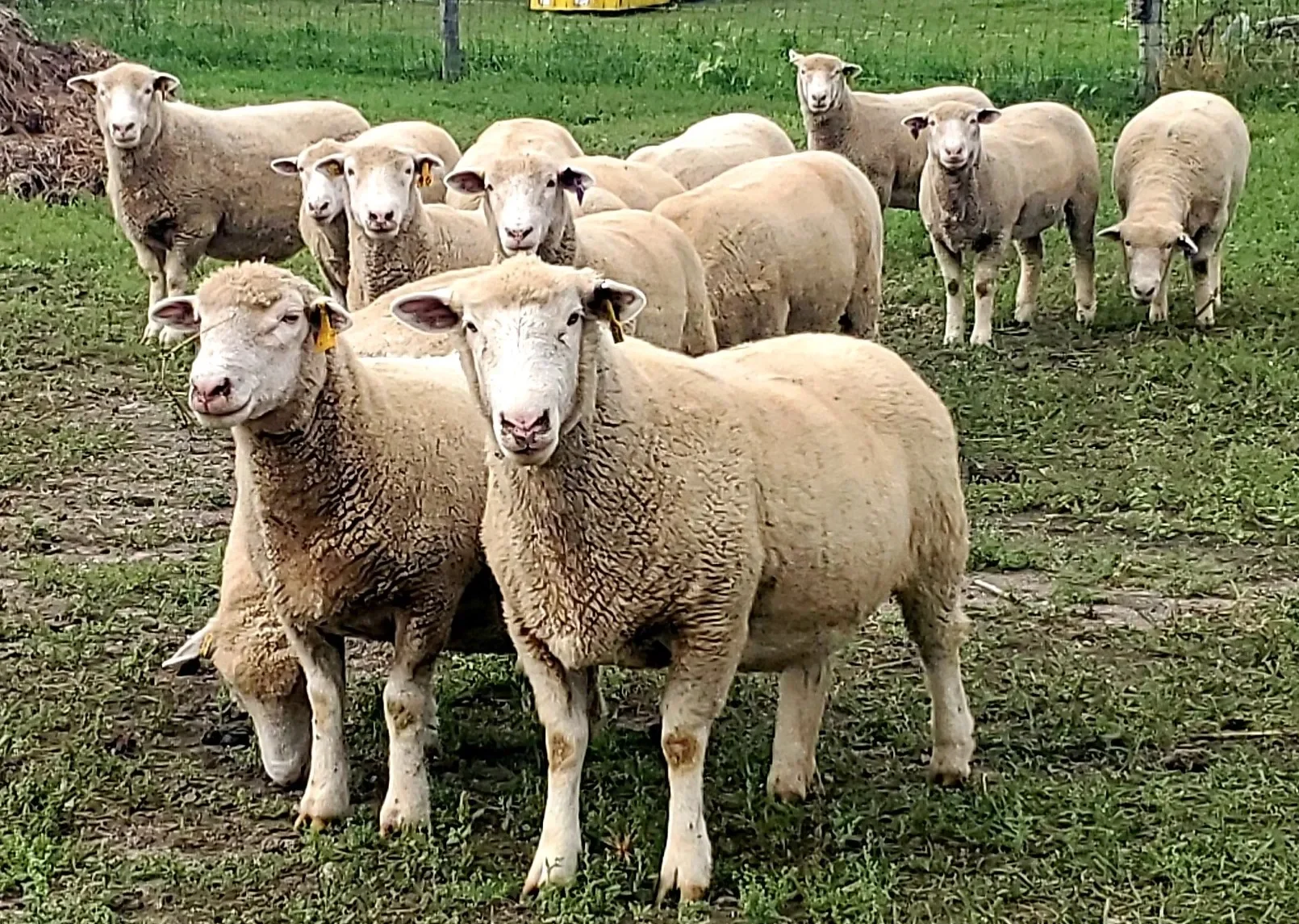
DORSET SHEEP
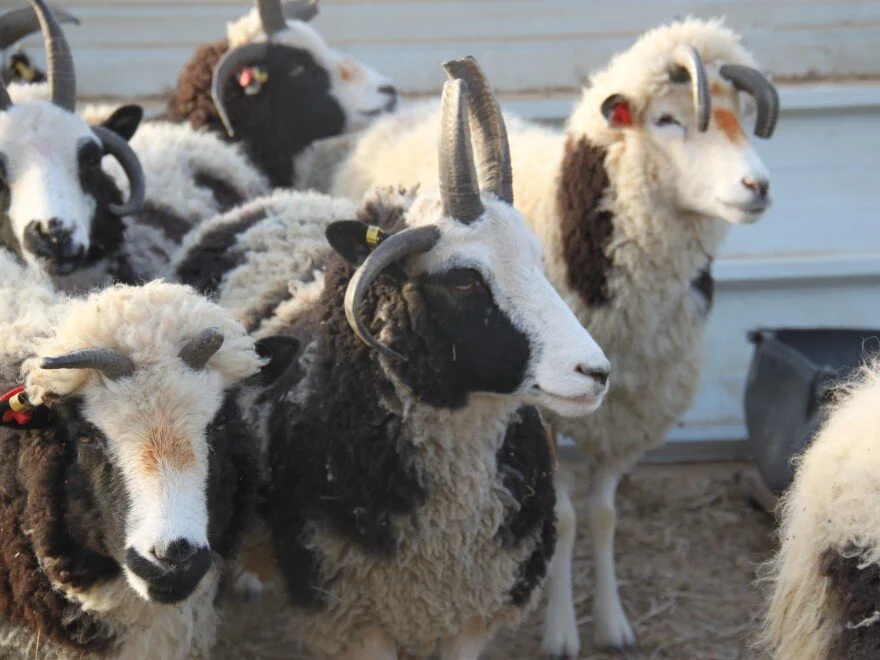
A distinctive, spotted breed that often has multiple horns. Jacob sheep are commonly found in small farms and sanctuaries.
JACOB SHEEP
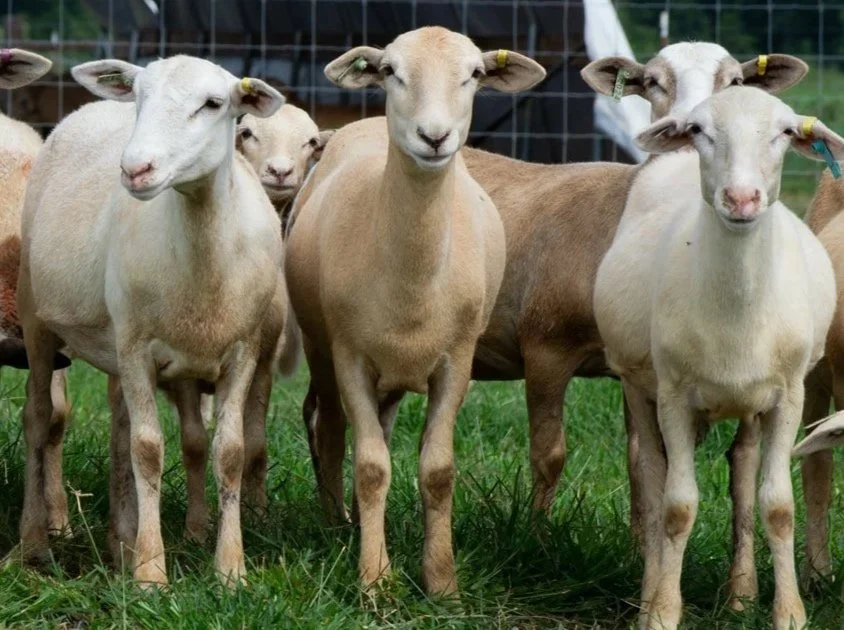
A hair sheep breed that sheds naturally instead of producing heavy wool. Katahdins are hardy, low-maintenance, and adaptable.
Katahdin Sheep
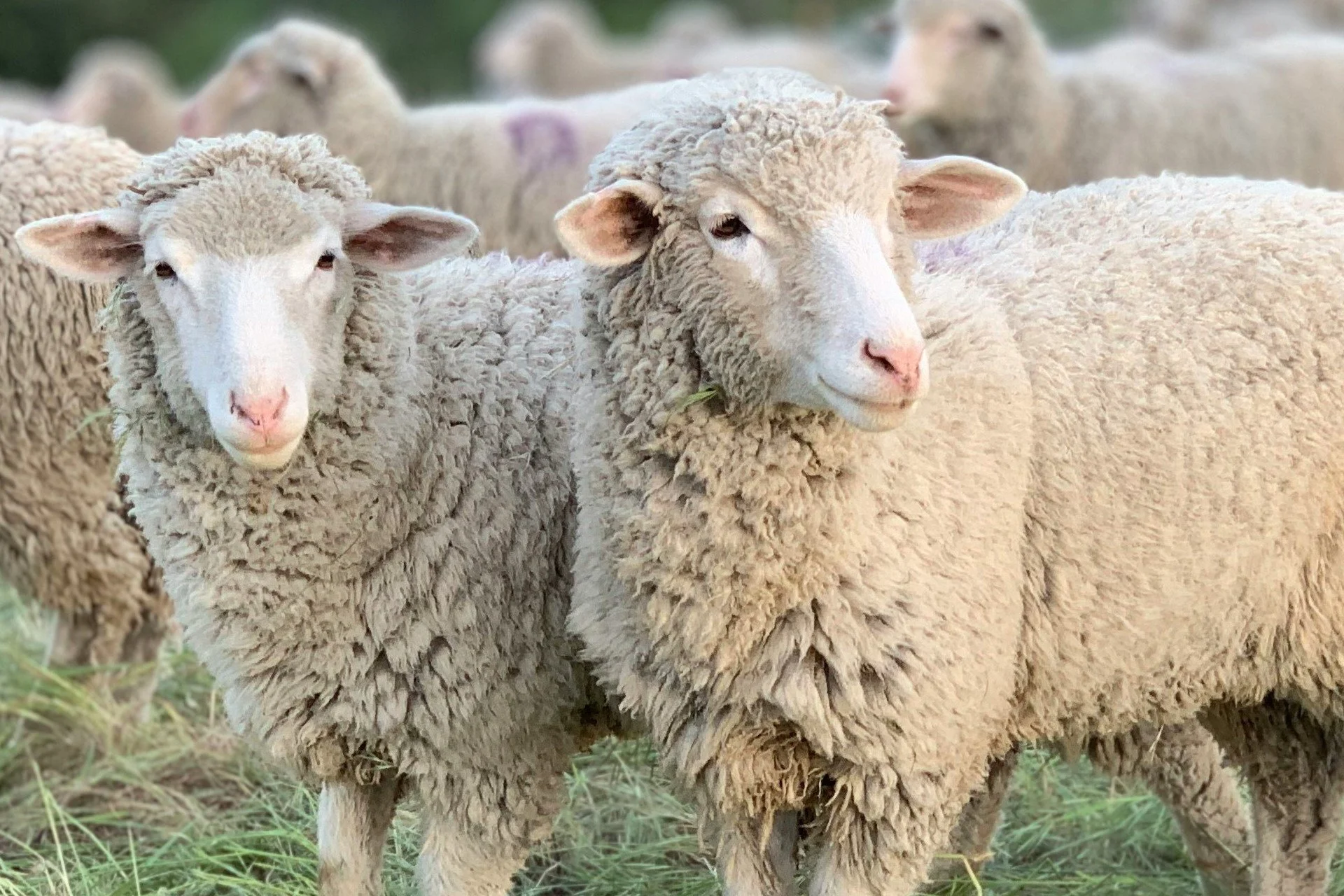
Known for their fine, soft wool, Merino sheep are one of the most well-known breeds worldwide. They are typically calm and adaptable.
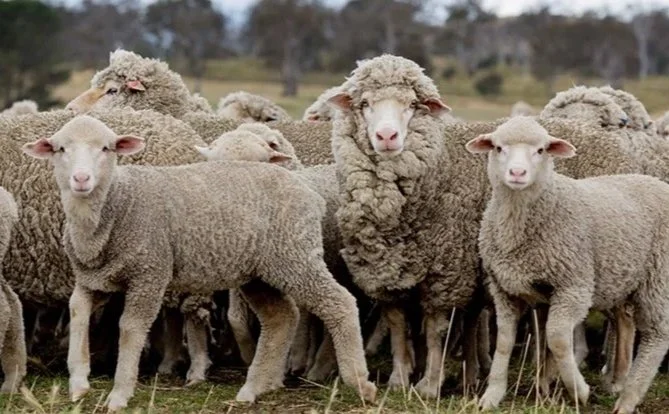
MERINO SHEEP
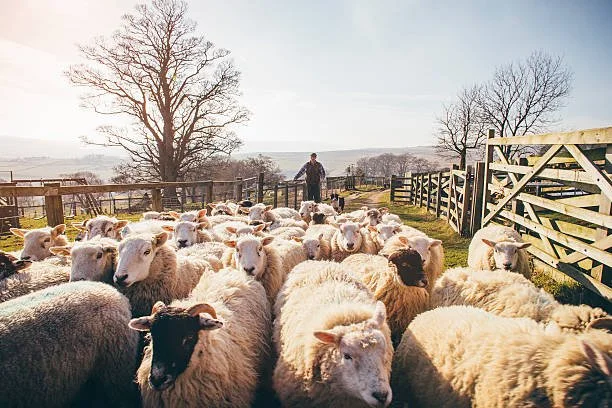
Recognizable by their black faces and legs, Suffolk sheep are larger and commonly raised for meat. They are strong, alert, and fast-growing.
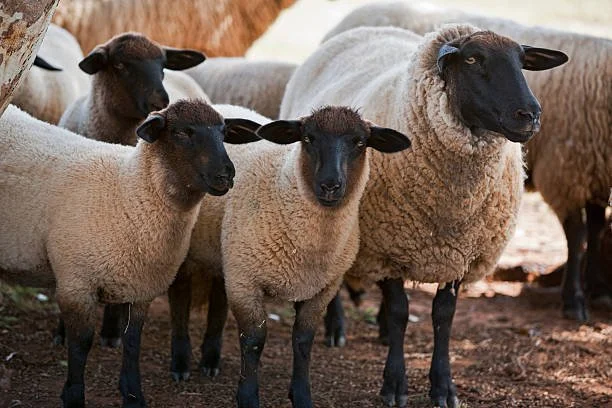
SUFFOLK SHEEP
FACT OR FICTION?
-
FICTION. Sheep are intelligent animals that can recognize faces, learn routines, and remember experiences for years.
-
FACT. Sheep are highly social herd animals and can become stressed if kept alone.
-
FICTION. While often associated with wool, sheep also have complex social lives and emotional needs.
-
FACT. Sheep need proper nutrition, hoof care, parasite management, and companionship throughout their lives.
KEEPING SHEEP
Sheep require appropriate shelter, regular hoof care, shearing when needed, parasite management, and access to proper nutrition. Because they are herd animals, sheep should never be kept alone. Responsible care means understanding their physical and emotional needs and committing to their long-term wellbeing.
WHY SHEEP MATTER
Sheep contribute to healthy ecosystems through grazing, help maintain open landscapes, and play an important role in agricultural history and education. Learning about sheep encourages empathy, responsible stewardship, and a deeper appreciation for the animals we share our world with.