HAPPY HOPPERS
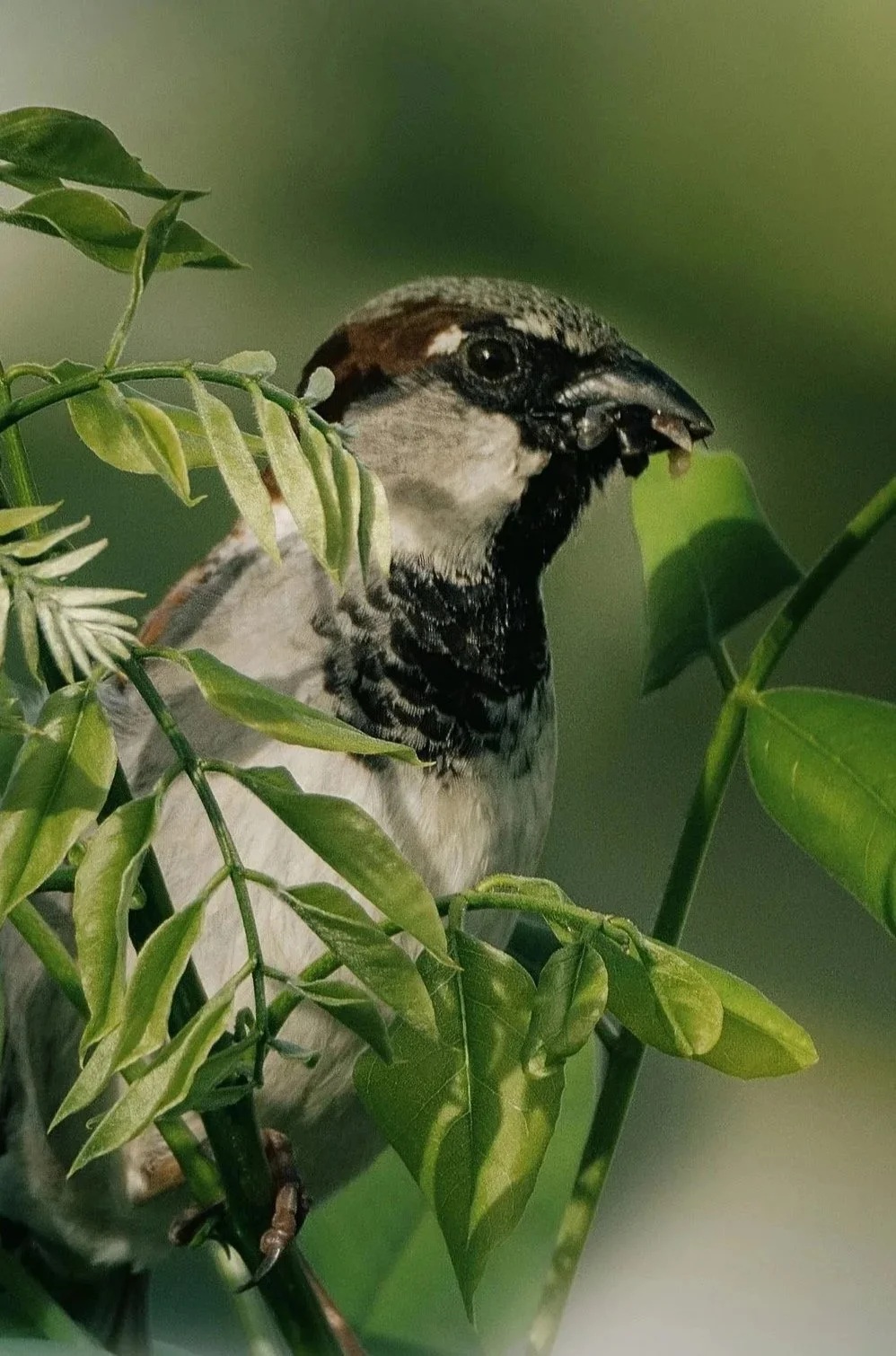
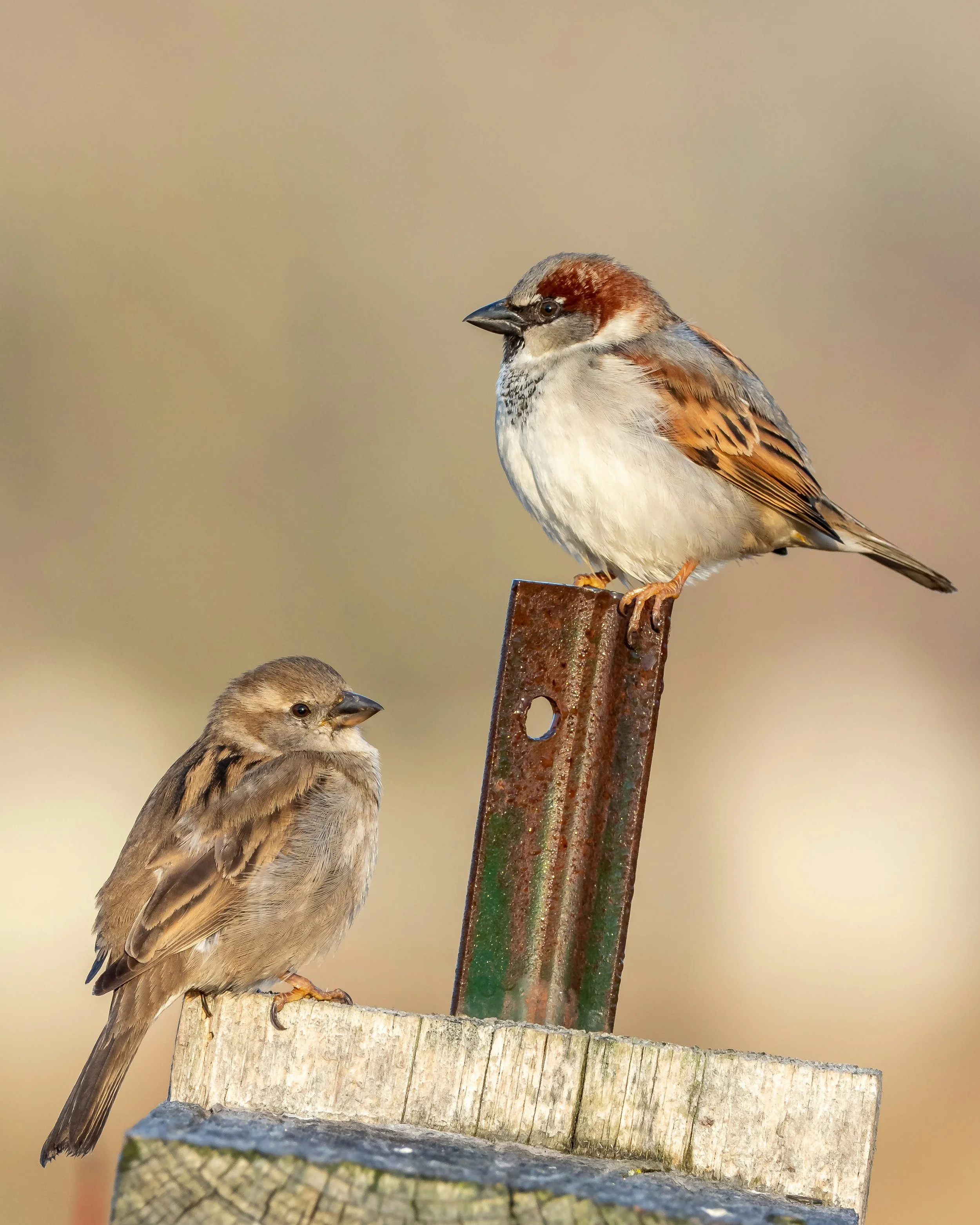
Sparrows and finches are among the most familiar backyard birds, beloved for their lively energy, cheerful songs, and striking plumage. Though small, they play a huge role in gardens, fields, and forests, spreading seeds and keeping insect populations in check. While sparrows tend to be more subtle in color, finches often display bright yellows, reds, and other eye-catching hues. Both groups are easy to attract with feeders, native plants, and safe spaces to nest.
SPARROW SPECIES
Sparrows belong mainly to the Passerellidae (New World) and Passeridae (Old World) families. They are small, seed-eating birds with strong conical bills, adapted to life on the ground or in shrubs. Many species thrive in both wild and urban environments, making them familiar and beloved backyard visitors.
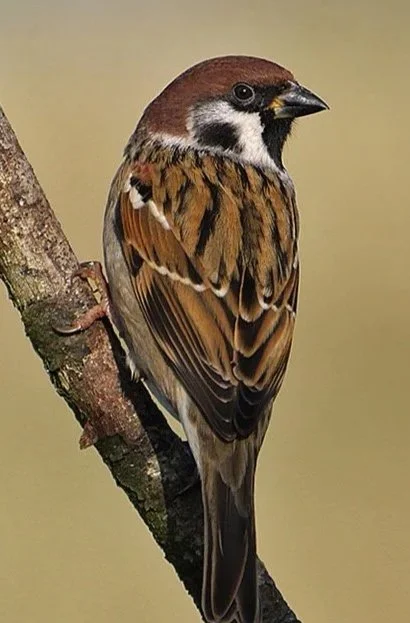
EURASIAN TREE SPARROW
(Passer montanus)
Shy and sprightly, hopping through open grasslands. Native to North America, common in fields, meadows, and marsh edges.
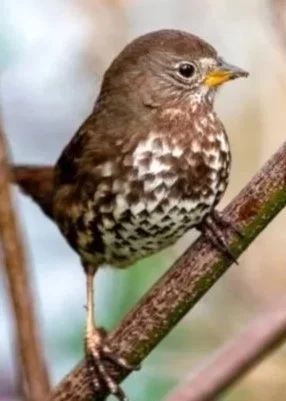
FOX SPARROW
(Passerella iliaca)
Larger reddish-brown streaked bird that loves leaf litter. Native to North America, especially forests and brushy areas across Canada and the northern US.
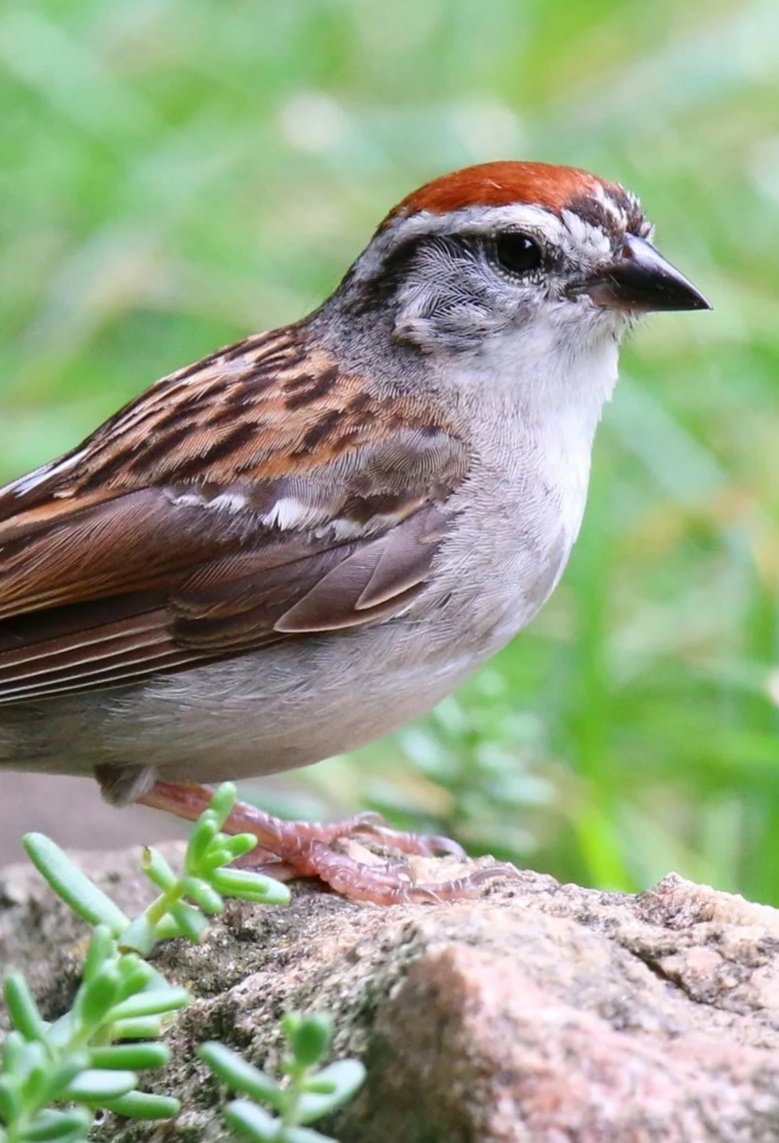
SAVANNAH SPARROW
(Passerculus sandwichensis)
Petite, chestnut-capped sparrow with black cheek spots. Native to Europe and Asia, introduced in limited areas of North America.
Tiny and energetic with a rust-colored cap in summer. Found hopping through lawns and tree branches across most of North America in open woodlands and suburban areas.
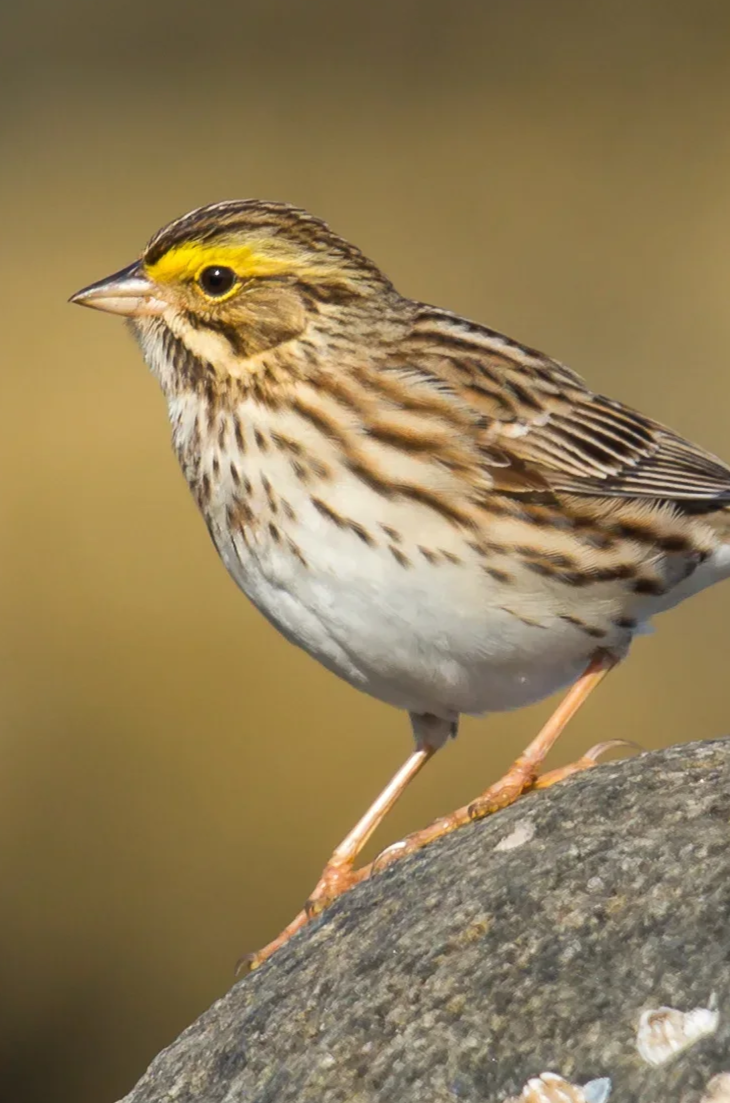
CHIPPING SPARROW
(Spizella passerina)
Bold urban bird with gray head and black bib in males. Introduced to North America from Europe, now widespread in towns and cities.
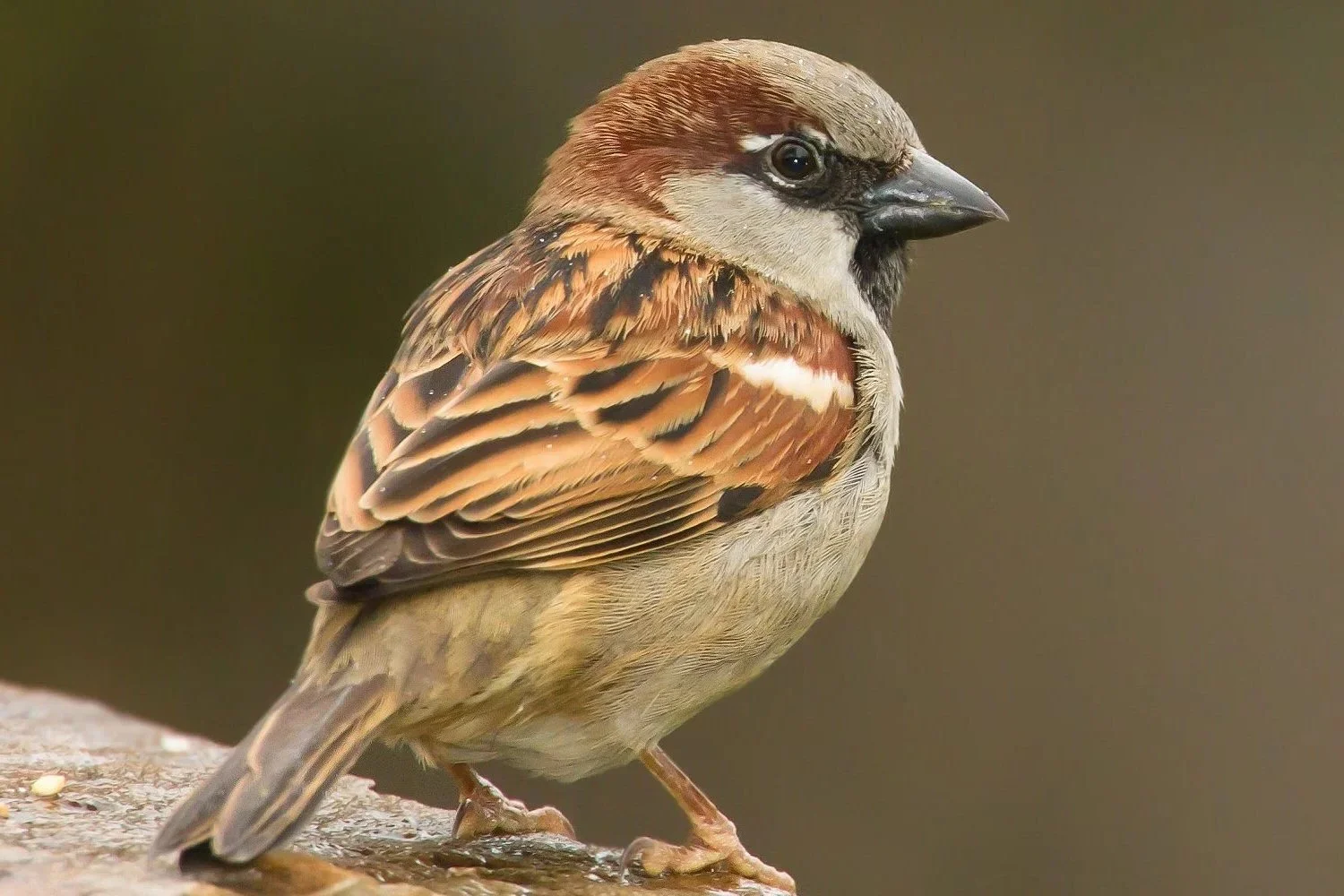
HOUSE SPARROW
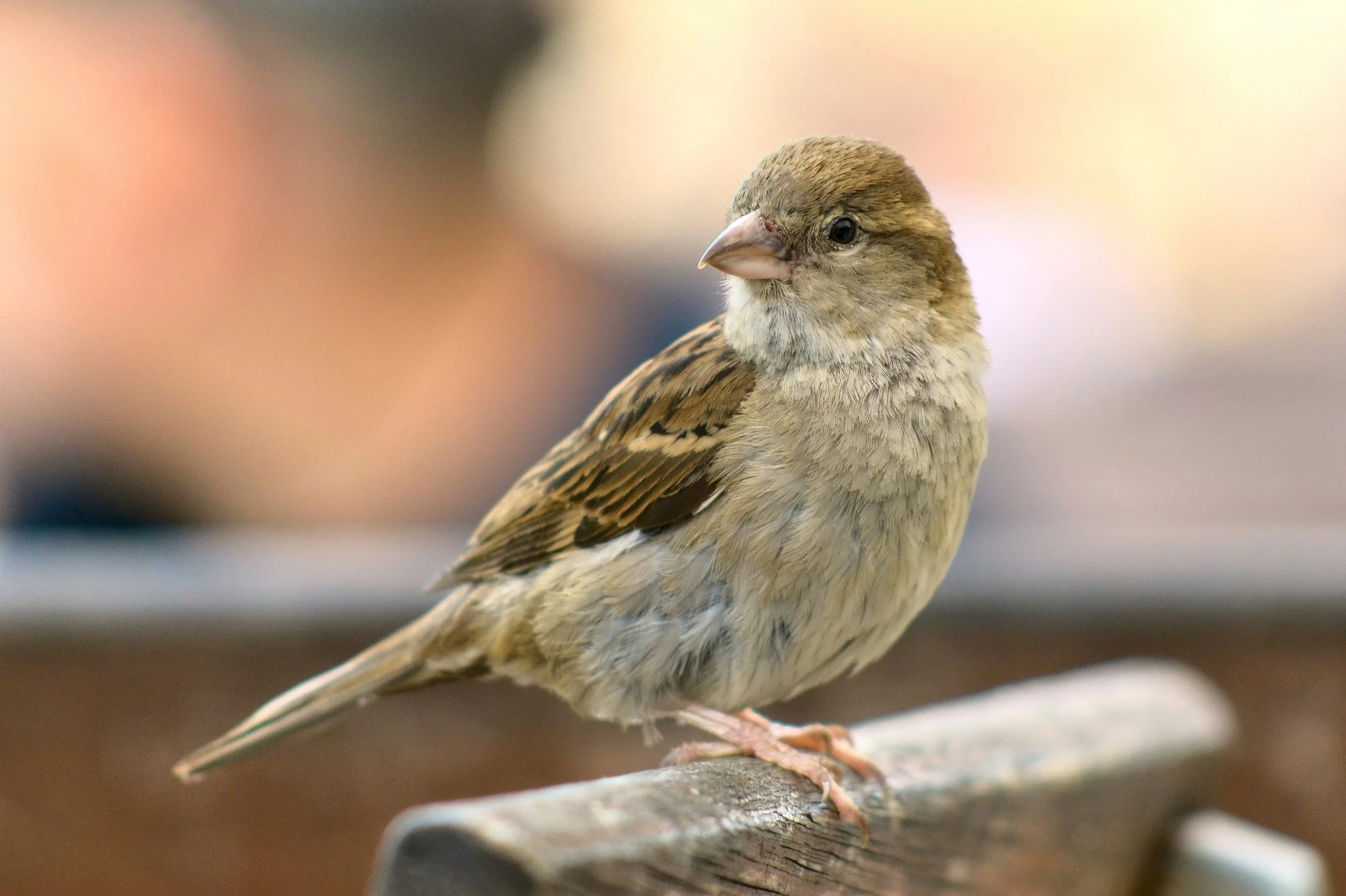
(Passer domesticus)
The singer of the sparrow world, with a sweet, melodic song. Widespread across North America, from forests to backyards near water and shrubs.
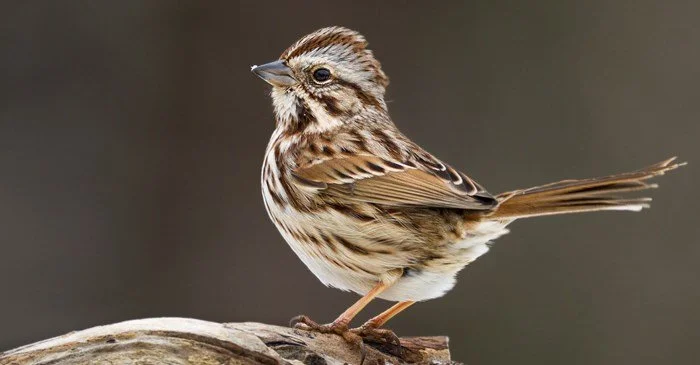
SONG SPARROW
(Melospiza melodia)
Gentle and soft-whistled, with white throat and yellow eye markings. Breeds in Canada and northern US forests, winters across the eastern and southern US.
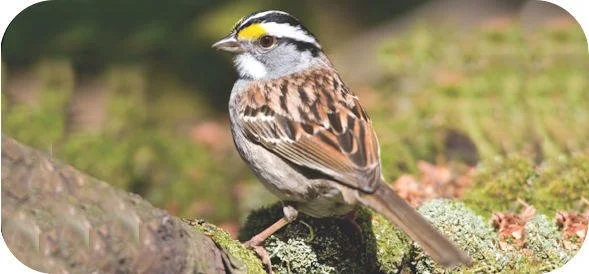
WHITE-THROATED SPARROW
(Zonotrichia albicollis)
FACT OR FICTION?
-
FICTION. Many sparrows have beautiful streaks, subtle patterns, and distinctive songs that make them easy to recognize and fun to watch.
-
FACT. Their diet helps spread seeds and control insect populations, making them important gardeners of the wild.
-
FACT. They often forage together, communicating with chirps and trills.
-
FICTION. Sparrows are highly adaptable and can be found in forests, grasslands, suburbs, and cities alike.
-
FACT. By spreading seeds, they support the growth of native flowers and grasses.
-
FACT: They eat insects, helping maintain balance in ecosystems.
WHY SPARROWS MATTER.
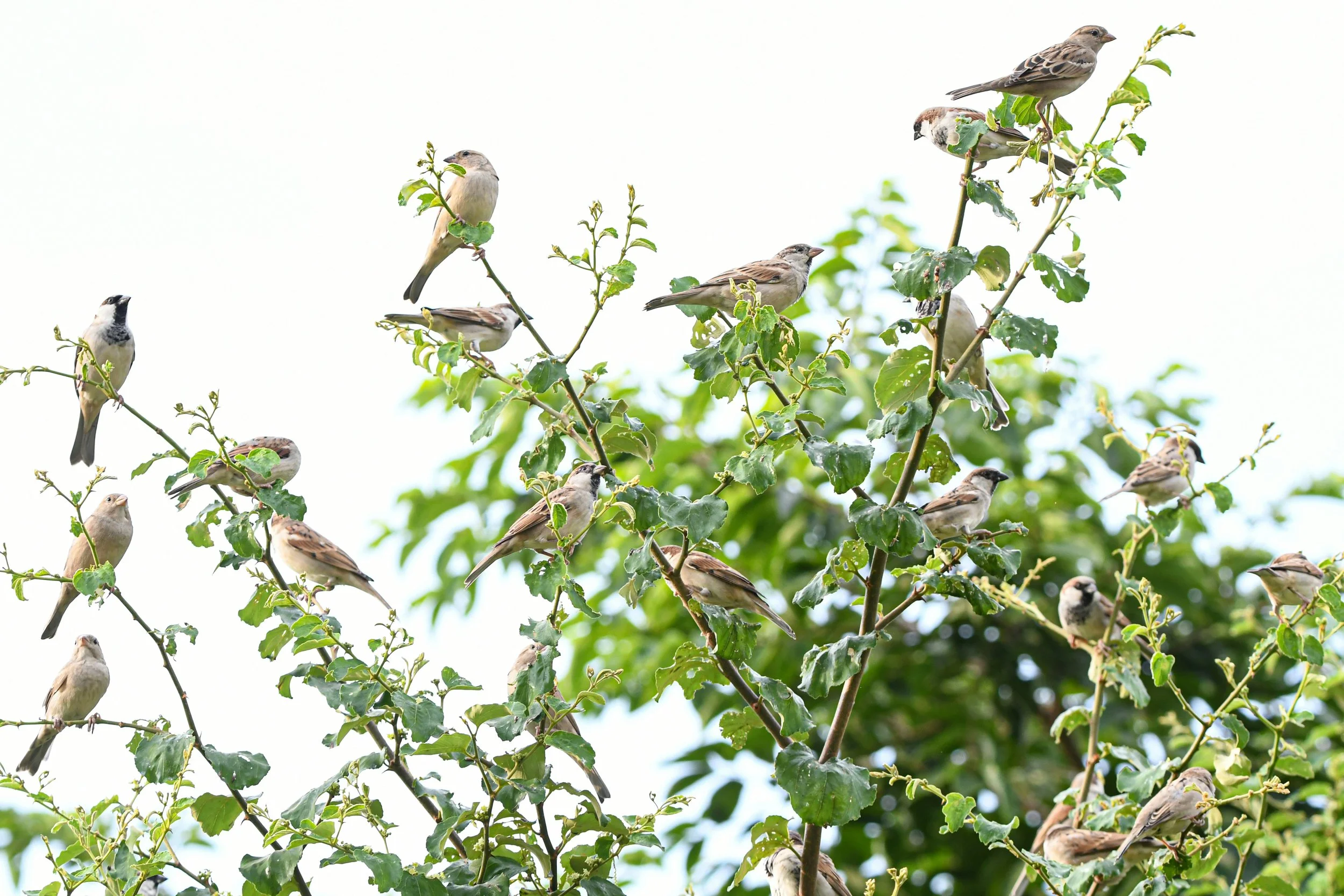
Sparrows may be small, but they play a big role in nature. By eating seeds and insects, they help plants grow and keep ecosystems balanced. Their presence supports other wildlife too, providing food for hawks, owls, and other predators. Beyond their ecological importance, sparrows bring life, movement, and song to backyards, parks, and forests, connecting people to the natural world every day. Watching their playful flocks and listening to their cheerful chirps is a reminder that even the tiniest birds make a difference.