GRACEFUL GLIDERS
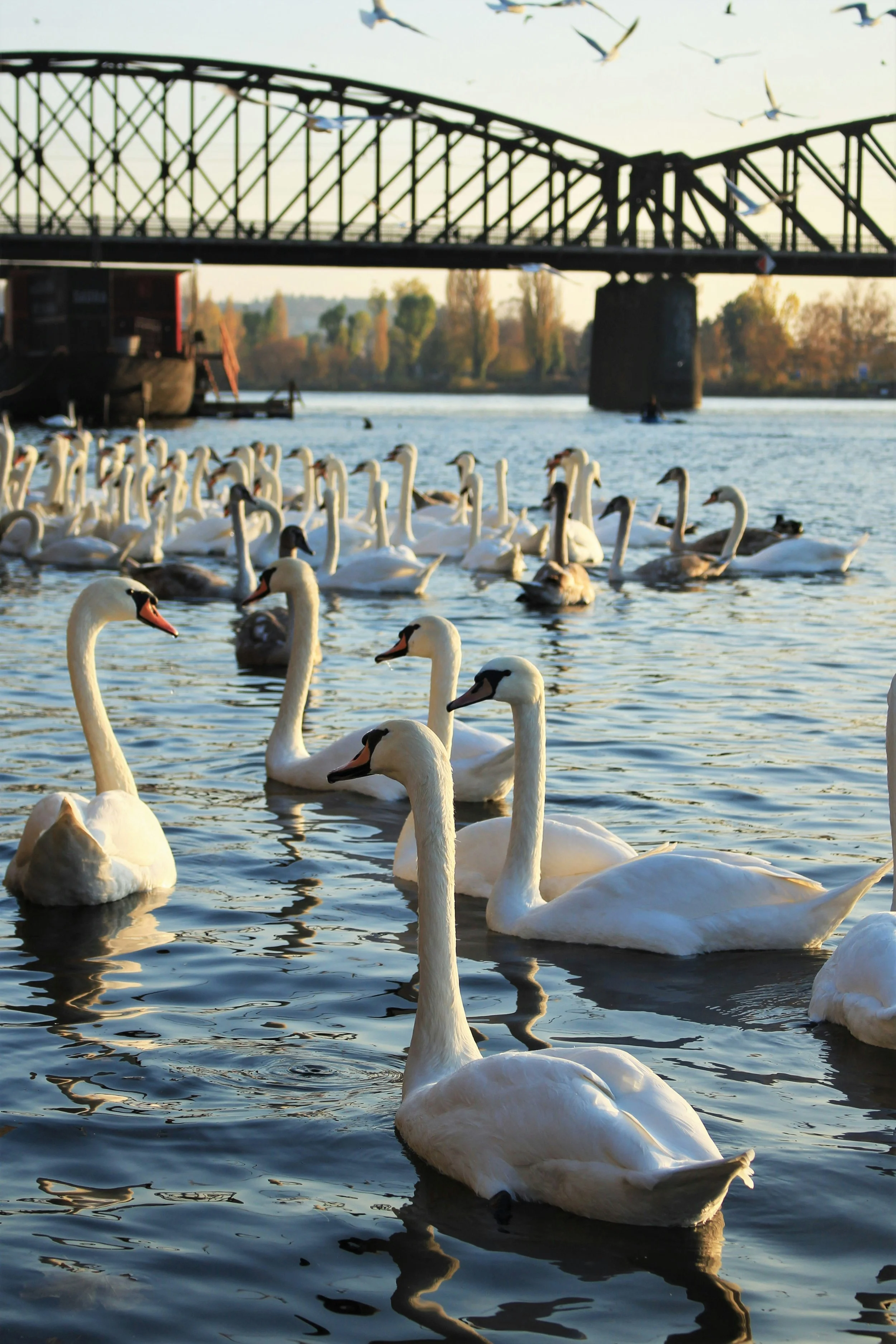
Wild swans are powerful, graceful waterfowl known for their sweeping wingspans, long curved necks, and strong family bonds. Found across North America, Europe, and Asia, these migratory birds inhabit lakes, rivers, wetlands, and coastal marshes. Though often associated with elegance and symbolism, swans are hardy, territorial birds that play an important ecological role in aquatic environments.
SWAN SPECIES
There are seven recognized swan species found around the world, inhabiting wetlands, lakes, rivers, and coastal areas across every continent except Africa. These majestic waterfowl are known for their long necks, strong migratory instincts, and enduring family bonds, making them both iconic and ecologically important members of wetland ecosystems.
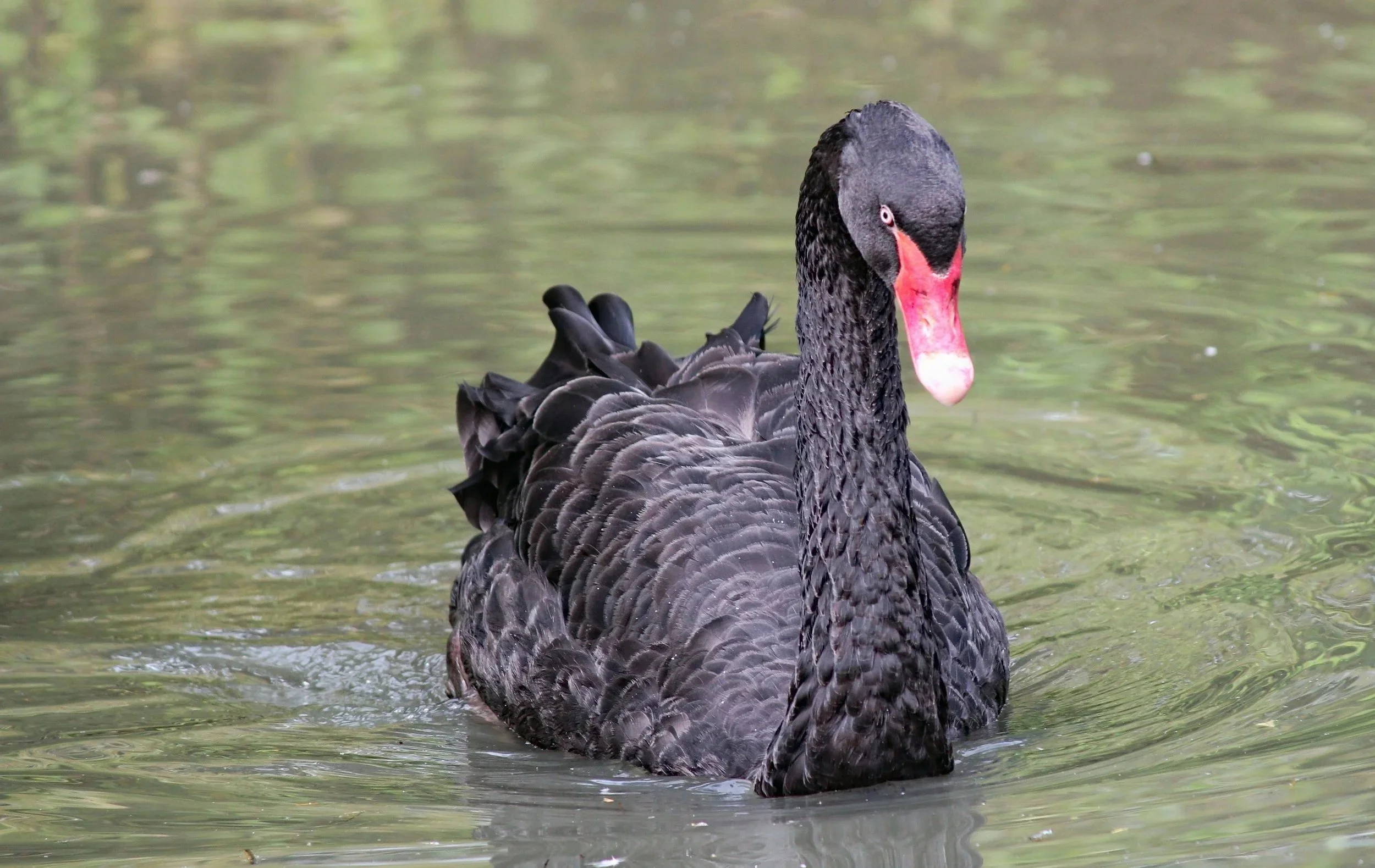
BLACK SWAN
(Cygnus atratus)
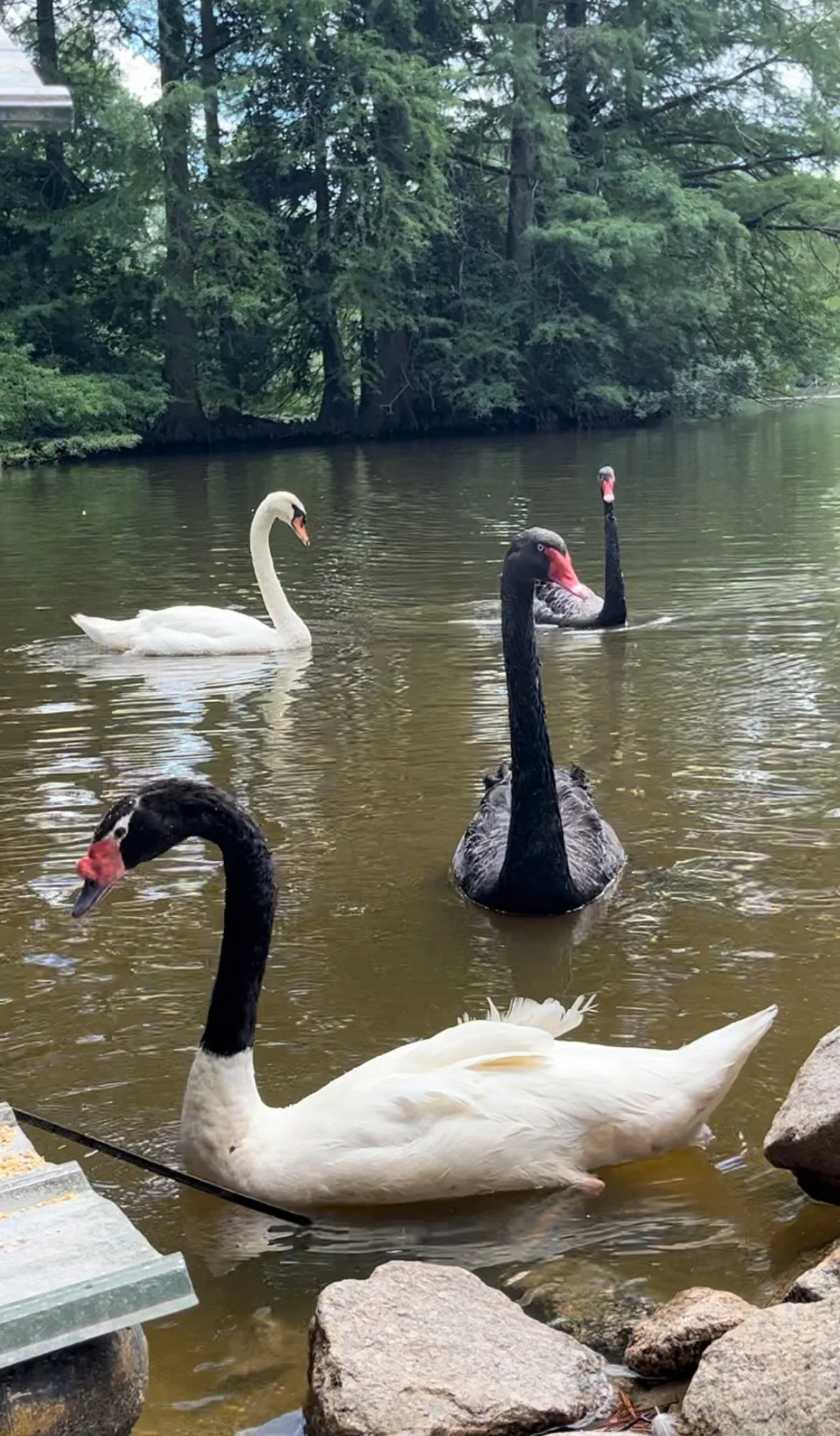
Native to Australia, with dramatic black feathers and a bright red bill. Graceful on lakes and rivers, this swan adds a bold splash of color to wetlands.
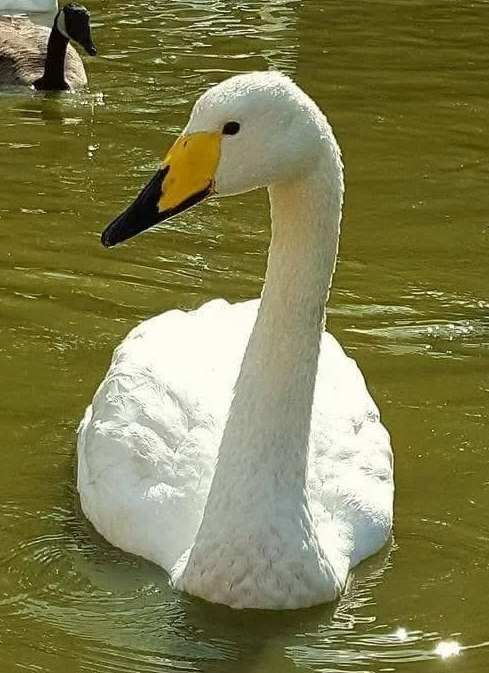
WHOOPER SWAN
(Cygnus cygnus)
Found across Europe and Asia, this swan is known for its bright yellow-and-black bill and loud, resonant calls. Elegant in flight and highly migratory.
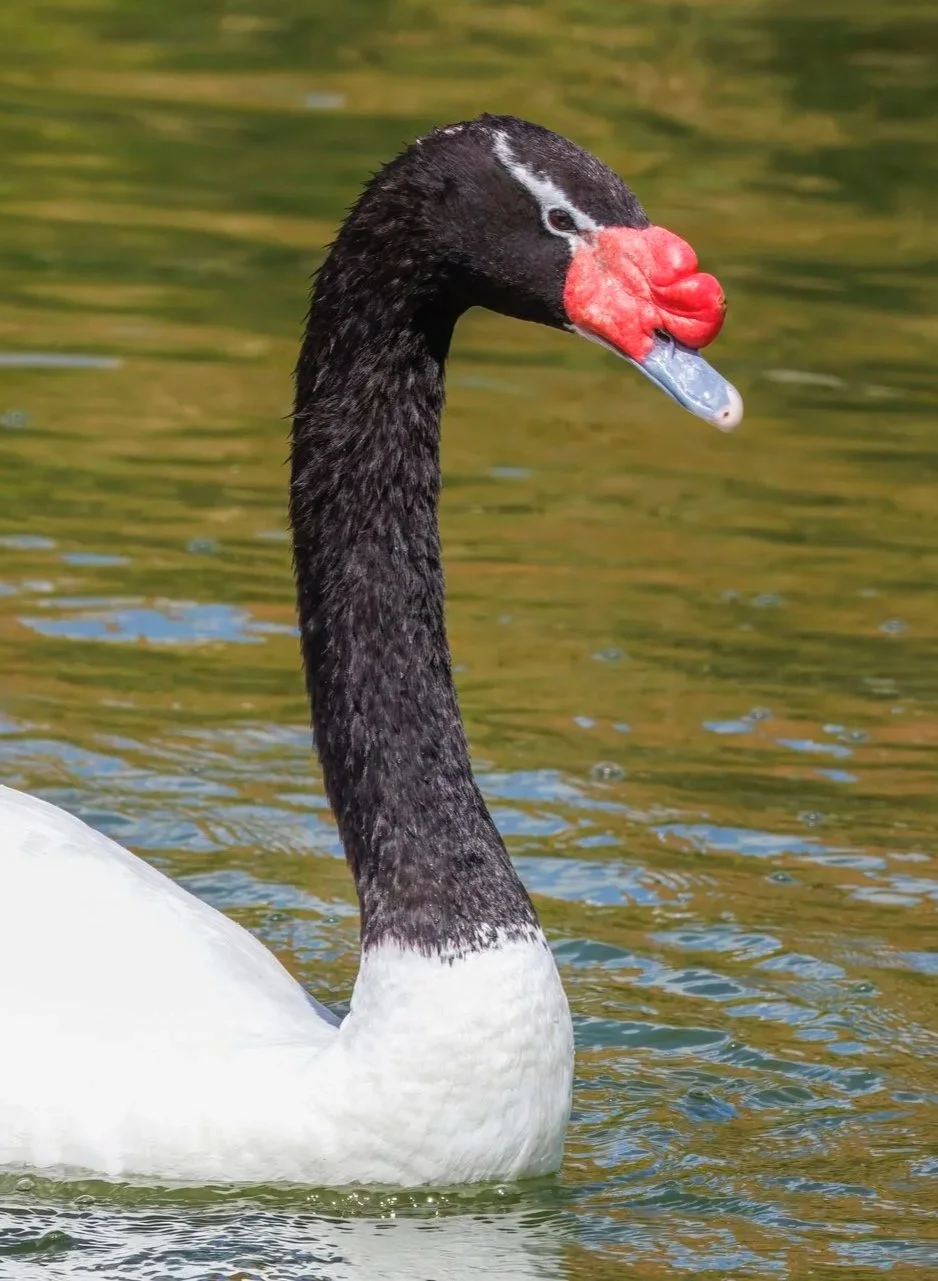
BLACK-NECKED SWAN
(Cygnus melancoryphus)
Found in southern South America, this elegant swan has a white body and striking black neck. Often seen gracefully paddling through calm marshes and lakes.
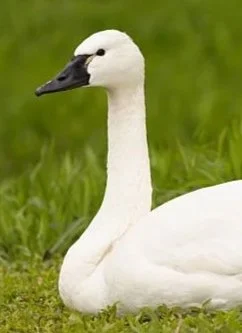
TUNDRA SWAN
(Cygnus columbianus)
A slightly smaller North American swan that breeds in Arctic tundra. Migrates long distances each year and is recognized by its mostly black bill with a small yellow patch.
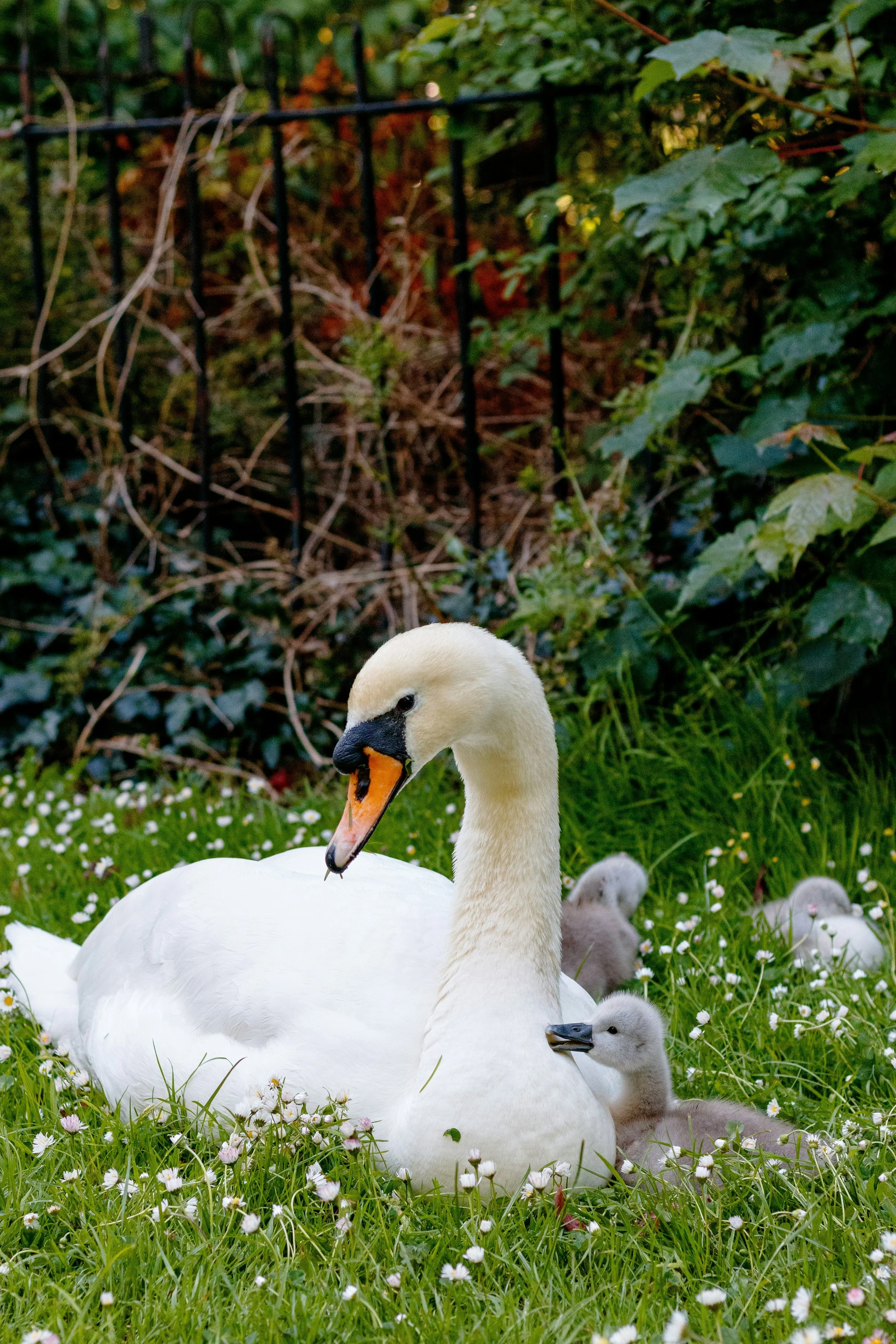
Native to Europe and Asia, with a striking orange bill and black knob. Often seen gliding gracefully on ponds, it’s less vocal than other swans but still bold and territorial.
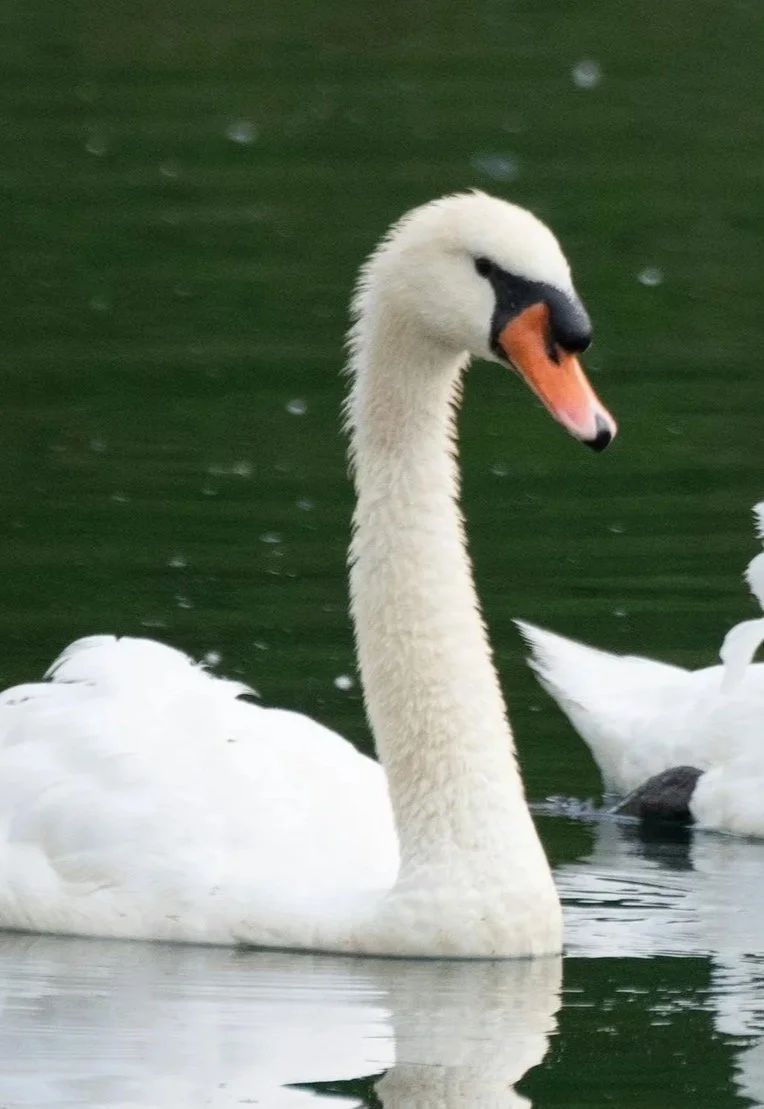
MUTE SWAN
(Cygnus olor)
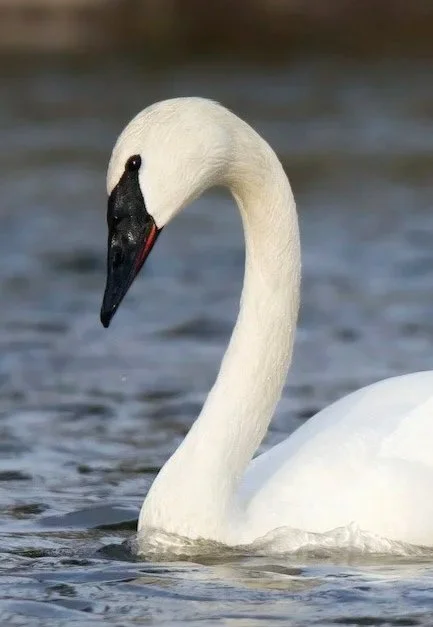
(Cygnus buccinator)
TRUMPETER SWAN
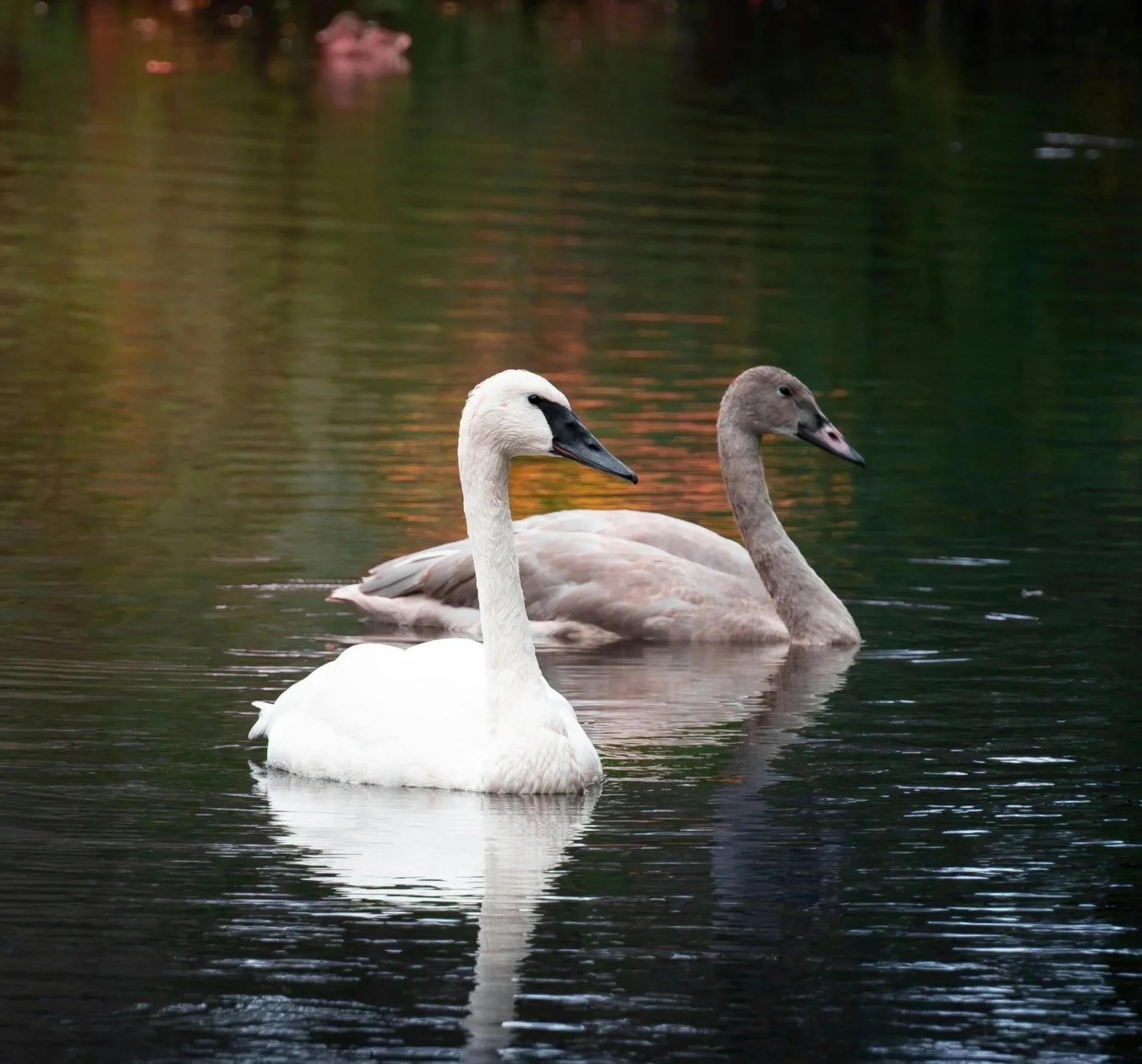
North America’s largest swan, all-white with a black bill. Known for its deep, trumpet-like call, it’s a true symbol of wild wetlands and a conservation success story.
The smallest swan, native to southern South America. White with a pink bill and legs, it’s charming and approachable, often seen waddling or swimming in small groups.
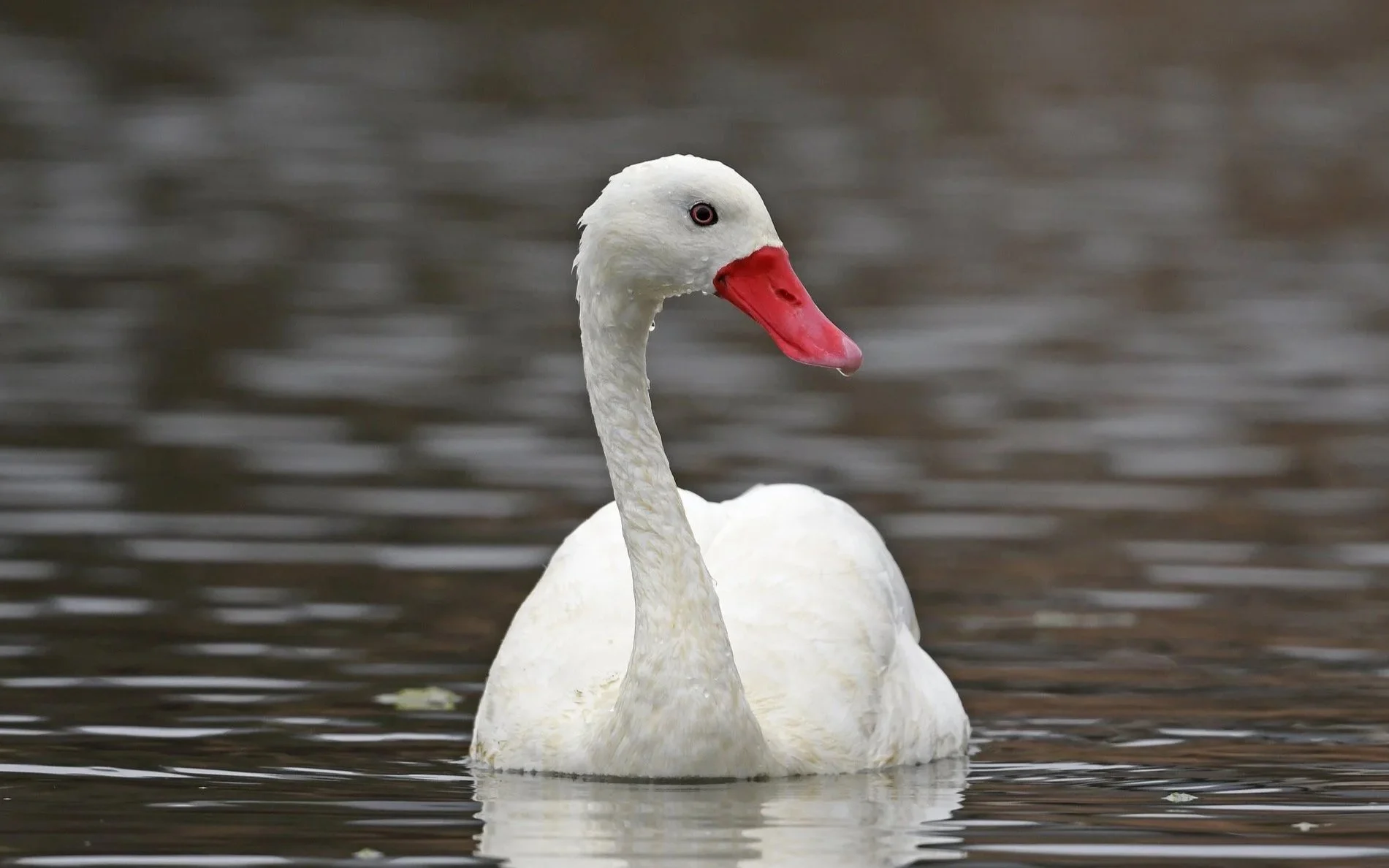
COSCOROBA SWAN
(Coscoroba coscoroba)
FACT OR FICTION?
-
FICTION. Many swans are quite vocal, with species like the Whooper Swan and Trumpeter Swan known for their loud, resonant calls.
-
FACT (mostly.) In many species, males (cobs) are slightly larger than females (pens), but the difference can be subtle and varies by species.
-
FICTION. Almost all swans are wild species; even Mute Swans kept on ornamental ponds are still wild by species and behavior.
-
FACT. Most swan species form long-term pair bonds, often staying together year after year.
-
FICTION. Baby swans are called cygnets, not swanlets. They are covered in soft down and stay close to their parents for protection and learning to swim.
-
FACT. Especially during breeding season, swans defend their nests and young vigorously, sometimes even chasing away larger animals.
-
FACT: With strong pair bonds, good habitat, and few predators, swans can have long lifespans, sometimes exceeding 30 years.
WHY SWANS MATTER.
Swans help maintain healthy wetlands by grazing aquatic vegetation, which can prevent overgrowth and improve water flow. Their feeding activity stirs sediment, redistributing nutrients within aquatic systems. As large, visible birds, they serve as indicators of wetland health and are often central to conservation efforts.
The recovery of the Trumpeter Swan in North America stands as a conservation success story, demonstrating how habitat protection and responsible wildlife management can restore species once pushed to the brink.