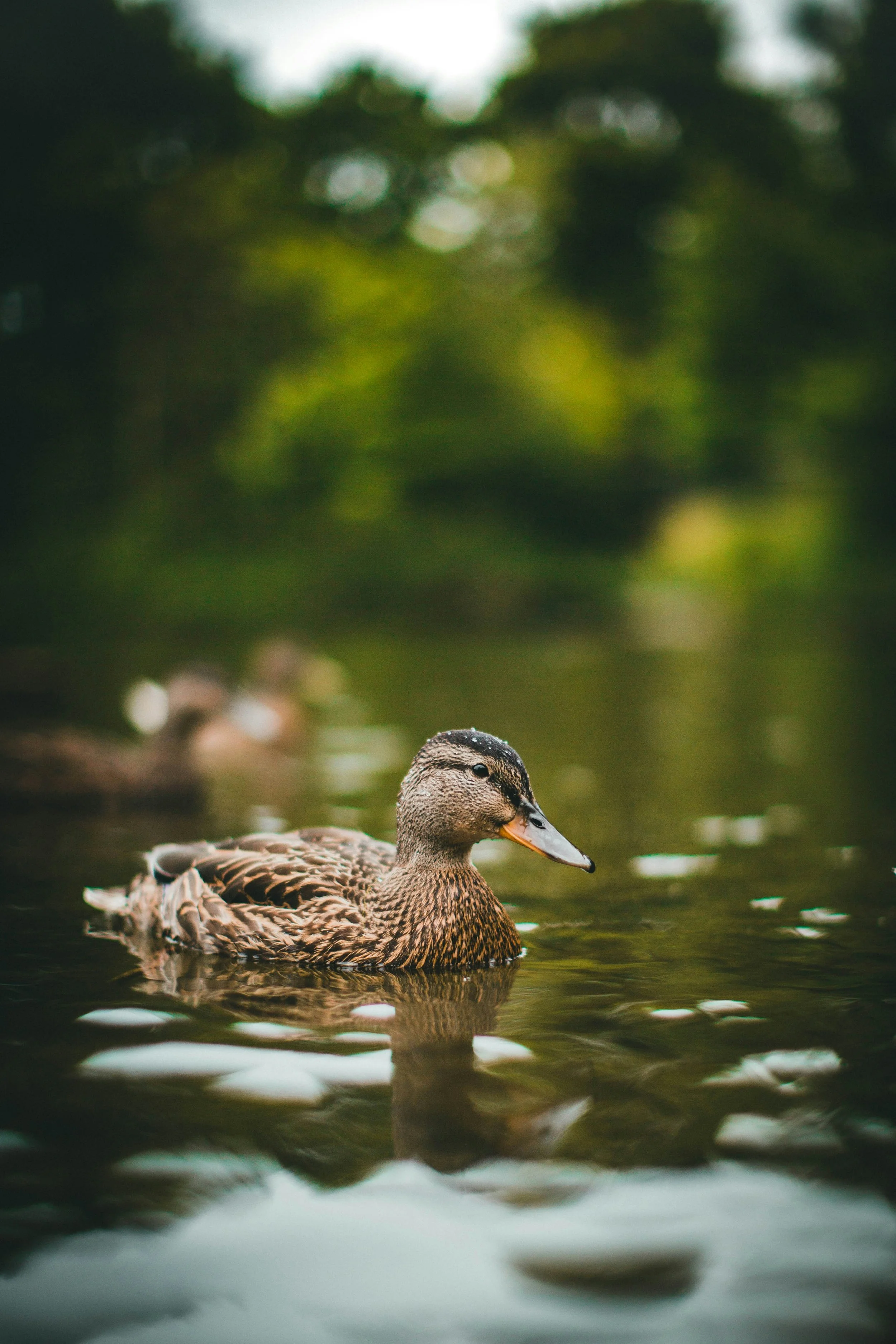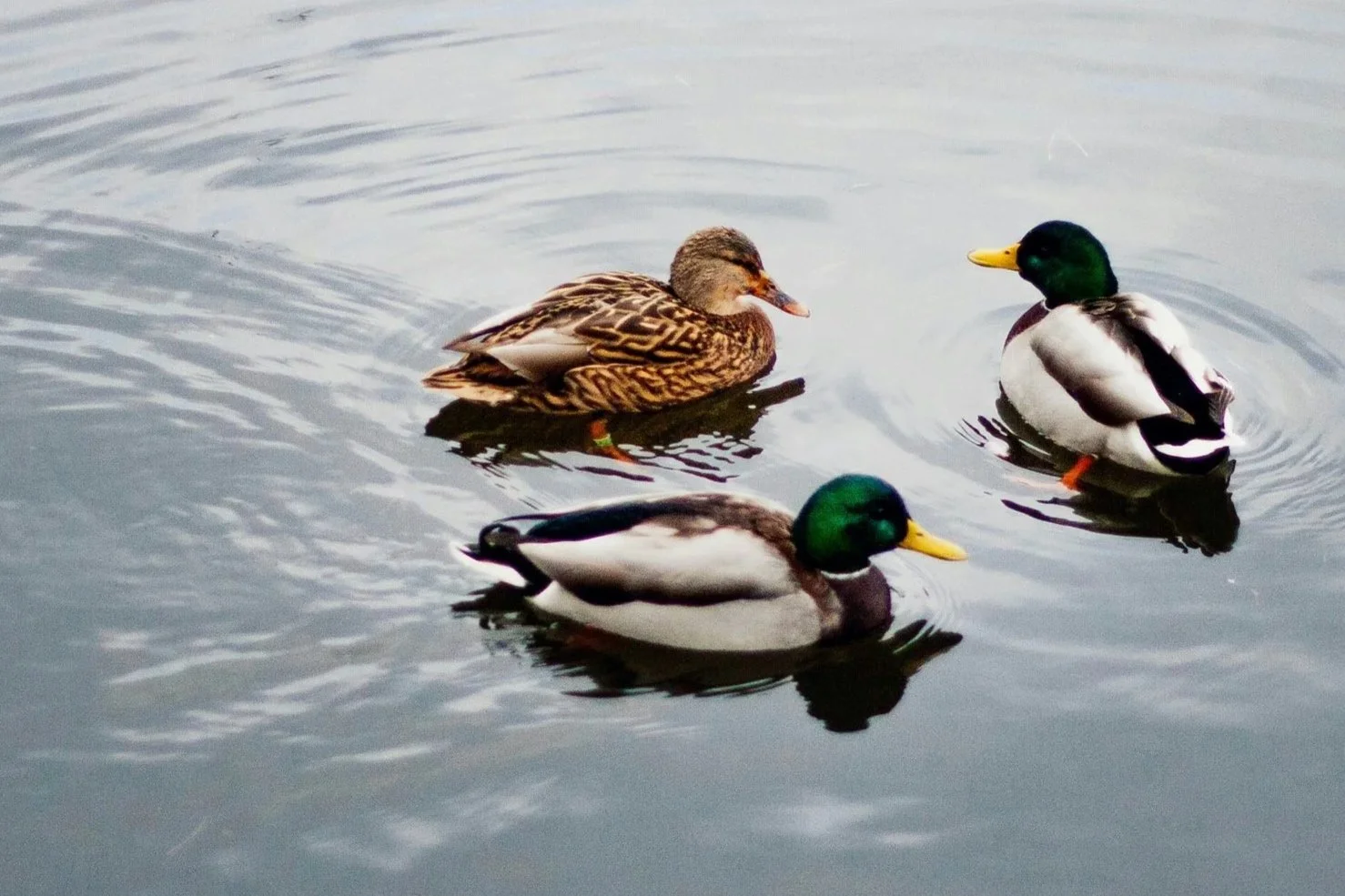
Wild ducks are diverse, adaptable waterfowl found across freshwater lakes, rivers, wetlands, and coastal areas worldwide. Known for their vibrant plumage, dabbling and diving behaviors, and strong migratory instincts, ducks are key players in wetland ecosystems. They control insect populations, disperse seeds, and provide food for predators, making them an important link in the food web.
FEATHERED FOWL
COMMON WILD DUCKS
Wild ducks are among the most familiar and diverse waterfowl found across North America and beyond. From quiet marshes and wooded swamps to open lakes and coastal estuaries, these adaptable birds thrive in a wide range of wetland habitats. Some species dabble at the water’s surface, while others dive beneath it in search of food — but all play an important role in maintaining healthy aquatic ecosystems. Below are some of the most commonly recognized wild duck species.
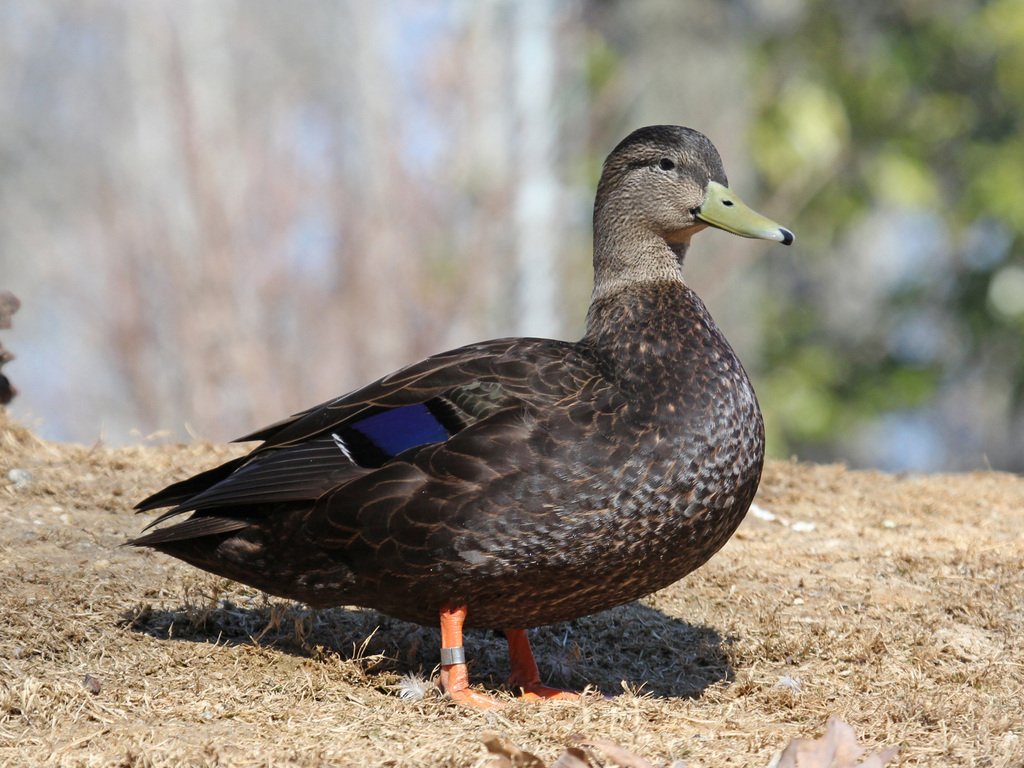
AMERICAN BLACK DUCK
(Anas rubripes)
A dark, robust duck native to eastern North America. Similar in shape to mallards, but darker and less colorful. Prefers wetlands, rivers, and estuaries.
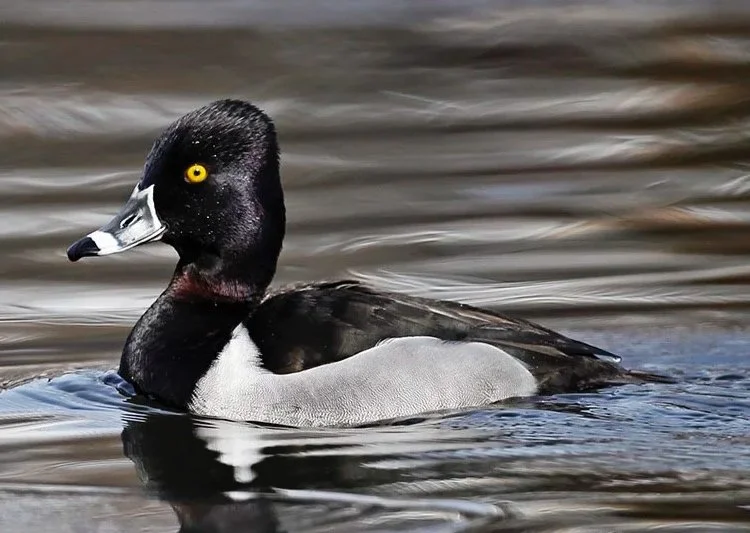
RING NECKED DUCK
(Aythya collaris)
A medium-sized diving duck with a dark head and a subtle chestnut ring around its neck. Males have striking black-and-white patterns; females are gray-brown. They feed by diving for seeds, aquatic plants, and invertebrates.
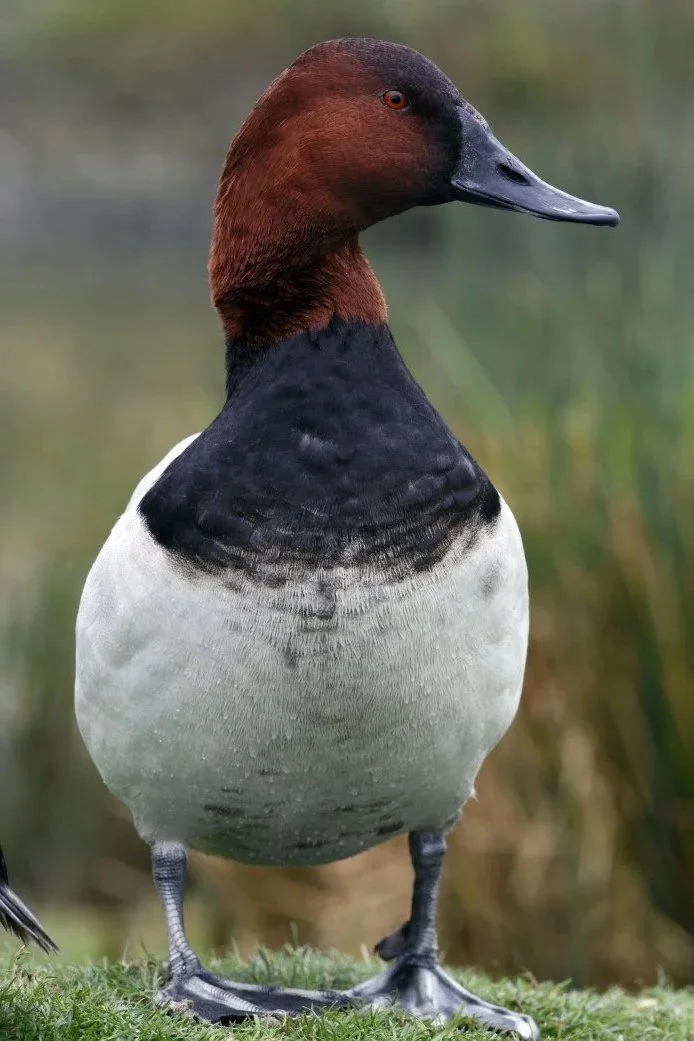
CANVASBACK DUCK
(Aythya valisineria)
A diving duck with a sloping profile and bright red eyes. Males have chestnut heads and black chests; females are pale brown. They feed primarily on aquatic plants and seeds.
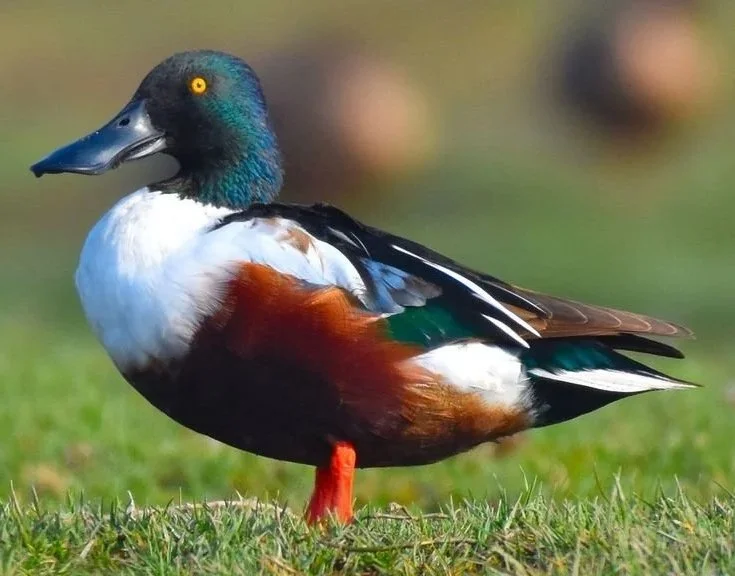
NORTHERN SHOVELER
(Anas clypeata)
Recognizable by its large, spatula-shaped bill. Males have vivid green heads and white chests; females are brown. They feed by skimming water for small invertebrates and plant matter.
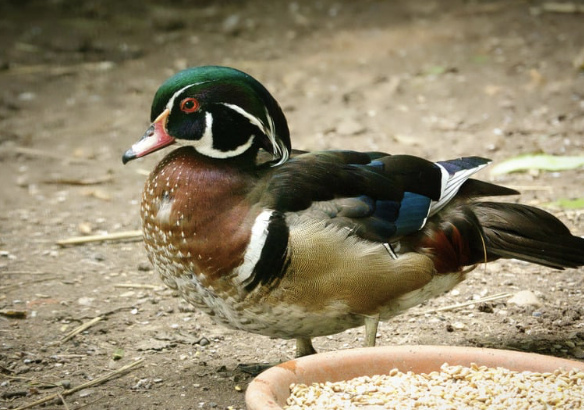
WOOD DUCK
(Aix sponsa)
A colorful North American duck with distinctive crests and bright patterns. Wood Ducks nest in tree cavities and are known for their striking plumage and agility in flight.
Recognized by the white patch at the base of its bill and dark belly markings. Breeds in tundra regions and winters in agricultural fields and wetlands.
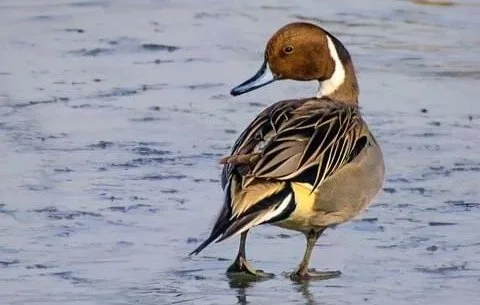
NORTHERN PINTAIL
(Anas acuta)
A medium dabbling duck with a patterned gray-brown body and black rear end. Males have subtle black and white wing patterns; females are mottled brown. Gadwalls prefer shallow wetlands and feed mainly on aquatic vegetation.
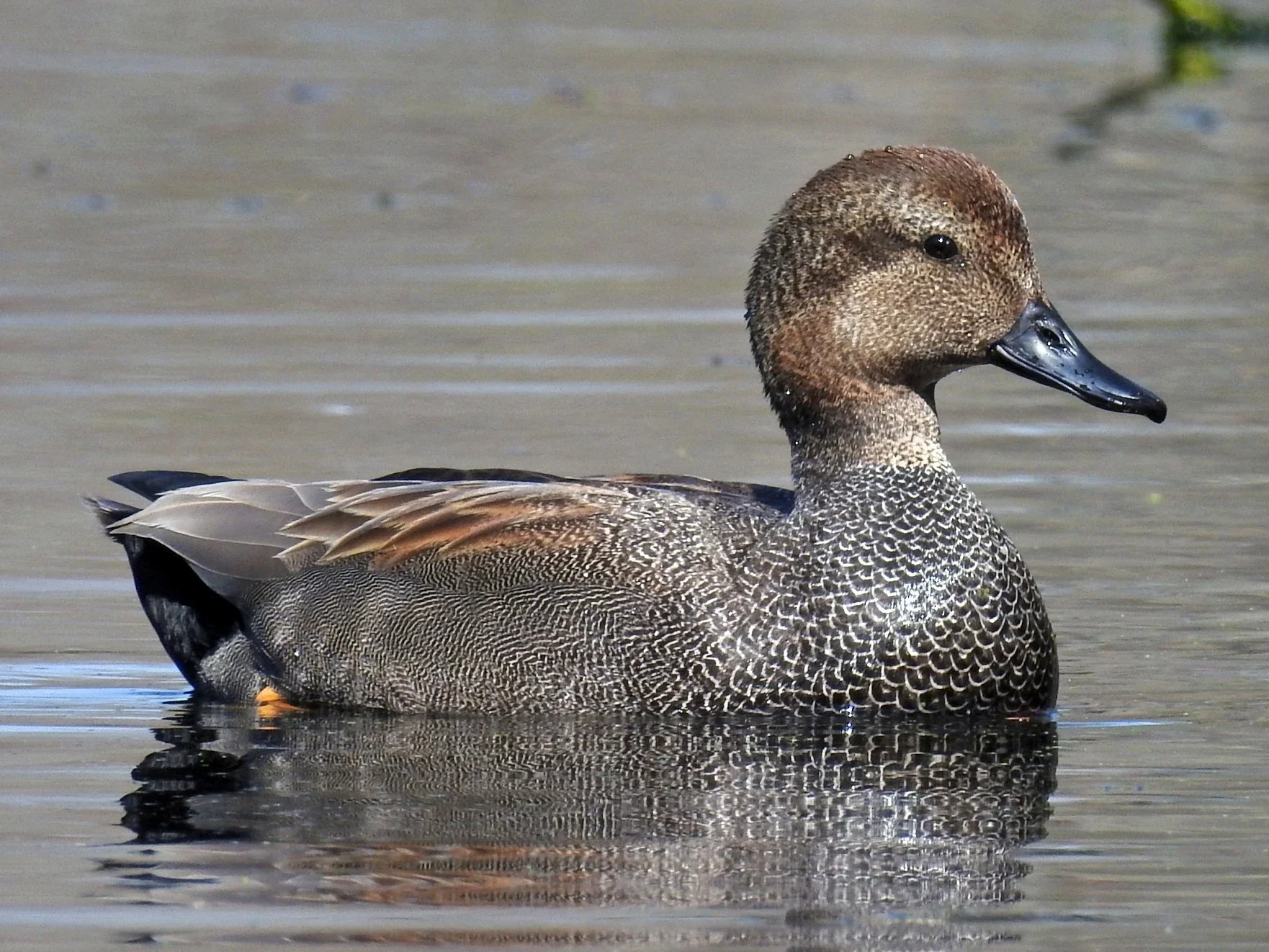
GADWALL DUCK
(Anas strepera)
The most widespread duck in the Northern Hemisphere. Males have iridescent green heads and bright orange bills; females are mottled brown for camouflage. Mallards are highly adaptable and the ancestor of most domestic duck breeds.
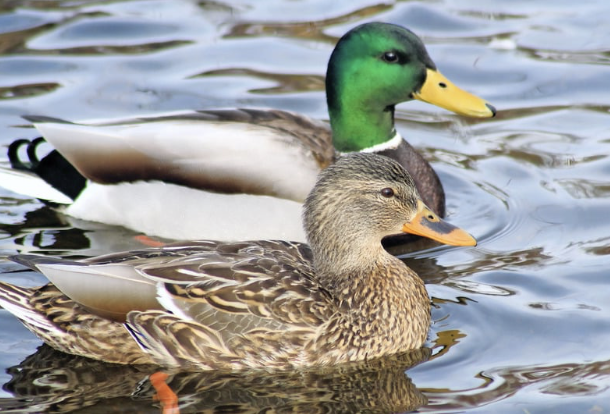
MALLARD DUCK
(Anas platyrhynchos)
FACT OR FICTION?
-
FICTION. Some duck populations, especially in mild climates, stay year-round near reliable water sources.
-
FACT. Domesticated breeds like Pekins and Rouens are descended from mallards.
-
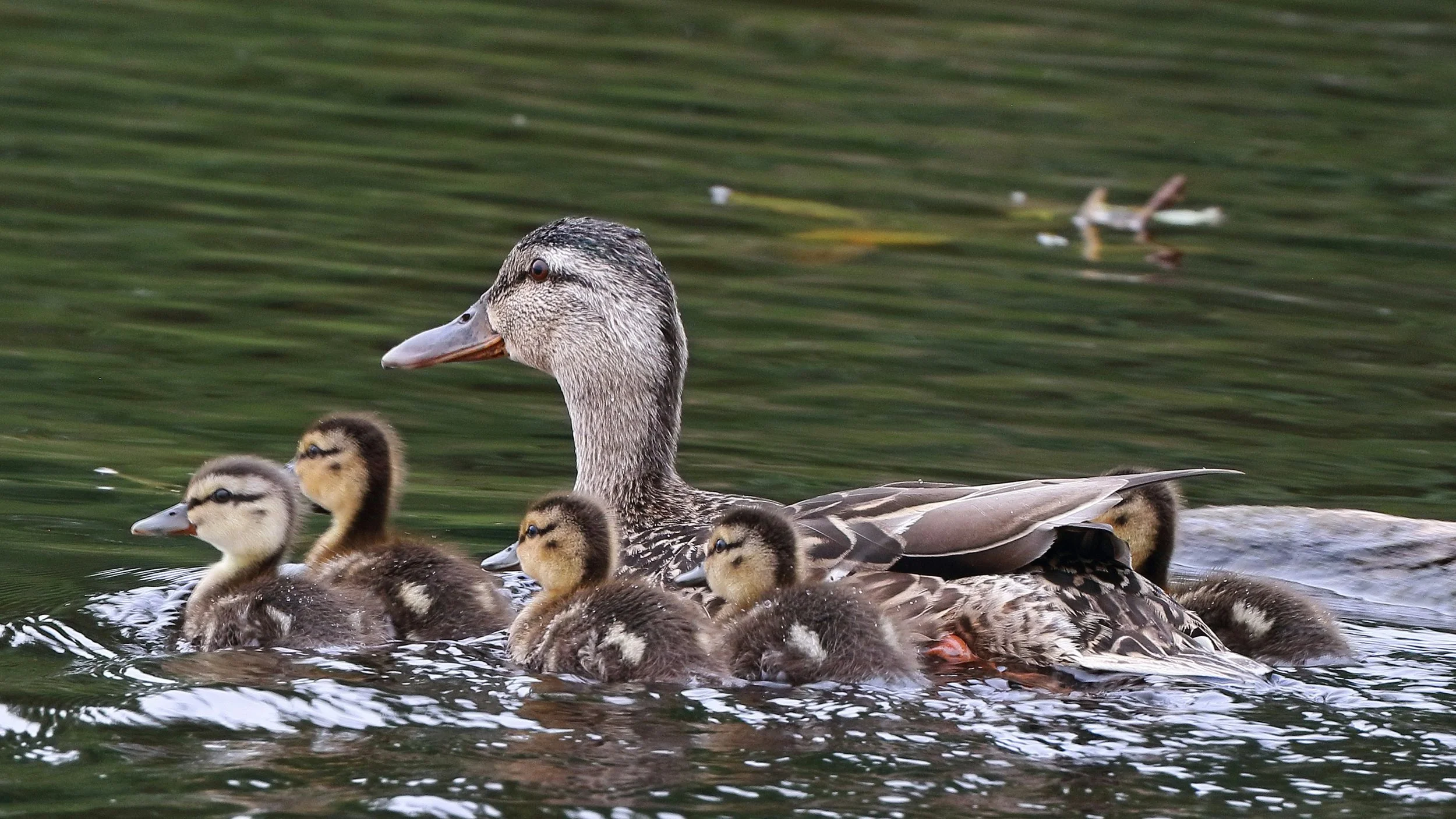
FACT. Up to 70–80% of ducklings may not survive their first few weeks due to predators, weather, and habitat challenges.
-
FICTION. Unlike geese, ducks form seasonal pair bonds rather than lifelong relationships.
-
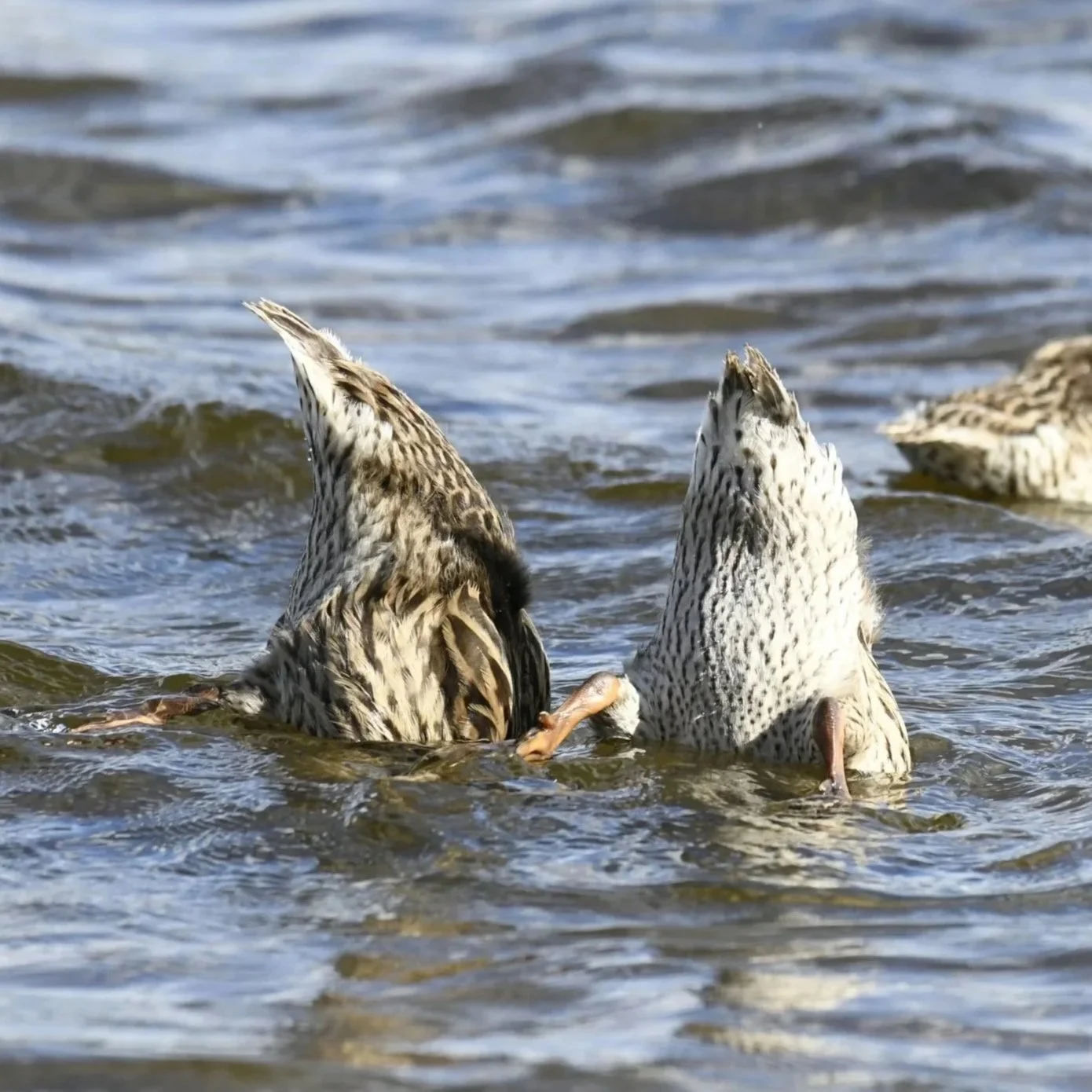
FACT. This feeding style distinguishes dabblers from diving ducks, which go completely underwater for food.
-
FACT: In many dabbling duck species — especially the Mallard — males have one or more upward-curled “drake feathers” on their tails, while females do not.
WHY WILD DUCKS MATTER.
Wild ducks maintain healthy wetlands by grazing aquatic plants, controlling insects, and dispersing seeds. Their presence indicates vibrant ecosystems, and they support predators like foxes, raccoons, and raptors. Migratory ducks connect habitats across continents, linking North America, Europe, and Asia through seasonal journeys. Conserving wild duck populations protects biodiversity, water quality, and the intricate balance of wetland environments.