FORMIDABLE FLOCK
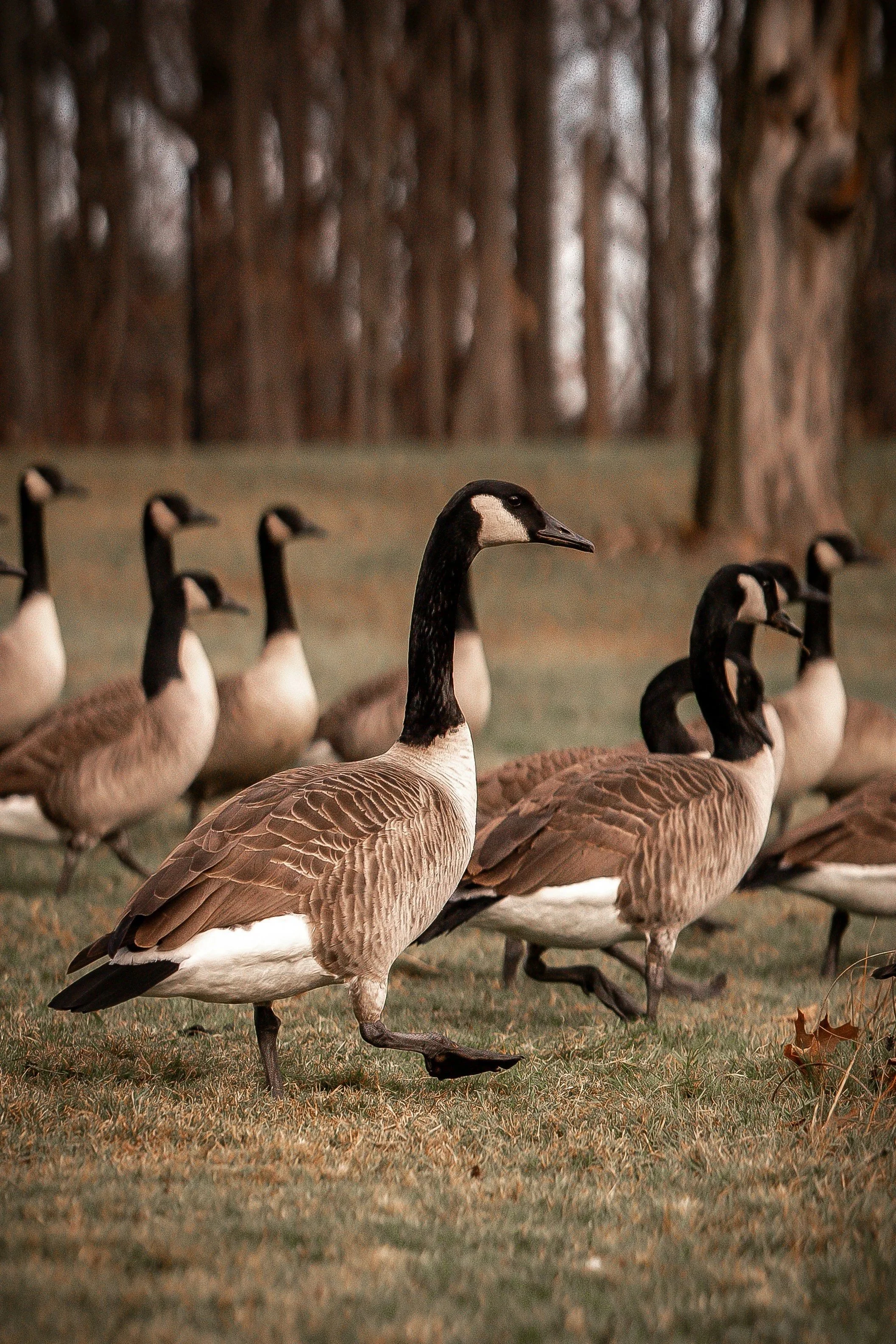
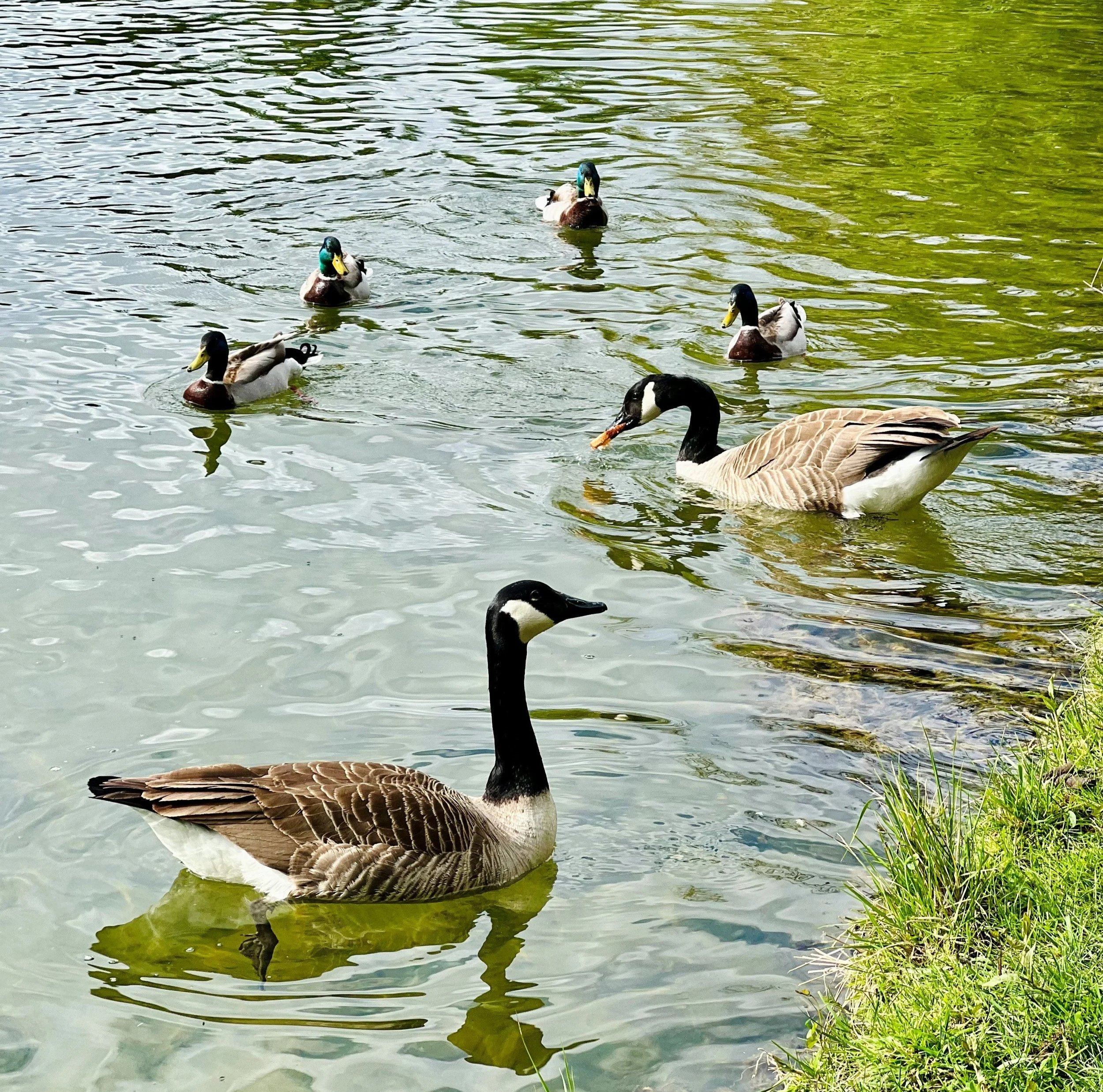
Large, social waterfowl, wild geese are familiar across North America. Known for their honking calls, strong migratory flights, and family bonds, they thrive in wetlands, fields, and even urban parks. Whether grazing on grass or flying in their iconic “V” formations, wild geese are a vital part of healthy ecosystems.
COMMON WILD GEESE
Wild geese span continents, climates, and cultures. From Arctic tundra to coastal marshes, these strong migratory birds play vital ecological roles and have shaped human history for thousands of years. Many of the geese we recognize on farms today actually trace their roots back to wild ancestors.
For example, the Swan Goose is a wild Asian species and the ancestor of domestic breeds such as the Chinese Goose and African Goose. Meanwhile, most European domestic breeds descend from the Greylag Goose, a widespread wild goose still found across Europe and parts of Asia.
Understanding these wild origins helps clarify an important distinction: while many geese live comfortably alongside people, their lineage begins in migratory, free-ranging species shaped by wind, water, and long seasonal journeys.
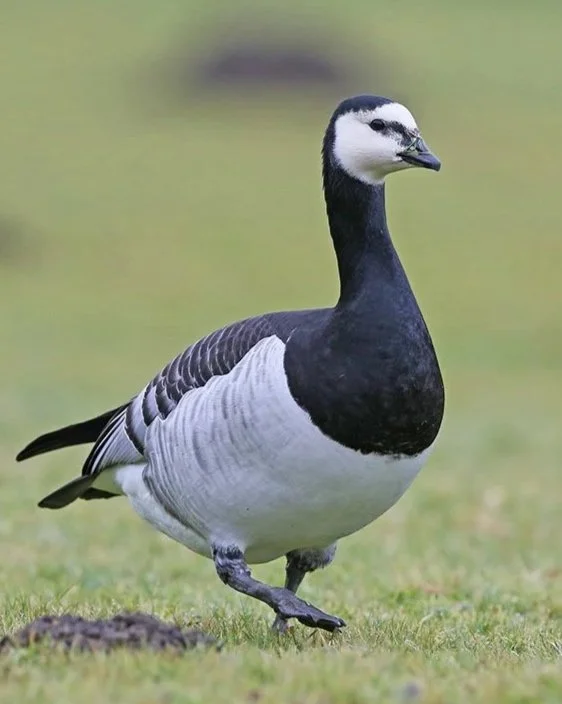
BARNACLE GOOSE
(Branta leucopsis)
A medium-sized black-and-white goose with a black neck and white face. Native to the Arctic, it breeds in Greenland, Svalbard, and Russia, and forms large, social flocks in coastal and wetland areas during migration.
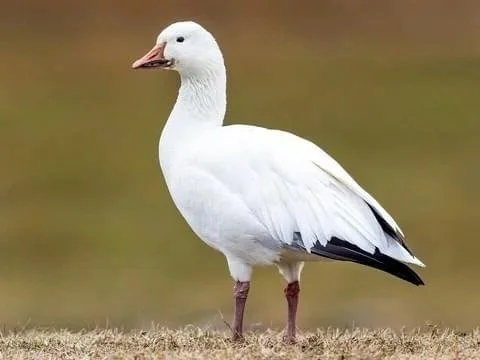
SNOW GOOSE
(Anser caerulescens)
Medium to large white goose with black wingtips; some populations have a “blue morph” with grayish-brown plumage. They breed in the Arctic and winter in southern U.S. fields and wetlands.
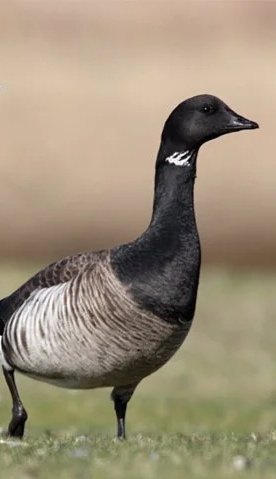
BRANT GOOSE
(Branta bernicla)
Small, dark-bodied goose with a short neck and pale markings on the throat. Found along coastal areas during migration and winter, feeding mainly on eelgrass.
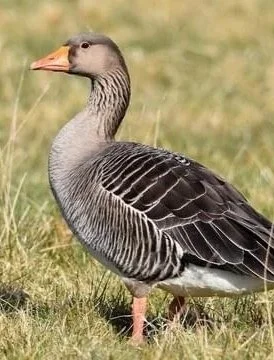
GREYLAG GOOSE
(Anser anser)
A large, gray-brown goose with a pale belly and orange beak and legs. Native to Europe and Asia, it has been introduced to parts of North America and is often seen in flocks grazing fields and wetlands.
The most widespread North American goose, with a black head and neck, white chinstrap, and brown body. Found in wetlands, fields, and urban areas, they are highly adaptable and often stay year-round in some regions.
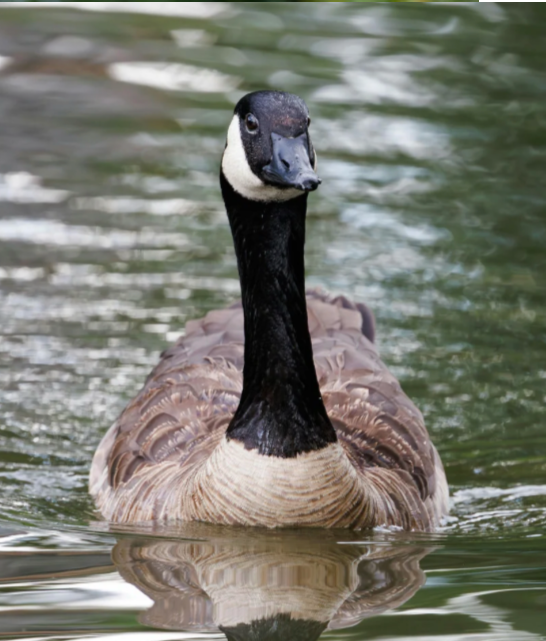
CANADA GOOSE
(Branta canadensis)
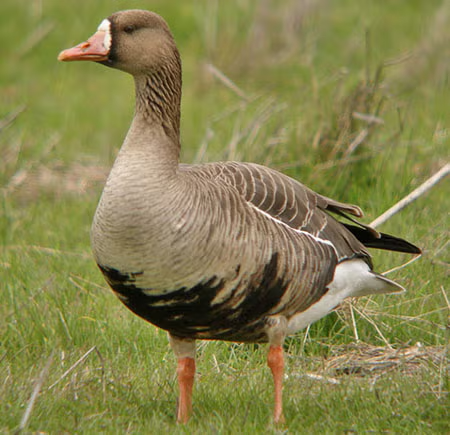
(Anser albifrons)
GREATER WHITE-FRONTED GOOSE
Medium-sized gray-brown goose with a white patch at the base of the bill and black barring on the belly. Found in wetlands, fields, and marshes across North America.
Smaller and stockier than the Canada goose, with a short neck and rounder head. Found mostly in northern tundra and Arctic breeding grounds, they migrate south in winter.
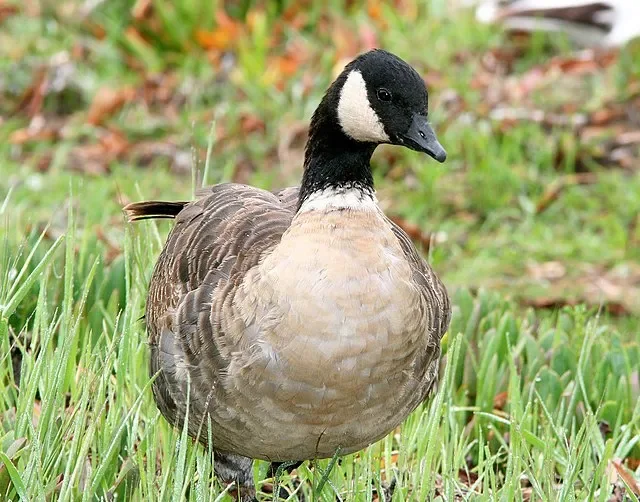
CACKLING GOOSE
(Branta hutchinsii)
A large, long-necked goose with a brown body, pale belly, and distinctive black stripe from head to neck. Native to Asia, it has been introduced in some regions and is often seen in wetlands and ponds. Swan geese are social and typically found in flocks.
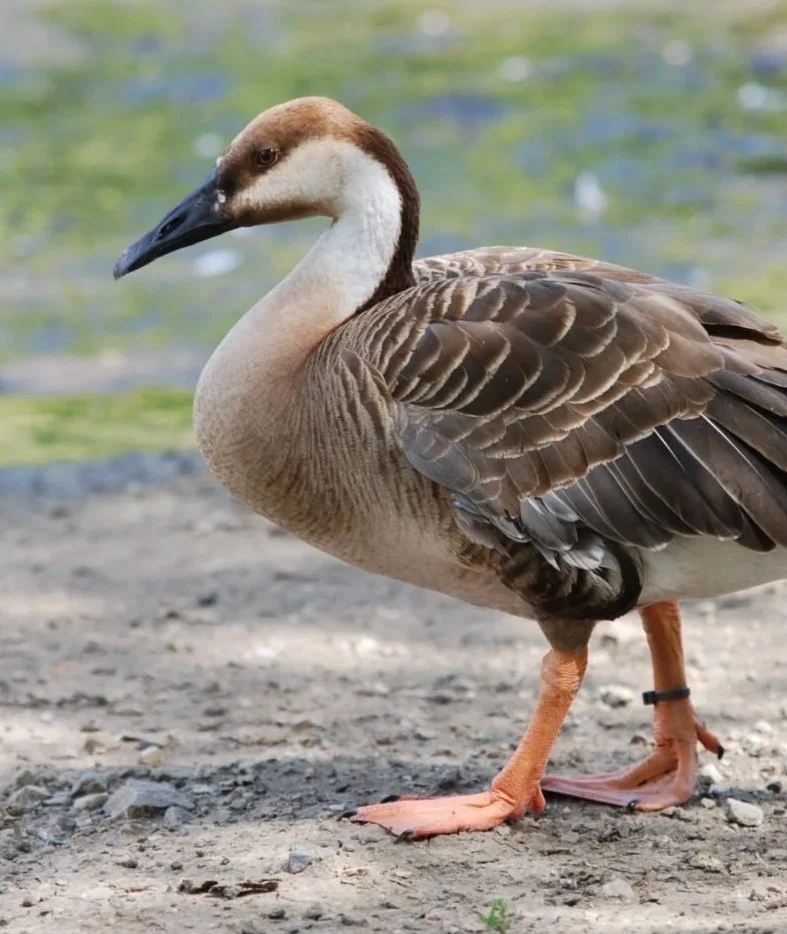
SWAN GOOSE
(Anser cygnoides)
FACT OR FICTION?
-
FICTION. Some populations, like many Canada geese, now remain year-round in areas with abundant food and open water.
-
FICTION (mostly.) Geese can be protective near nests but generally avoid people; most interactions are harmless.
-
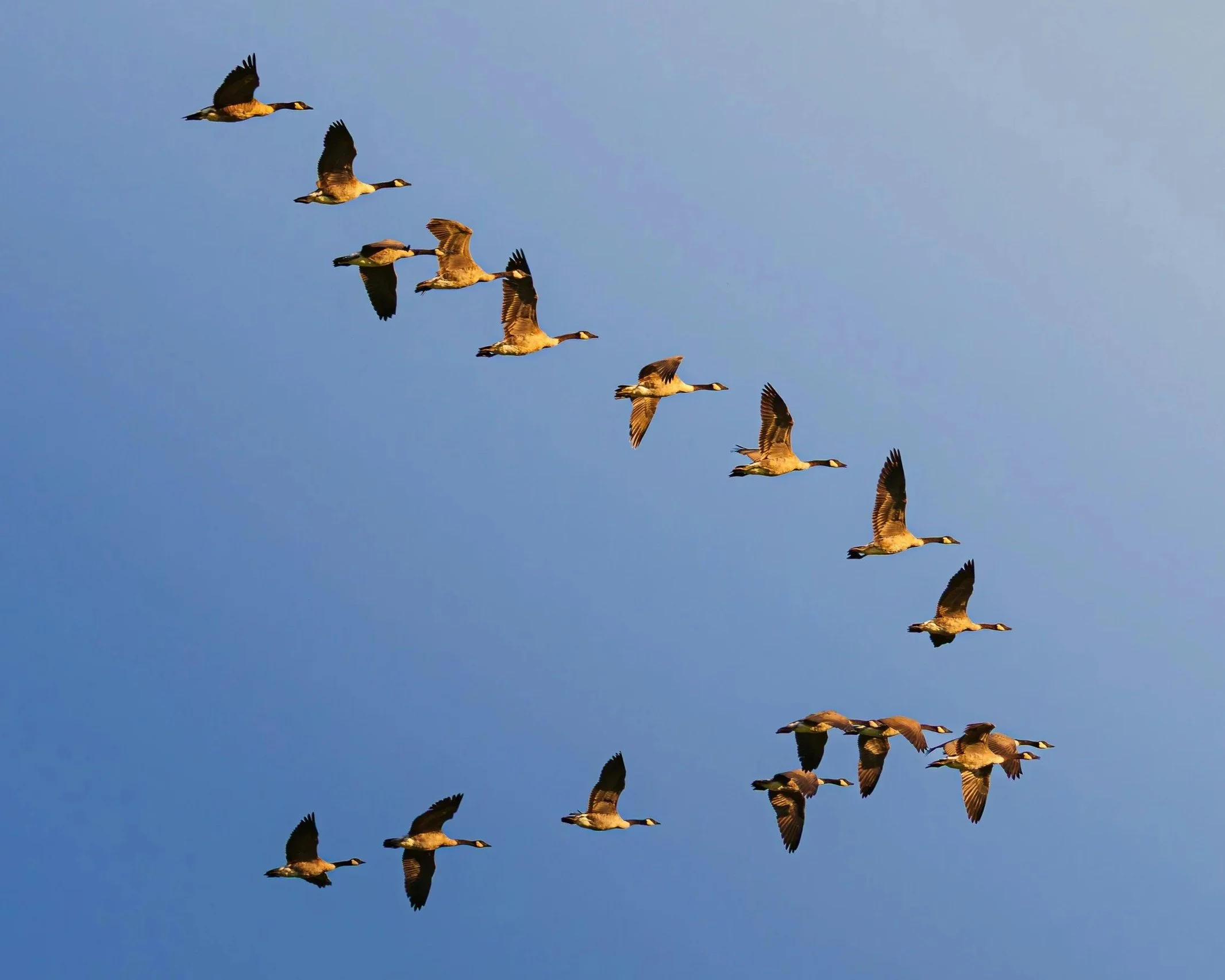
FICTION. While “V” formations are common for energy conservation and navigation, geese may fly in lines or clusters depending on conditions.
-
FACT. Once overhunted and declining, regulated protection and habitat management allowed their populations to rebound dramatically.
-
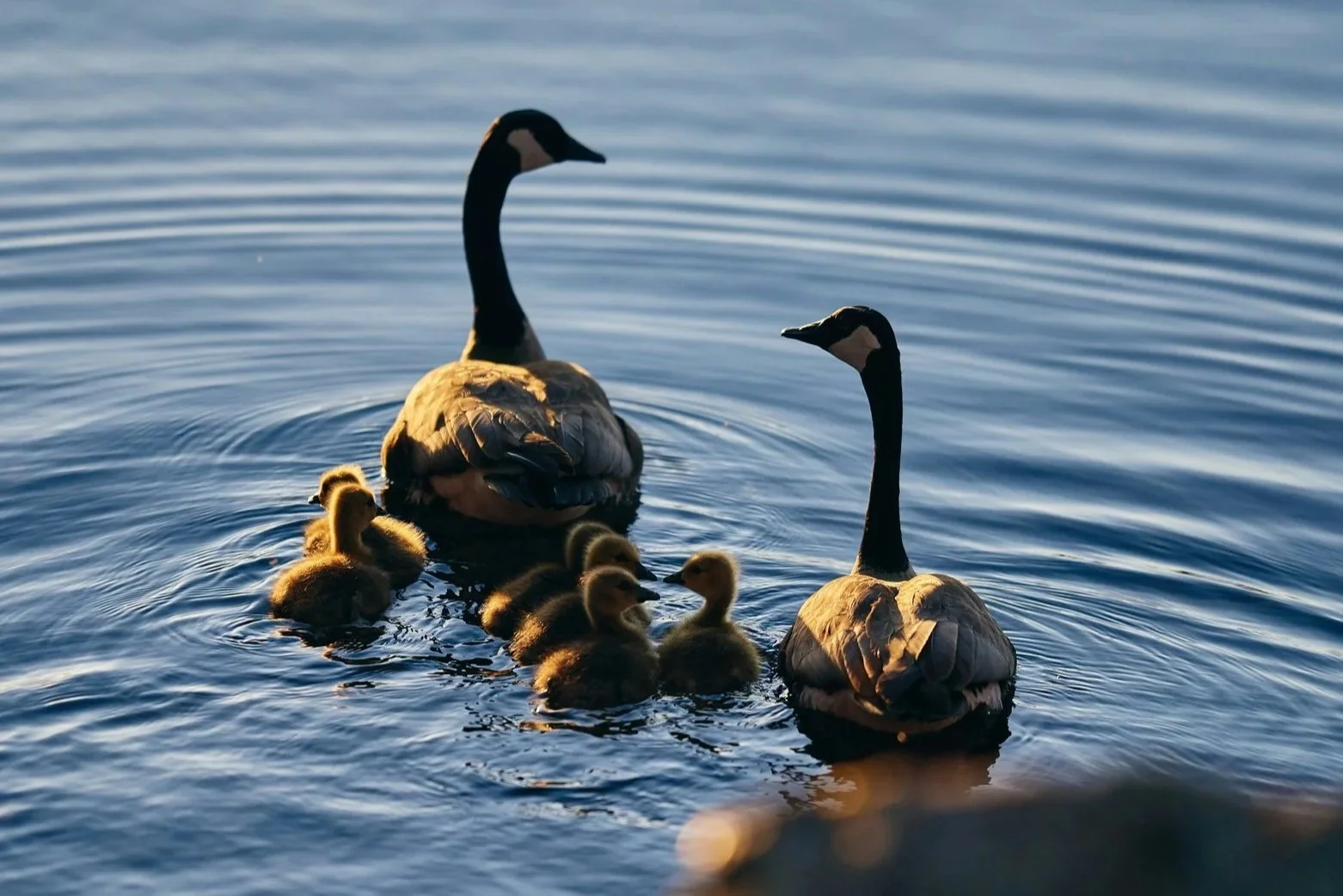
FACT: Strong parental care and protective behaviors help more Canada Goose goslings survive their first year compared with most other wild goose species.
WHY EDUCATION MATTERS.
Wild geese play a vital role in ecosystems by grazing on vegetation, dispersing seeds, and providing food for predators like foxes, raccoons, and birds of prey. Their feeding and movement help maintain healthy wetlands, fields, and grasslands, while their migratory patterns support nutrient cycling across regions. Even their social behavior contributes to the balance and resilience of the habitats they inhabit.