small but miGHTY
Tiny but full of personality, wrens and kinglets are energetic, curious, and endlessly charming. From their quick movements to their cheerful songs, these small birds bring delight to any backyard or forest edge. While often easy to overlook due to their size, their boldness and vocal nature make them memorable companions of the wild.
COMMON species
Wild ducks are among the most familiar and diverse waterfowl found across North America and beyond. From quiet marshes and wooded swamps to open lakes and coastal estuaries, these adaptable birds thrive in a wide range of wetland habitats. Some species dabble at the water’s surface, while others dive beneath it in search of food — but all play an important role in maintaining healthy aquatic ecosystems. Below are some of the most commonly recognized wild duck species.
A slender, lively wren with a tail that wags constantly. Its cheerful, complex song is a delight to hear. Native to the western U.S. and Mexico, it loves brushy habitats, thickets, and backyard gardens.
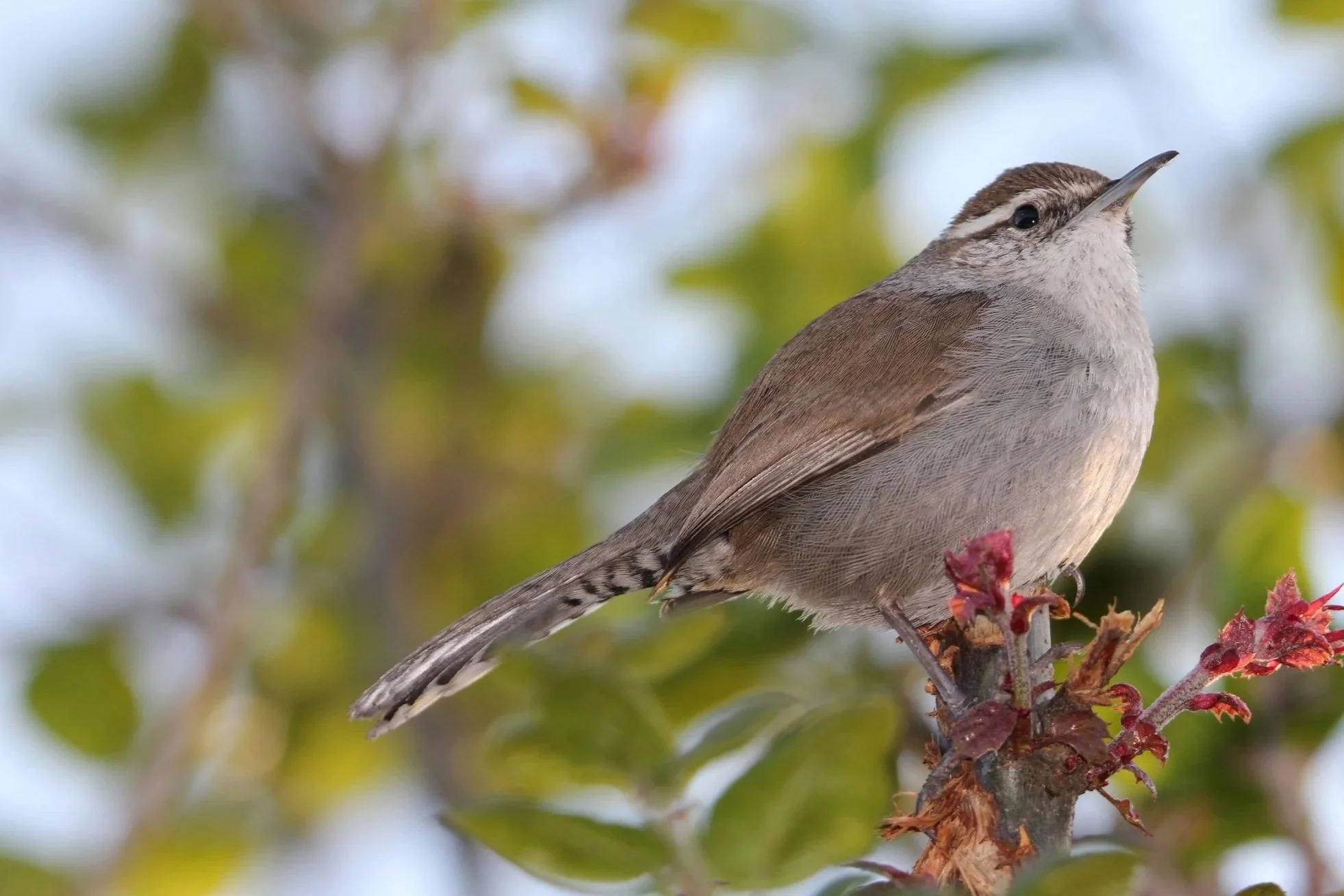
BEWICK’S WREN
(Thryomanes bewickii)
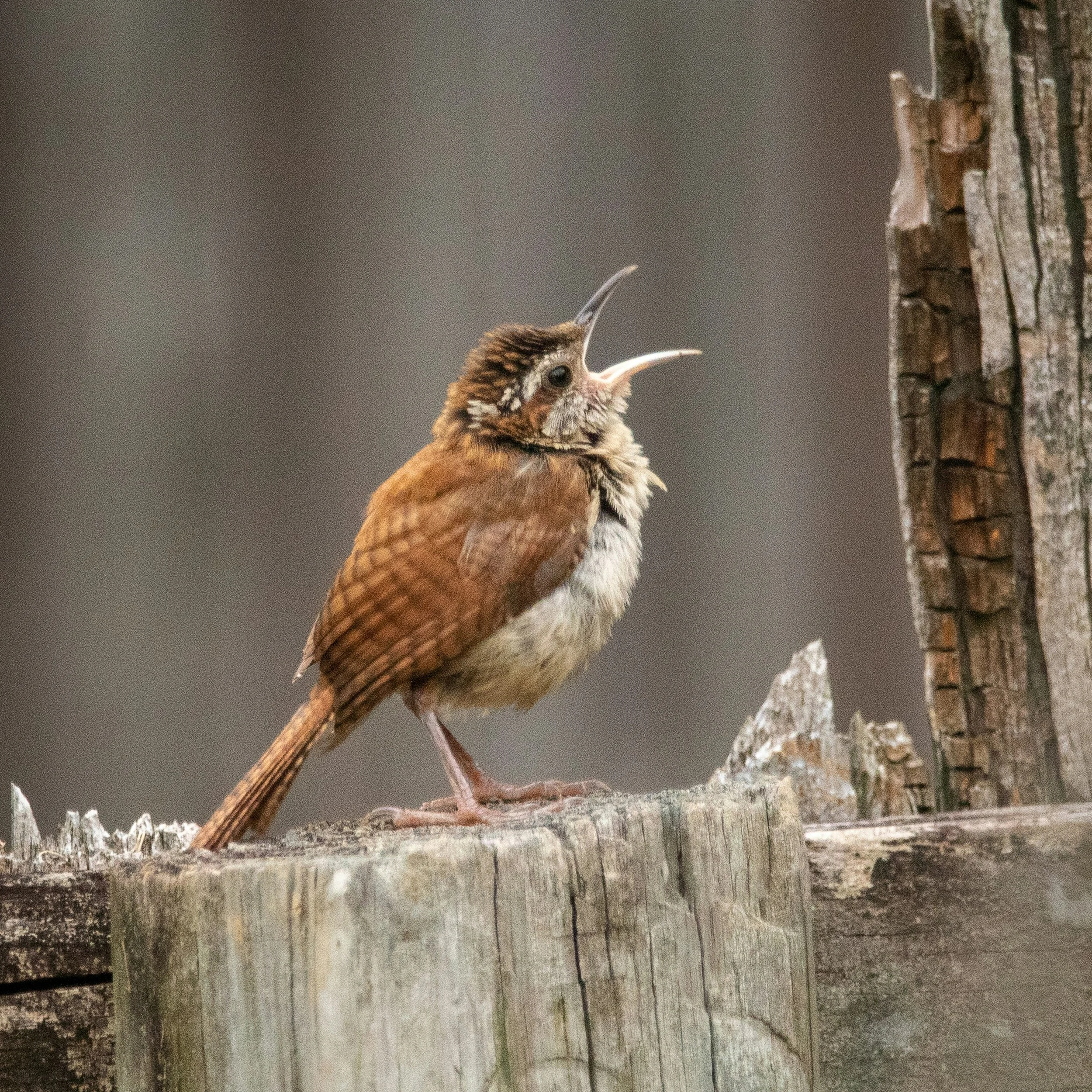
Warm reddish-brown with a bright white eyebrow stripe, this wren is bold and curious. Found in the eastern U.S., it happily explores feeders, porches, and gardens, singing loudly all year round.
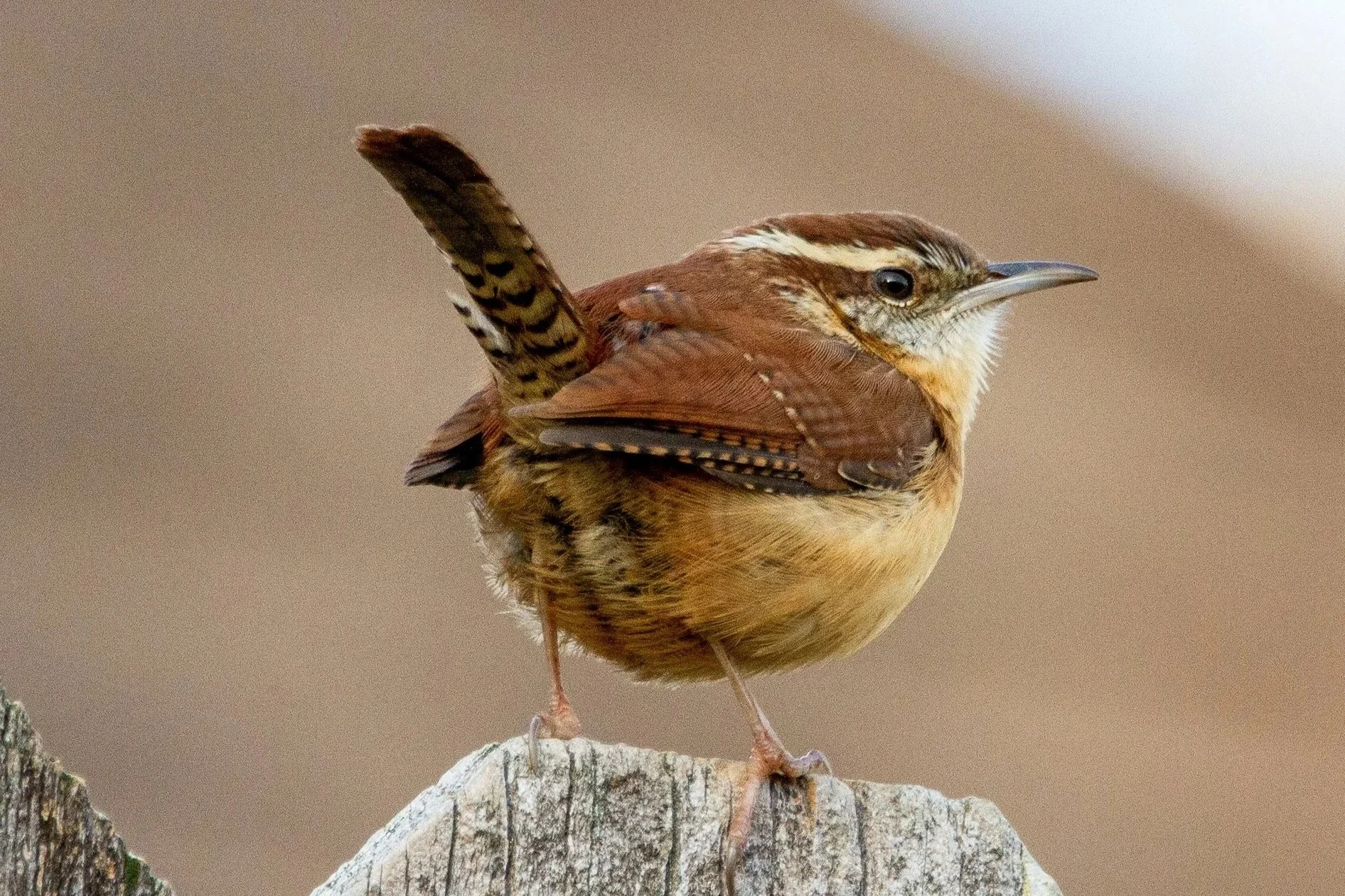
CAROLINA WREN
(Thryothorus ludovicianus)
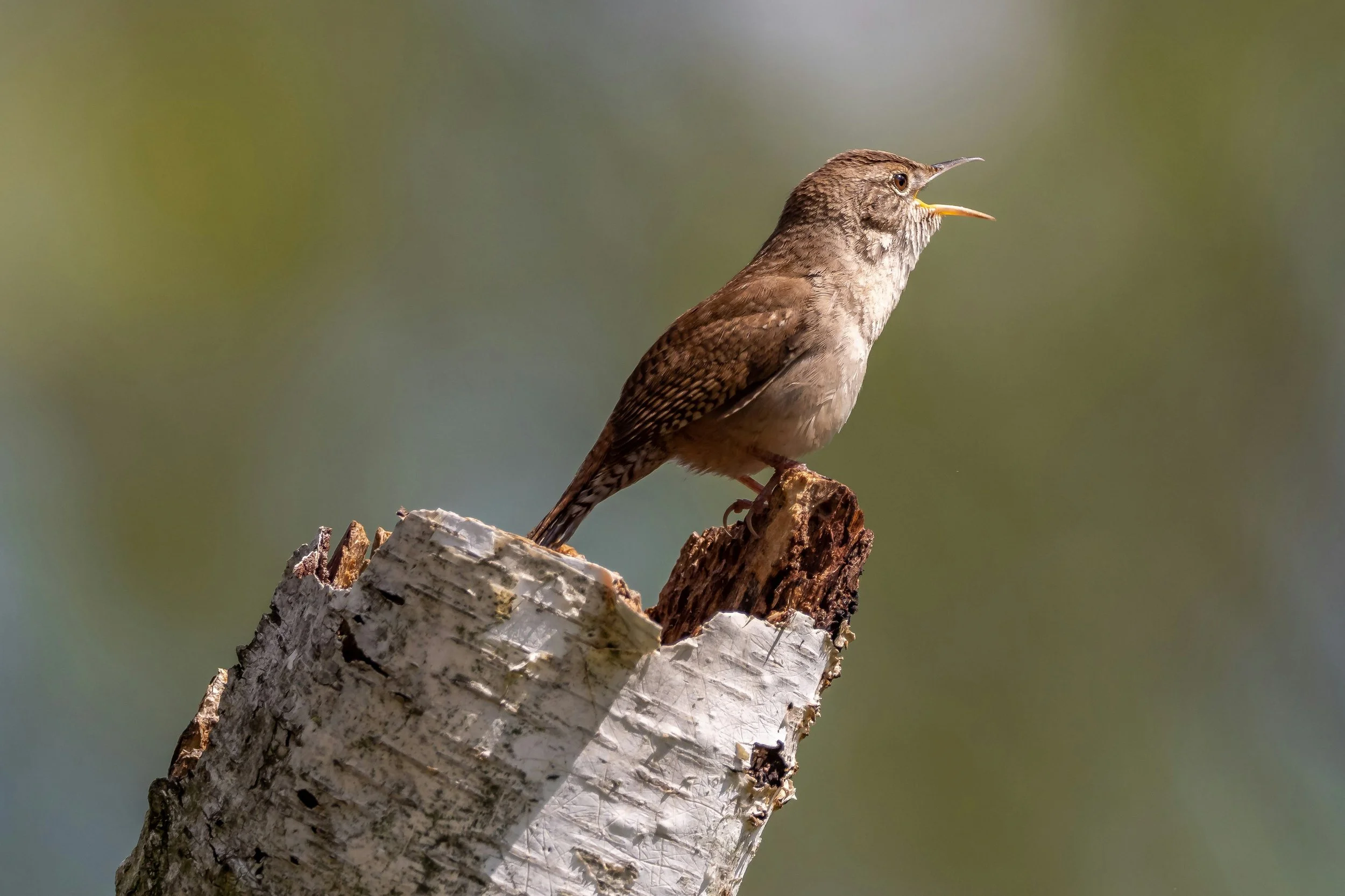
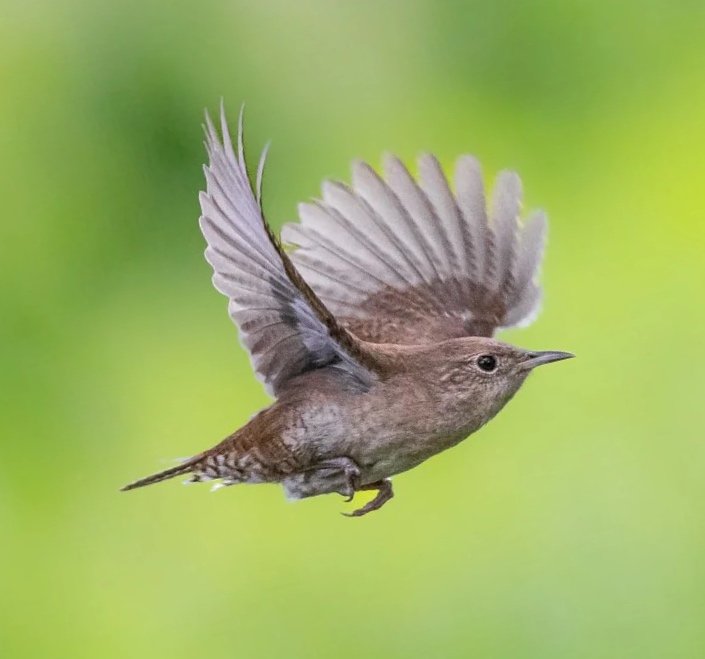
Small, brown, and full of energy, House Wrens are fearless little explorers. Native throughout North and South America, they love shrubs, dense gardens, and nest boxes. Their bubbly songs brighten any backyard.
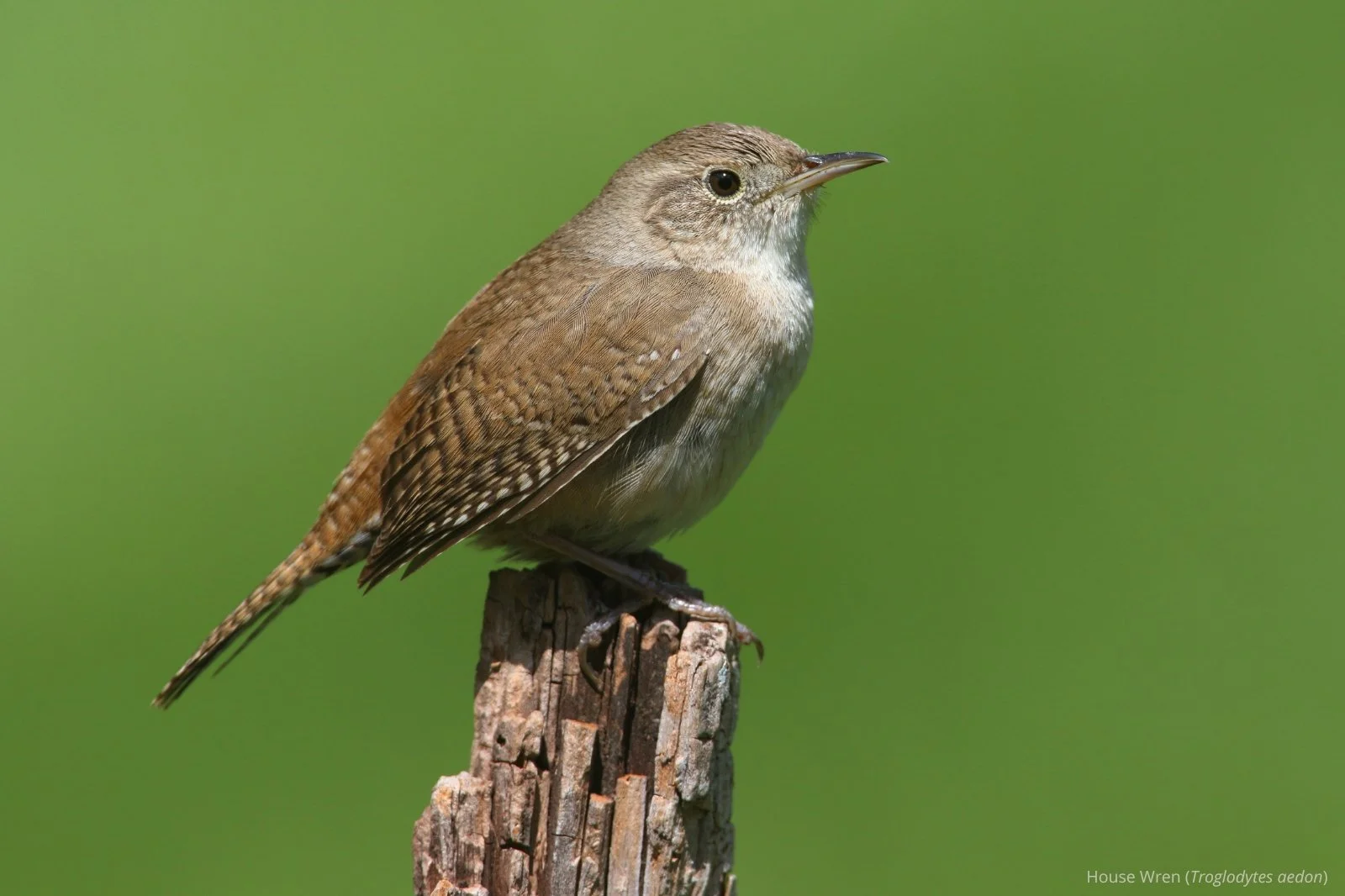
HOUSE WREN
(Troglodytes aedon)
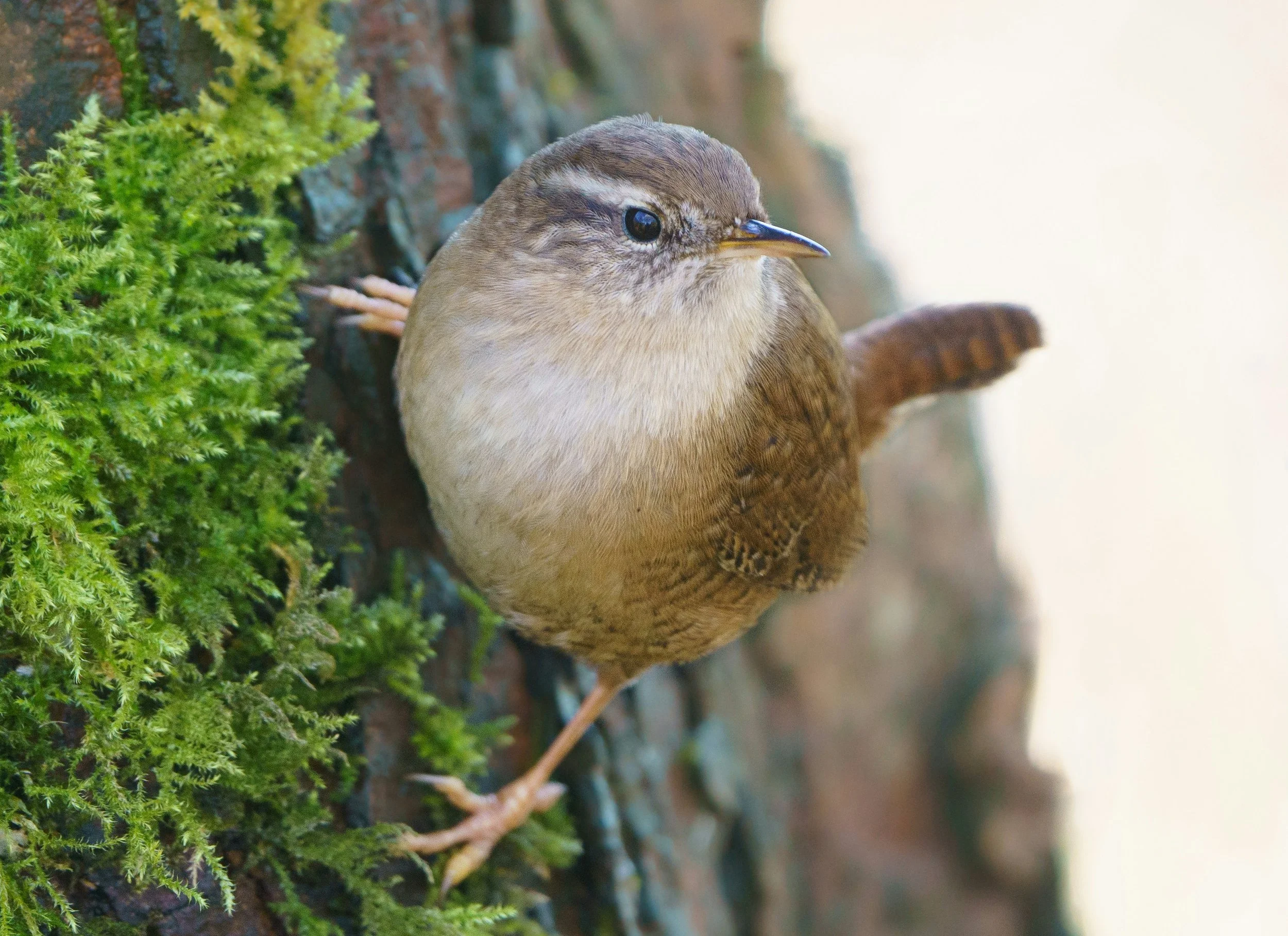
The tiniest North American wren, often heard more than seen. Its delicate, bubbly song drifts through damp forests in the northern U.S. and Canada. They move quickly through underbrush, always on the lookout for insects.
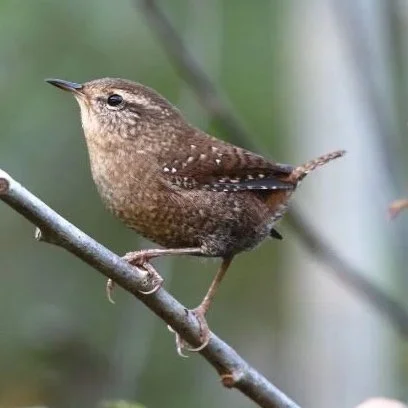
WINTER WREN
(Troglodytes hiemalis)
Tiny and energetic with a striking gold-and-black crown. Native across northern North America, these kinglets flit through conifer forests in busy flocks, always alert and on the move.
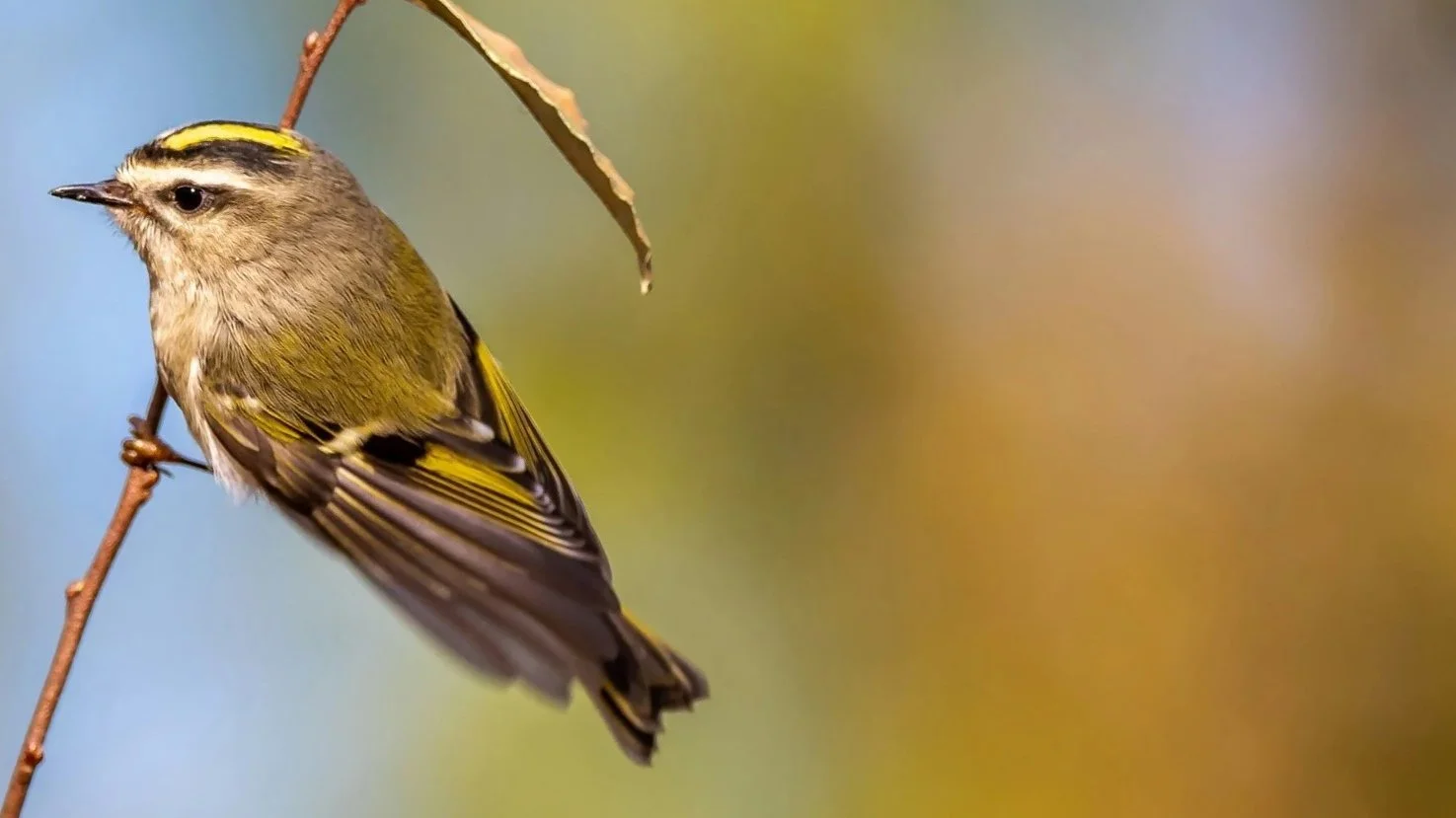
GOLDEN CROWNED KINGLET
(Regulus satrapa)
Small, hyperactive, and olive-green, with males sporting a hidden ruby crown. Found across much of North America, they travel in mixed flocks during migration, darting through trees and shrubs in search of insects.
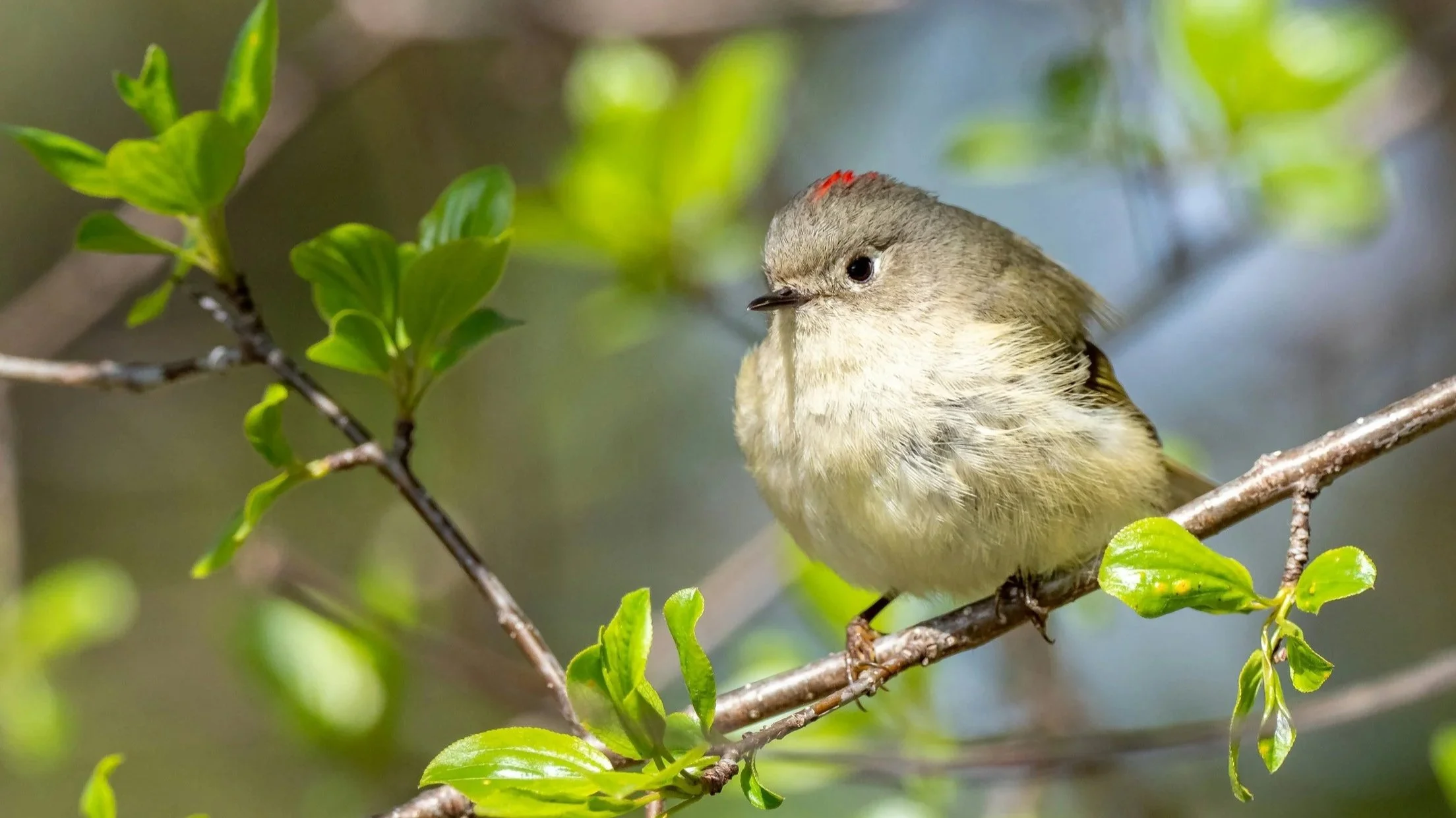
RUBY-CROWNED KINGLET
(Regulus calendula)
FACT OR FICTION?
-
FACT. Small but fearless, wrens will defend nests and territory against larger birds.
-
FICTION. Their tiny size and constant movement make them more often heard than seen.
-
FICTION. Most wrens are brown, but subtle patterns and markings differ by species.
-
FACT. Both Ruby-crowned and Golden-crowned Kinglets travel hundreds to thousands of miles each year.
WHY THESE BIRDS MATTER.
Wrens and kinglets are valuable friends to the ecosystems they inhabit. By eating insects and other small invertebrates, they help control pests and maintain healthy forests and gardens. Their songs signal thriving habitats, and watching their energetic movements offers a joyful glimpse into the tiny wonders of nature.